“Brightmont gave my daughter
confidence and helped her love learning
again.”
– Parent of 8th grader
400 E. Main St. Barrington, IL 60010
1-888-521-0887
inquiry@brightmontacademy.com
Anxiety among school-age children is on the rise, and roughly 30% of adolescents experience disordered anxiety. For many families, school anxiety can affect far more than grades. It can influence a student’s attendance, motivation, relationships, and overall well-being.
When anxiety begins interfering with school,
parents are often left wondering what to do next. Is the workload too demanding? Is the classroom environment contributing to the problem? Does my student need additional support?
Understanding how anxiety affects your child can help determine which change may make school more manageable. In this guide, we’ll cover the realities of school anxiety and provide tips to reduce stress and find the right learning environment that meets your student’s needs.
School anxiety does not look the same for every student. Some students may appear overwhelmed by their homework or place high pressure on themselves to do well. Perfectionism, academic burnout, or difficulty keeping up with assignments can all be signs that a student is struggling with anxiety.
As anxiety builds, students may begin missing deadlines, falling behind in core subjects, or seeing their grades slip. Furthermore, anxiety can also show up physically and behaviorally, such as trouble getting out of bed, physical symptoms before school, or school refusal. Socially, anxious students might struggle to fit in, leading them to withdraw or hide parts of themselves out of fear of judgment.
When a child is refusing to go to school, the first step is recognizing that something needs to change. Rather than viewing school refusal as a behavior that needs to be corrected, try to understand what is causing those emotions. You can help your child by creating a concrete plan around their needs to make up any missing credits and stay on track for graduation.
Breaking a seemingly overwhelming situation into smaller steps can make it feel more achievable. In more severe cases, the support of medical or therapeutic professionals may be needed, and it may also be worth considering whether a more flexible, personalized school environment would better fit your student’s needs.
Anxiety can make it significantly harder for students to focus, process information, remember what they have learned, and even keep track of tasks. When a student is overwhelmed, getting through the school day can take up most of their mental and emotional energy, leading to forgetfulness, missed assignments, and difficulty staying on top of deadlines.
The pressure to perform and the burden of missed deadlines profoundly impact a student’s experience. Over time, this can impact a student’s confidence and motivation. When stress is reduced and students begin to experience academic success again, they are often better able to rebuild confidence and make steady progress.
Yes! Alternative school environments can be highly effective for students dealing with severe anxiety. Large class sizes, frequent noise, peer interactions, and rigid timelines in traditional classrooms can often trigger a student’s anxiety. Alternative learning models can reduce some of these stressors by providing small settings and personalized learning.
For example, one-to-one instruction removes many of these distractions and social pressures with quiet, distraction-free spaces. Individualized attention also allows for physical customization, meaning adjusted lighting or sound to prevent overstimulation. One-to-one learning models can also give students more control over the pace of instruction. Instead of feeling pressure to keep up with an entire class, students can spend more time on challenging concepts and move forward when they are ready.
Finally,
alternative schools are often staffed by educators equipped to make specialized accommodations and act as mentors, providing the holistic emotional and social support anxious students need to feel safe, heard, and capable of thriving.
Anxiety can interfere with cognitive processes and memory retention, making traditional learning environments incredibly challenging. When much of a student’s attention is focused on managing stress, there may be less energy available for understanding and mastering academic material. These effects can extend beyond the classroom, leading to:
Managing day-to-day anxiety requires a blend of emotional validation at home and practical adjustments to the student’s routine. By establishing authority and trust, parents can create a supportive foundation where their child feels heard and understood as they navigate academic challenges.
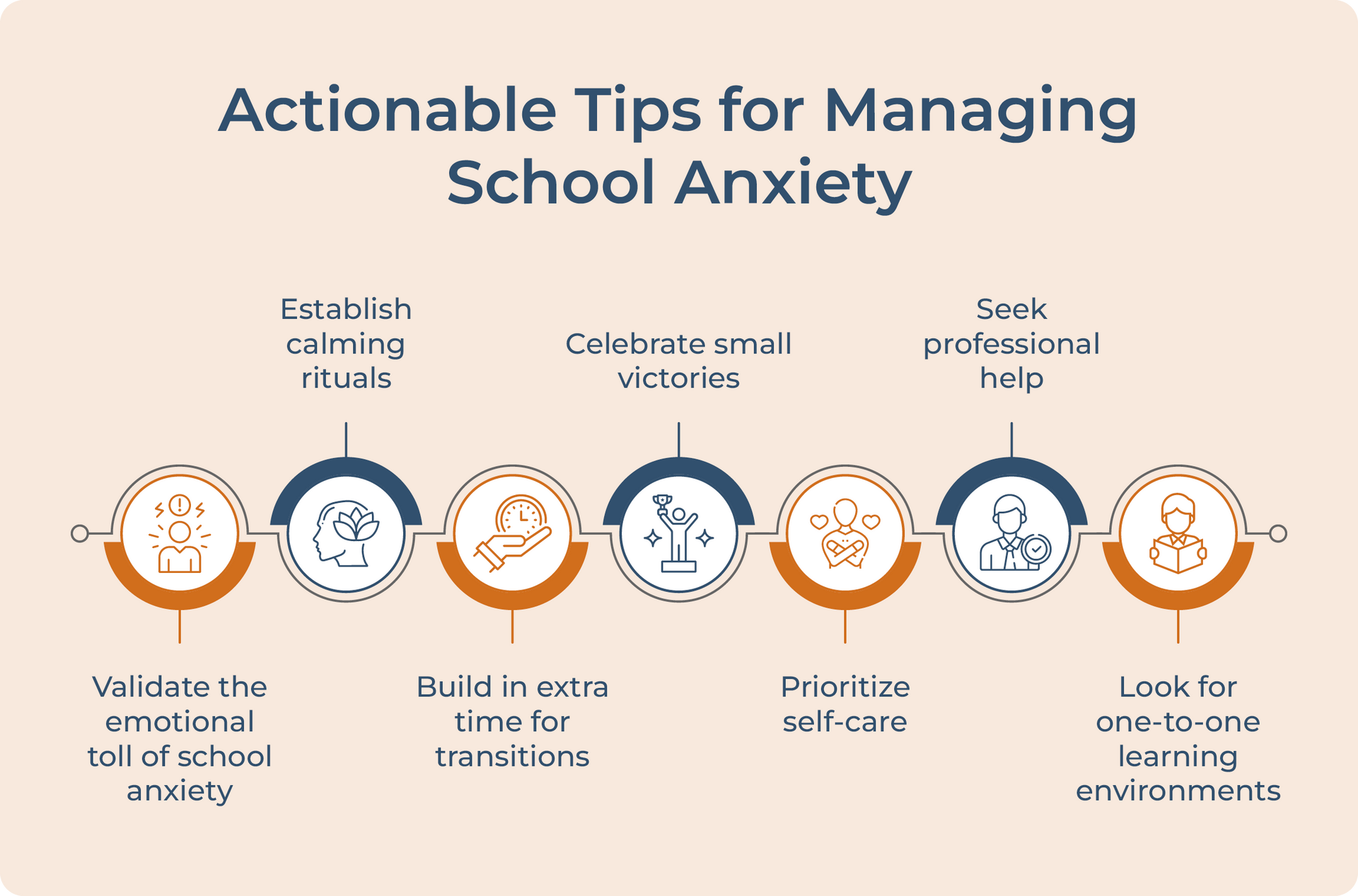
Start by acknowledging what your child is experiencing without judgement. Telling them to “try harder” or “not worry so much” can make them feel misunderstood. Instead, listen to what they are telling you and ask questions about what makes school difficult.
Focus on creating a safe space at home where your child can decompress without the pressure of academic demands. Provide practical, empathetic tips to manage day-to-day anxiety by listening actively and offering support rather than immediate solutions. Once your child feels heard, you can work together to identify next steps.
Students with anxiety easily become overwhelmed by the unpredictable nature of a typical school day. Introducing calming rituals helps alleviate the fear of the unknown, giving anxious students a sense of control over their environment and reducing anticipatory dread.
Work with your child to build a morning and evening schedule that prioritizes calm transitions. These might include:
The goal is to create a routine so the beginning and end of the day feel more predictable for your child.
Rushing from one activity or class to the next spikes cortisol levels and triggers panic in anxious students. Giving your child additional time to transition between activities can help reduce the pressure of constantly feeling behind.
This might mean waking up fifteen minutes earlier to prevent a frantic morning rush, and communicating with teachers about allowing the student to change classes a few minutes before the bell rings. In a one-to-one school, you can build your own schedule to naturally accommodate these much-needed transition periods.
Anxiety often causes students to fixate on their perceived failures and a lack of academic confidence. Celebrating small victories rewires their perspective, reinforcing positive behaviors and slowly rebuilding their self-esteem in an academic context.
Acknowledge achievements that may seem minor to others, such as packing their backpack the night before or attending a single class without panicking. Be specific with your praise and focus on effort rather than just outcomes. Recognizing persistence and problem-solving brings attention to progress.
Daily habits can affect how well students manage stress and regulate their anxiety. Making time for sleep, exercise, balanced meals, and activities they enjoy can help students recharge outside of school.
Build these into your child’s routine through activities such as a walk after dinner, a few minutes of quiet before homework, or an earlier bedtime. Healthy habits can help reduce stress levels and support students as they navigate anxiety.
While parental support is vital, severe school refusal and debilitating anxiety often require specialized intervention. Mental health professionals offer evidence-based coping strategies that go beyond what parents can provide at home.
Connect with a licensed therapist or counselor who specializes in pediatric anxiety and cognitive behavioral therapy. Coordinate between the therapist and the school to ensure that any recommended accommodations are properly integrated into the student's learning plan.
Sometimes the environment needs to change, not the child. Traditional classrooms fail these students due to large groups, peer judgment, rigid pacing, and a lack of personal attention. Adding accommodations can help, but accommodations do not always remove the underlying source of stress.
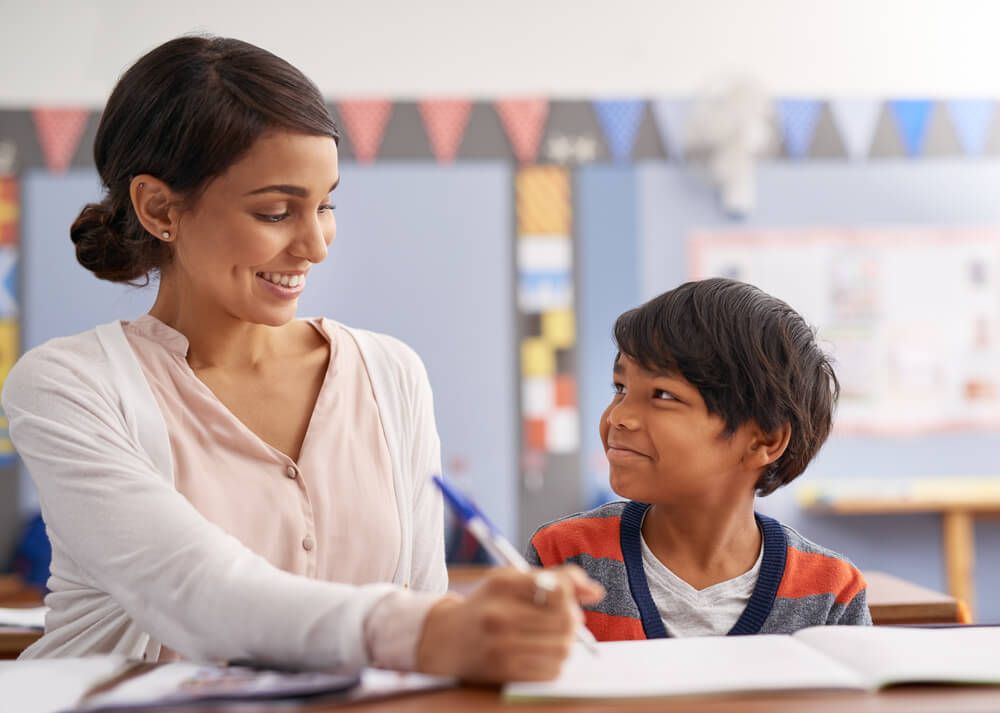
One-to-one instruction takes a different approach. Each student’s education can be adapted around their academic needs, pace, and schedule so they can focus more directly on learning. For families who have tried traditional classroom accommodations without seeing enough improvement, a one-to-one learning environment may be worth considering as an option.
Brightmont Academy is one of the nation’s leading schools for anxiety. Our campuses provide individualized attention to help students make academic progress while addressing the challenges that make traditional school difficult.
Every Brightmont student works one-to-one with an instructor, and learning is fully personalized—lessons are adjusted in real time based on the student’s questions and pace of learning. Instead of following a group lesson plan, students move through material in a way that supports mastery before progressing to new concepts.
Understanding what is contributing to your student’s anxiety can help identify the right next steps, whether that’s making changes at home, adding certain accommodations, seeking professional support, or finding a different, personalized learning environment.
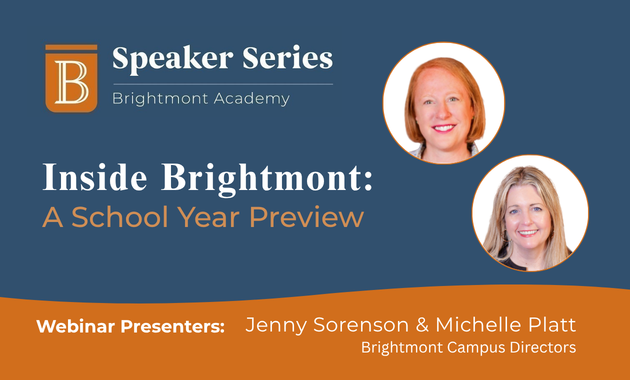
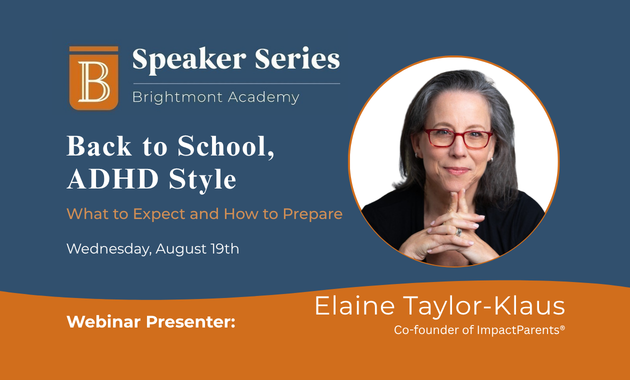
As you’re looking for ways to better understand your child’s needs and educational options, explore these additional resources:







“Brightmont gave my daughter
confidence and helped her love learning
again.”
– Parent of 8th grader

92% of Brightmont graduates are
accepted into their first-choice college

(888) 521-0887

To book a tour, talk to a campus director, or get a free consultation, please fill out the form.

©2026 Brightmont Academy®
