Barbara Farland is an English & Social Studies instructor at Brightmont Academy in Plymouth, Minn. She holds a master’s degree in Business Communication from the University of St. Thomas and, prior to pursuing a second career in education, worked as an award-winning public relations and communications professional in both the corporate and nonprofit sectors. As a “storyteller by nature and teacher at heart,” Barbara continues to contribute to various anthologies, among other writing projects.
Helpful ADHD Teaching Strategies Every Educator Should Know
Barbara Farland • October 5, 2026
As with any cognitive diagnosis, ADHD can create multiple layers of symptoms. Just as complex is the need for educators to develop and present classroom strategies that resonate with those with ADHD. However, when teachers are cognizant of their students’ unique challenges and determined to find ways to navigate them, their students are more likely to enjoy not only academic success, but also greater self-confidence and bright, happy futures.
In short, there is a way. There is hope. And certain tried-and-tested
teaching strategies for ADHD can make a huge difference. But where do educators start? One approach is to consider the three primary
symptoms of ADHD—inattention, hyperactivity, and impulsivity—and plan from there.

Strategies for Inattention
Cleveland Clinic, a leading nonprofit medical organization, notes that Inattentive ADHD is the most common ADHD diagnosis. Inattentive symptoms include losing focus easily, overlooking details, and forgetting and/or becoming overwhelmed by basic routines and tasks.
When students struggle with inattention, teachers are dealing with not just one but two concerns: 1) eliminating distractions and 2) maintaining student focus. The following strategies have proven effective in combating inattention, no matter how it’s triggered:
- Address environmental factors - What might be unnoticeable to most people might be incredibly bothersome to those with ADHD. The intensity and nuances of lighting, sound, texture, etc., can become hard to ignore. Thus, teachers can try to be vigilant in removing items that may tempt students to get off track and creating an ambience of simplicity, peace, and quiet. When possible, personalized learning environments are the best way for students to engage fully in their learning without the distraction of other students.
- Break assignments into smaller steps - It can be extremely difficult, if not impossible, for people with ADHD to perform well when faced with complicated assignments. However, chunking—or breaking big projects into small steps—helps them maintain focus throughout the lesson rather than becoming overwhelmed and paralyzed.
- Simplify instructions and elicit recall - Complex or lengthy instructions can also be a source of frustration. Try rewording instructions in the most basic of terms. Evaluate student understanding by asking them to repeat what’s expected through their assignments.
- Promote self-awareness and personal coping skills - Teachers can only know and do so much, and there’s no time like the present for students to grow in their self-awareness and self-advocacy. Have one-on-one conversations with students about what makes them tick and how they can lead in controlling their own behaviors. Honoring their preferences—within logical limits—can set them up for success in the classroom and life in general.
Strategies for Hyperactivity
There are also those with ADHD who demonstrate more hyperactive symptoms. According to Mayo Clinic, these students have an abundance of energy, talk excessively, and/or struggle with quiet activities. Given these behaviors, such students may benefit from some classroom strategies that help them channel their active tendencies into meaningful, less disruptive movement:
- Invest in fidgets - Though the marketing of specially designed fidget toys is fairly new to society, the need to fidget—or to keep one’s hands busy—has always been part of human history. Though spinners, Pop Its, and stress balls have become popular over the past decade or so, teachers need not break the bank to have some fidgets on hand. Even a small strip of Velcro under a student’s desktop can provide an effective sensory outlet.
- Allow active breaks - Sometimes restlessness becomes not only uncomfortable but also unbearable for hyperactive individuals. Be sensitive to this reality by planning breaks that are active and fun. One-to-one classrooms allow the flexible pacing these students need to take breaks throughout the day. GoNoodle is a popular resource among teachers and parents alike, and features songs, dances, and other activities that encourage movement.
- Involve students in movement-related tasks - Extend an invitation for students to keep track of agenda items on the whiteboard, get books and maps from the shelves for reference, sharpen pencils, wipe down work areas, etc. Occasional purposeful movement will help students keep their hyperactivity in better check.
- Incorporate movement into lessons -
Lesson planning takes a lot of creativity, and movement should always be on the table as an option for taking learning to the next level. Consider developing lessons that include topic-specific scavenger hunts, different activity stations, and/or “vote with your feet” exercises (e.g., go to a certain corner of the room if you agree or disagree with a certain idea).

Strategies for Impulsivity
The Attention Deficit Disorder Association (ADDA) describes ADHD-related impulsivity as a compromised ability “to pause, manage urges, or think through consequences.” Needless to say, situations can head south quickly when impulsivity is a factor, but educators can help their students with learning differences develop some effective habits and routines that strengthen impulse control:
- Model metacognition - Metacognition is just a fancy word for thinking about what you’re thinking about. Critical to metacognition is taking a moment to pause and assess what is really at the forefront of one's mind at the moment. Many teachers help students develop the habit to “Stop, Think, Act” before any impulsivity gets the best of them.
- Do slow breathing exercises - According to a study released in the Journal of Neurophysiology, intentional, paced breathing produces deep brain benefits. Impulsivity is among several mental conditions that are better managed through simple breathing exercises.
- Play “Simon Says” and similar games - Though best known as a fun childhood game, “Simon Says” is a great activity for students with impulsivity issues; it’s got “Stop, Think, Act” built right into it. “Red Light, Green Light,” “Musical Chairs,” and “Freeze Dance” are other good options.
- Rely on visual cues - Visual timers and digital stopwatches can help tame impulsivity by assuring students they are not “trapped” in an activity forever; they will have an opportunity to transition or move eventually, and can focus in the meantime. Such visual cues also take the pressure off students to keep track of time themselves, freeing them to more fully engage with academic material.
There’s no doubt that specialized ADHD teaching strategies can make a huge difference in these students’ academic performance and personal development. Will it require more planning and thought from teachers? Yes, indeed. Are all popular strategies foolproof for every student? Absolutely not. But are all students worth the diligence and perseverance to discover what works best for them? Definitely! May all teachers invest that kind of care and support starting now.


More Blog Posts, News & Webinars

Looking for effective teaching strategies for dyslexia? Discover how one-to-one instruction, multisensory learning, and Orton-Gillingham methods can help.
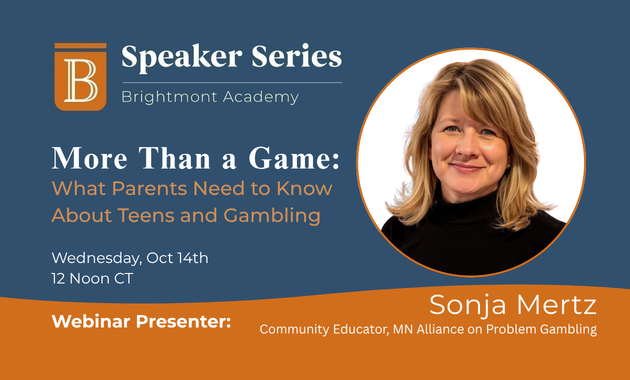
Hear from Sonja Mertz to better understand gambling and gaming trends, and how they can affect youth.

Learn how flexible accredited high school programs for athletes help students balance their academic goals with their passion for their extracurricular sport.

Get a closer look at one-to-one instruction and how personalized learning can be tailored to different students, schedules, and goals.

Tutoring for ADHD goes beyond basic review to accommodate unique learning needs. Discover how personalized instruction and executive functioning support help.

Brightmont Academy's newest campus, its second in North Carolina, is now open and enrolling students in Cary.
Brightmont Academy Speaker Series

Looking for the right educational environment to support your child’s mental and emotional wellbeing? Discover crucial accommodations for students with anxiety.

Anxiety can have a profound impact on student learning. Discover strategies and resources to support your child's mental and emotional wellbeing in this guide.