Karrie Wozniak is a growth-focused marketing executive leading brand, enrollment, and growth initiatives at Brightmont Academy, helping expand a mission-driven, one-to-one learning model across 25 campuses in 10 states. Passionate about personalized education, Karrie knows firsthand the difference it makes. Karrie holds a BS from Purdue University and an MBA from DePaul University, and is committed to building brands and initiatives that create impact.
How Private Schools for Learning Differences Support Growth
Karrie Wozniak • June 4, 2026
For parents of students with learning differences, traditional schools often fail to fully support their child's needs. After all, how do you measure a child's true potential when standard classrooms focus solely on their challenges? Even if a school understands your student’s particular needs, it often lacks the resources to offer anything beyond the most basic accommodations.
You and your student deserve better solutions. Fortunately, there are many alternative educational environments ready to serve your child’s particular learning needs. In this guide, we’ll review the offerings you should be looking for when evaluating different models for your child before diving into the top private schools for learning differences that you should consider. We’ll cover:
- Frequently Asked Questions About Private Schools for Learning Differences
- What Students with Learning Differences Need from Their Schools
- Top Private Schools for Learning Differences
- Conclusion: Finding the Right Educational Environment
Speak with an educational expert at Brightmont Academy today.
Frequently Asked Questions About Private Schools for Learning Differences
What makes a private school a good fit for students with learning differences?
To effectively foster growth for students with learning differences, schools must embed executive function support, sensory accommodations, and tailored instruction styles directly into their daily curriculum. These foundational shifts make it easier for students to process new information and actively participate in their education. Ultimately, these schools reduce burnout and help students rediscover their passion for learning.
How does a one-to-one classroom environment help neurodivergent students?
One-to-one instruction minimizes the social anxiety inherent in traditional large-group classrooms and offers the personal attention that students with learning differences need to succeed. In a personalized learning classroom, there is only one student and one teacher, which removes the fear of peer judgment and allows teachers to instantly pivot their specific instructional methods according to the student’s abilities. This responsive approach ensures meaningful engagement.
What is the difference between a special education program and an alternative school?
Traditional special education programs focus on addressing challenges with the goal of helping a student integrate into a standard educational setting. True alternative schools build an ecosystem designed to celebrate and elevate the student's unique neurological profile.
Instead of forcing a standardized view of success, these alternative programs completely reshape the educational approach. They prioritize emotional well-being and
mastery-based learning over strict adherence to arbitrary benchmarks. Alternative schools are also typically independent institutions from traditional schools, whereas special education programs exist within mainstream school settings.
What do twice-exceptional (2E) students need from their educational environment?
Twice-exceptional learners (i.e., students with neurodevelopmental disorders who are also highly intelligent or uniquely talented) need environments that both challenge them academically and account for their particular learning needs. Without proper stimulation, these students can quickly disengage. Specialized 2E programs feed their intellectual curiosity while simultaneously providing the structural scaffolding they need to progress and complete complex projects.
Can a specialized school for learning differences help rebuild a student's confidence?
Yes! Confidence naturally returns when students experience consistent academic success in a genuinely supportive and completely judgment-free environment. Progressive schools remove the stigma of learning differently and help students advocate for their own complex needs.
Years of academic struggle often leave neurodivergent learners feeling defeated and highly resistant to any new educational interventions. A targeted environment interrupts this cycle by offering small daily victories. Success breeds even more success.
What Students With Learning Differences Need From Their Schools
Deep educational support goes beyond simple, sporadic accommodations. Instead, it adapts the entire curriculum to the student’s unique needs. Some of the most impactful features of private schools for learning differences include:
Discover how one-to-one education can transform your student’s learning.
Top Private Schools for Learning Differences
If you’re ready to explore specialized private education for your student with learning differences, there are many options available. Let’s take a closer look at some highly regarded educational models, highlighting premier institutions leading the way in education for students with learning differences..
1. One-to-one education: Brightmont Academy
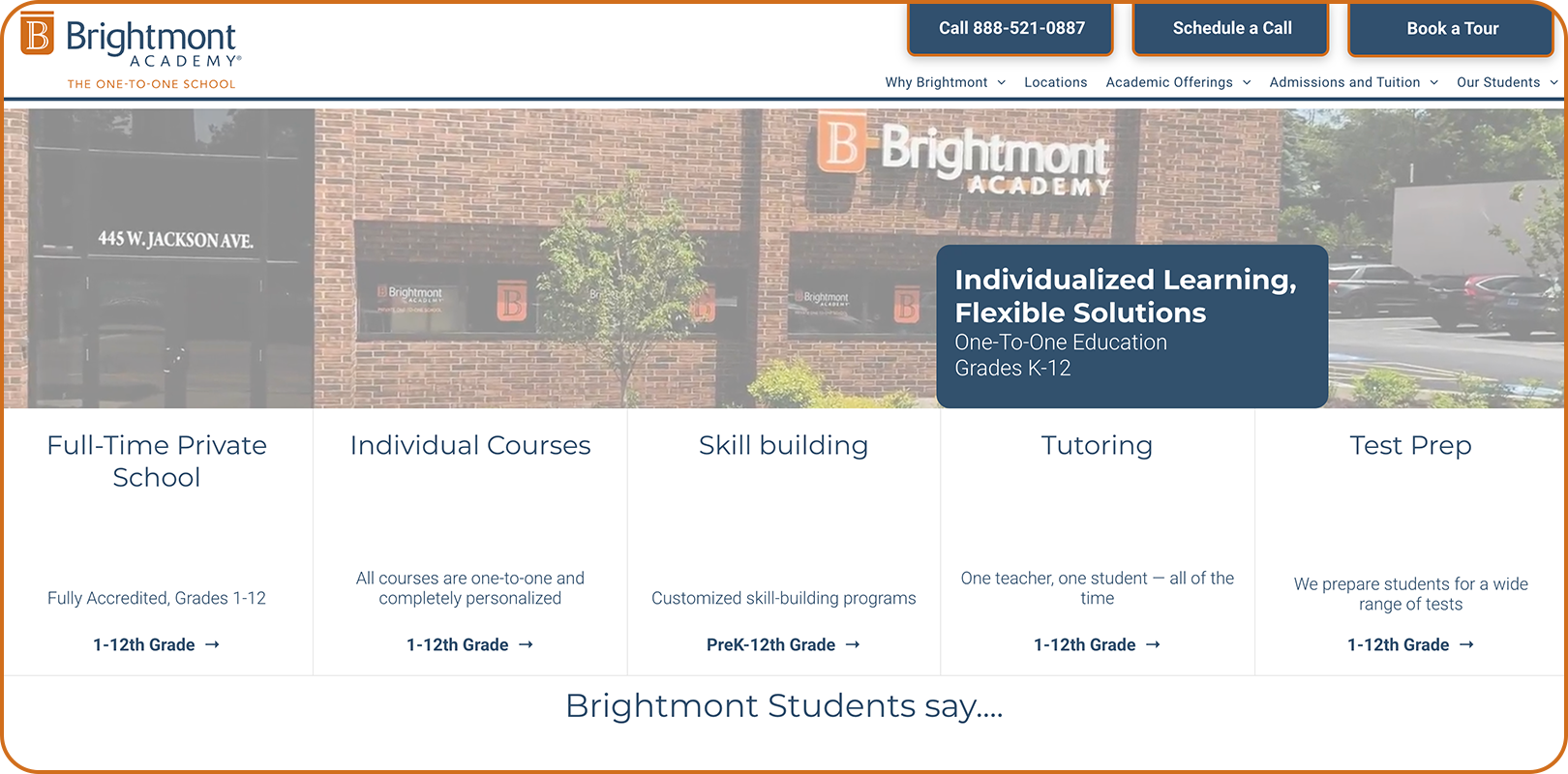
One-to-one learning schools like Brightmont Academy focus on both academic mastery and emotional and social well-being. In these schools, every classroom has exactly one student and one teacher. This dedication to individualized learning ensures no student slips through the cracks.
Brightmont Academy has helped countless
students with learning differences to rediscover their love for learning and grow academically. In fact, 90% of Brightmont students say they are more successful in school since coming to Brightmont, and 92% are accepted to their top-choice college!
Brightmont has
campuses across the country that all offer benefits like:
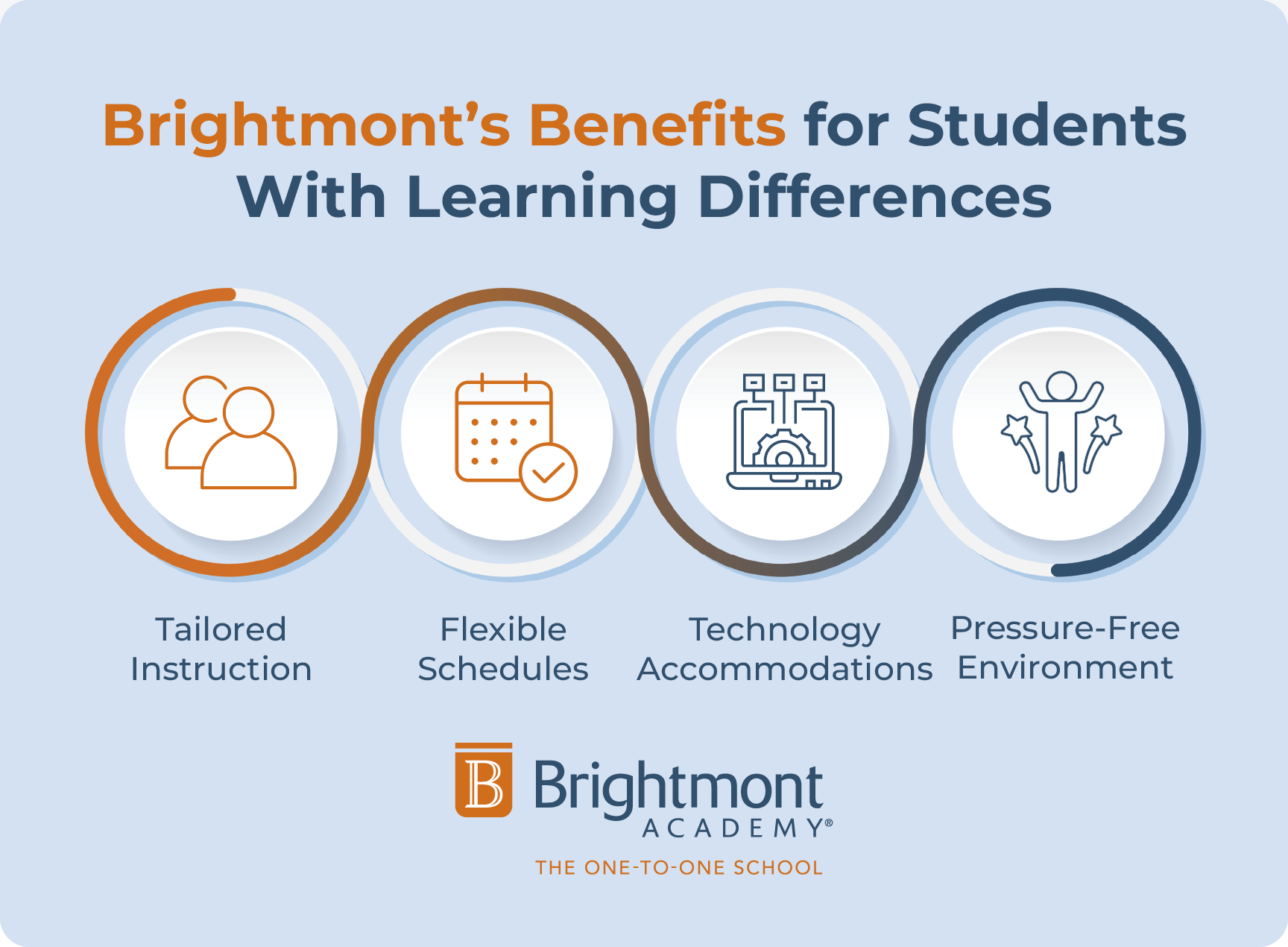
Tailored Instruction
Brightmont meticulously designs every single lesson around an individual student's current mastery level and personal academic interests. This approach ensures continuous momentum and keeps students excited about learning while eliminating the frustration of rigid and standardized lesson plans.
Flexible Schedules
The academy allows busy families to create customized attendance schedules that seamlessly accommodate external therapies, appointments, or outside activities. This flexibility significantly reduces daily family stress and ensures students arrive ready to engage. Students can also work on a chunked curriculum that includes mini-breaks to help them refocus and recenter.
Technology Accommodations
Brightmont educators seamlessly weave essential assistive technologies directly into their daily instructional methods, including text-to-speech or speech-to-text capabilities. These tools increase engagement and make learning more accessible.
Pressure-Free Environment
Neurodivergent students often face judgment from their peers because they learn differently, but a single-student classroom removes this
anxiety. At Brightmont, students can feel free to ask questions, make mistakes, and advocate for their own growth.
To learn more about how Brightmont’s personalized learning classrooms prevent students with learning differences from falling through the cracks, check out the video below:
Brightmont supports students with learning differences’ academic, emotional, and social growth.
2. Dedicated twice-exceptional (2E) academies: Bridges Academy
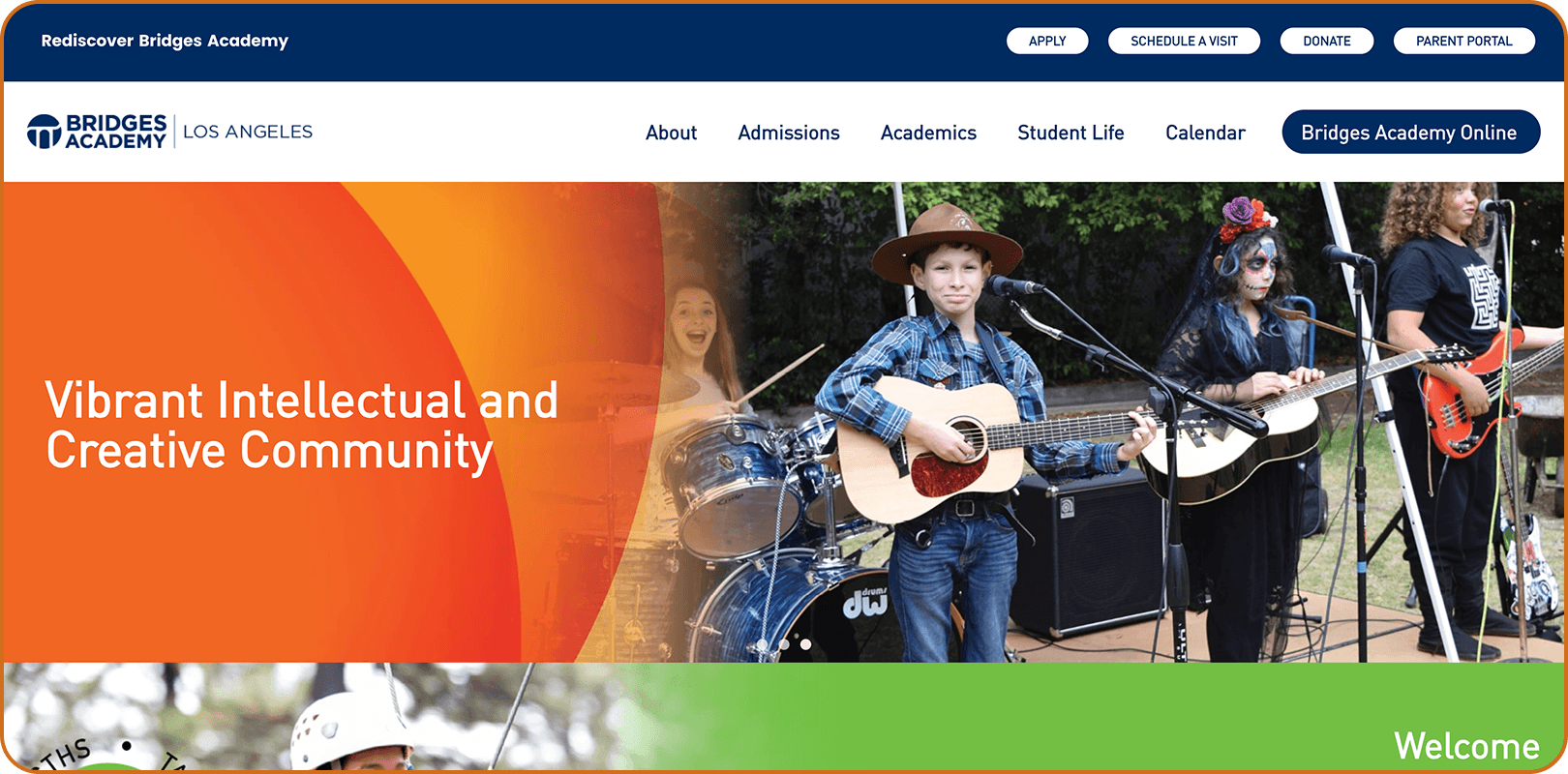
Some schools, like Bridges Academy in Los Angeles, CA, are specifically designed for the needs of gifted and 2E students. Bridges Academy builds the core curriculum around a student's cognitive gifts rather than solely remediating their foundational challenges. This philosophical shift ensures that intense intellectual curiosity drives the entire educational experience. With this approach, students can tackle high-level concepts while simultaneously receiving the targeted support they need.
3. Intensive language-based learning programs: Landmark School
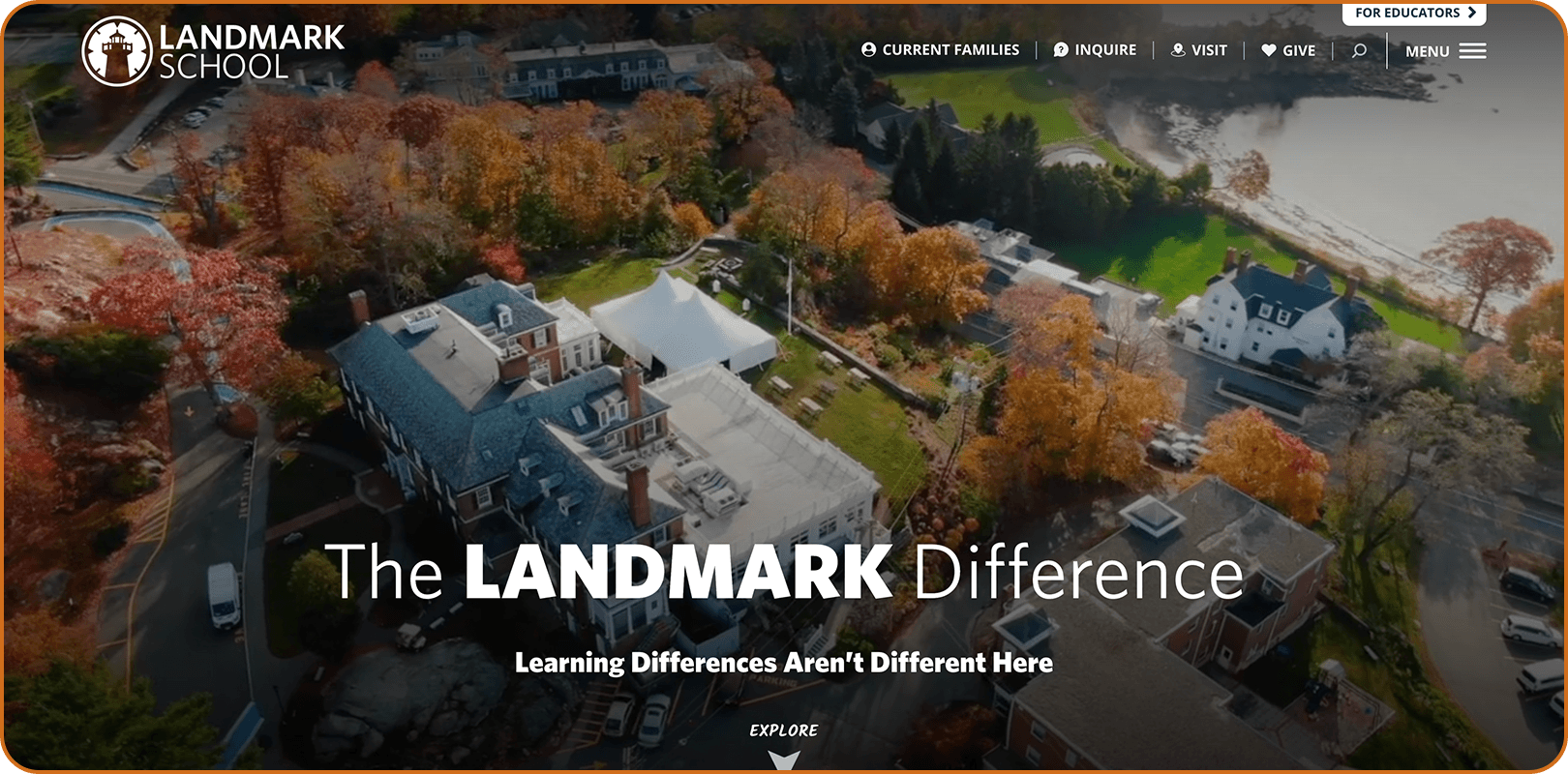
For families seeking targeted literacy interventions, Landmark School in Prides Crossing, MA, offers exceptional support for students with dyslexia and other language-based learning disabilities. Their rigorous programs rely on multi-sensory phonetic instruction to rebuild foundational reading skills. While they primarily use a small-group model, one-to-one instruction is still part of their curriculum.
Landmark also emphasizes balance. Many students with learning differences have historically been unable to make time for extracurricular activities, but Landmark prioritizes these activities as part of a holistic approach to education.
4. Multi-tiered therapeutic boarding schools: Brehm Preparatory School
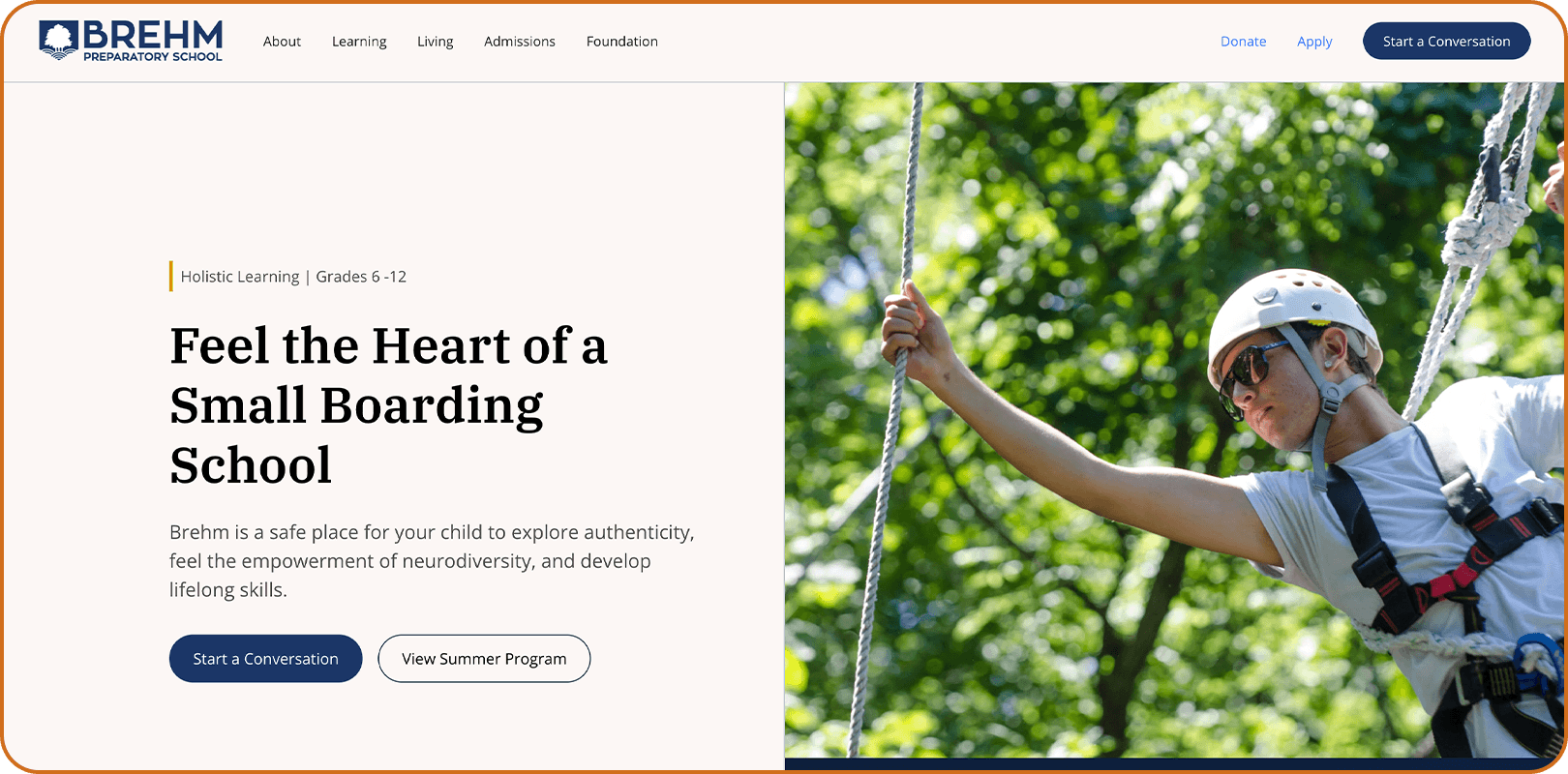
Holistic environmental support defines the highly specialized approach at Brehm Preparatory School in Carbondale, IL. Every dedicated dorm parent, clinical counselor, and academic teacher works together to reinforce daily coping strategies for students. Their multi-tiered therapeutic boarding school expertly addresses complex learning differences alongside crucial emotional needs. The careful structural scaffolding safely transitions students from intensive frameworks back toward functional self-advocacy.
5. Arts-integrated academic programs: The Lab School of Washington
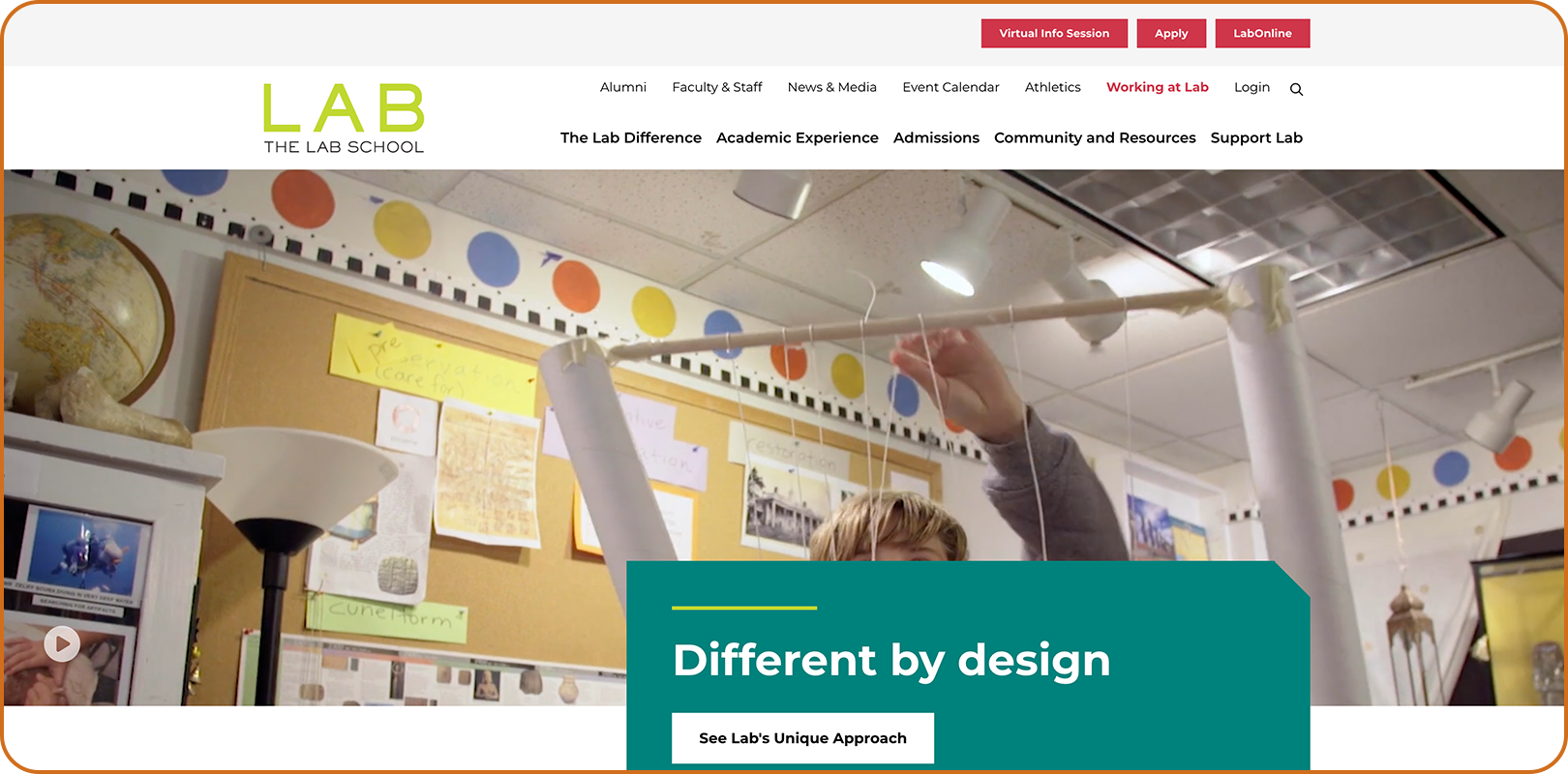
If your child thrives on creativity, The Lab School of Washington may be the right fit. This school’s differentiating feature is its extensive arts integration. Project-based learning empowers students to grasp complex concepts through hands-on problem-solving, and multisensory engagement makes abstract ideas feel relevant again. Ultimately, this approach empowers students to use their differences to their advantage through alternative modes of learning.
6. Neurodiversity-affirming sensory and communication schools: The Hirsch Academy
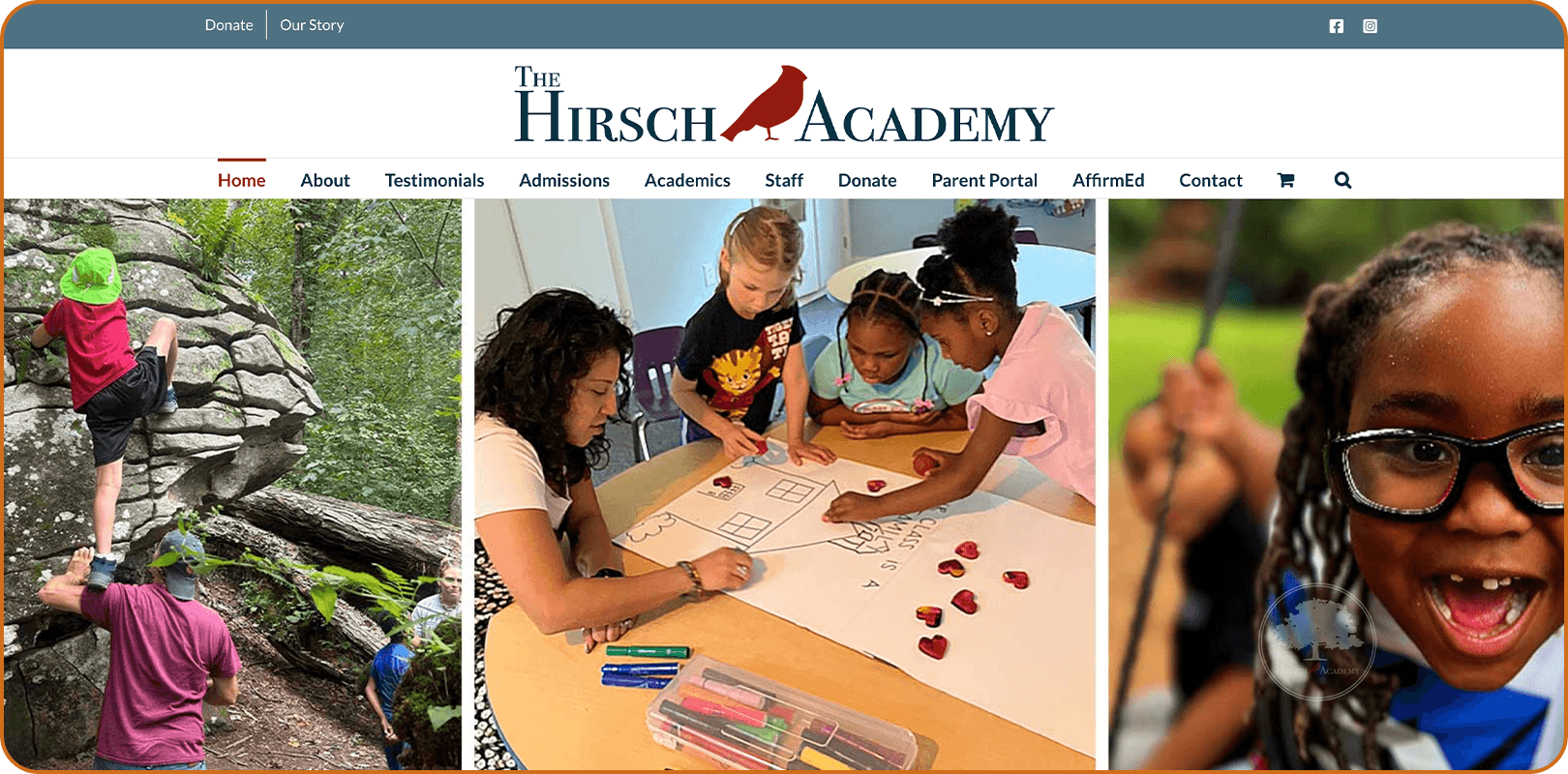
The Hirsch Academy in Decatur, GA, is a premier neurodiversity-affirming school. The campus features customized lighting, advanced acoustic treatments, and large movement spaces designed to help students with sensory sensitivities regulate their nervous system. Staff members also use advanced communication devices to empower all students to engage, regardless of their unique communication needs.
Conclusion: Finding the Right Educational Environment
Selecting the right private school for learning differences can be transformative. These schools help students achieve greater academic success and nurture a lifelong passion for learning. Especially in one-to-one classrooms like those at Brightmont Academy, your child will finally have teachers who understand their particular needs and get the opportunity to rebuild their confidence without the pressures of traditional schools.
Begin your search by looking for environments that directly address your child's unique processing profile rather than settling for generic accommodations. Securing the correct foundational educational environment today sets the foundation for your child’s future achievements.
To learn more about supporting the learning needs of every student, check out these resources:
- Beyond the Label: Understanding Neurodivergence: Learn about the complexities of neurodiversity and the importance of treating these diagnoses as differences to be understood rather than problems to be fixed.
- Choosing the Right School for Students with Learning Differences: Discover the qualities you should be looking for when evaluating private schools for learning differences.
- The “Superpowers”—and Necessity—of Neurodiversity: Neurodivergent learners are much more than their challenges. Explore the unique abilities and perspectives of these students.
More Blog Posts, News & Webinars
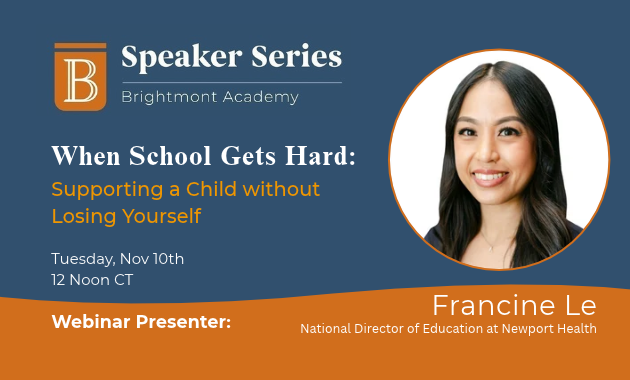
Learn how to support a struggling student with strategies to reduce stress, set healthy boundaries, and partner with your child’s school.

Learn how an elementary reading intervention program helps young students build foundational literacy skills. Discover the top strategies in this guide.
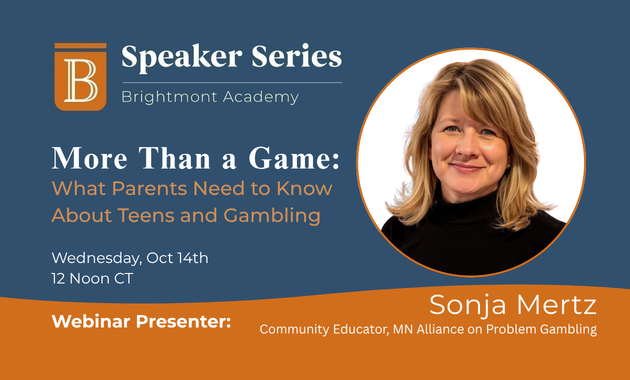
Hear from Sonja Mertz to better understand gambling and gaming trends, and how they can affect youth.

Navigating high school credit recovery and earning extra credits can be challenging. Learn how personalized learning helps students stay on track and succeed.

Looking for effective teaching strategies for dyslexia? Discover how one-to-one instruction, multisensory learning, and Orton-Gillingham methods can help.

Discover the best ADHD teaching strategies educators can use to help students maintain focus, control hyperactive tendencies, and strengthen impulse control.
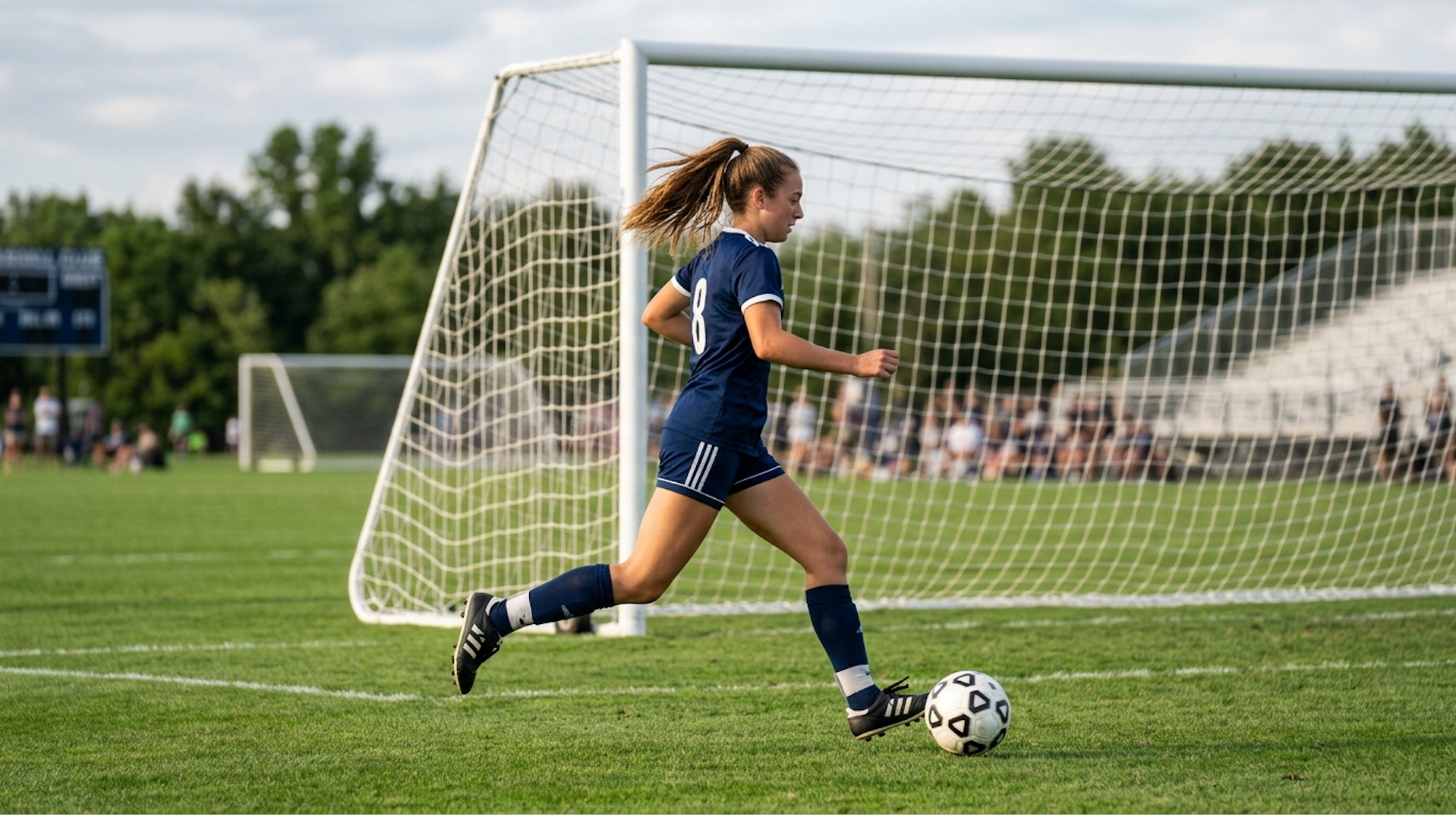
Learn how flexible accredited high school programs for athletes help students balance their academic goals with their passion for their extracurricular sport.
Get a closer look at one-to-one instruction and how personalized learning can be tailored to different students, schedules, and goals.

Tutoring for ADHD goes beyond basic review to accommodate unique learning needs. Discover how personalized instruction and executive functioning support help.