What is a gifted student?
Gifted students are outliers; they stand apart in data sets in terms of abilities. Gifted students may use vocabulary and have an abstract understanding of concepts years beyond their age, but they don’t have the life experience to fully understand yet. Asynchronous development is expected, and no two gifted students are the same. An example of how asynchronous development presents is high academic ability, but emotional intelligence hasn’t developed at the same rate. Gifted students are unique. The
National Alliance for Gifted Children explains giftedness as: “Students with gifts and talents perform—or have the capability to perform—at higher levels compared to others of the same age, experience, and environment in one or more domains. They require modification(s) to their educational experience(s) to learn and realize their potential. Student with gifts and talents:
- Come from all racial, ethnic, and cultural populations, as well as all economic strata.
- Require sufficient access to appropriate learning opportunities to realize their potential.
- Can have learning and processing disorders that require specialized intervention and accommodation.
- Need support and guidance to develop socially and emotionally as well as in their areas of talent.”
In the following NAGC Webinar, Dr. Lynette Breedlove
clarifies and identifies Gifted Students, Twice Exceptional Students, asynchronous development, and the foundations of supporting Gifted Students:
Gifted 101: 5 Things you Need to Know NAGC Gifted.
How can educators identify gifted students?
Testing often shows gifted students two or more years above their peers in one or more subjects. They are often recognized above the 96th percentile in assessment results. Schools typically perform standardized testing three times per year to assess student growth.
Schools that have gifted education have a referral process that begins with the teacher and parents completing a questionnaire about the student, including questions about advanced vocabulary, pattern recognition, ability to make connections, and more.
Gifted students are often identified with the following traits:
- Asynchronous Development
- Intense Curiosity and a Desire to Learn
- Rapid Learning
- Creativity and Imagination
- Sensitivity
- Advanced or Unconventional Problem Problem Solving (this is where the creativity and imagination combine with powerful logical thinking skills)
- Excellent Memory
As Columbia Public Schools reminds us, “When discussing characteristics of gifted children, any one of these characteristics may be present or not present—there are so many variables at work. Furthermore, these common cognitive and affective characteristics do not comprise a comprehensive list.”
How can schools identify gifted students?
The traditional approach to identifying gifted students is referral from teachers, which often moves on to the counseling office for students’ assessments, like the CoGat for cognitive abilities, NNAT for non-verbal abilities, WISC-V for a full intellectual profile (IQ), or OLSAT for following directions and classifying objects. The assessments used vary by state, so schools follow the procedures at the district or state level.
Giftedness goes beyond test scores and can often be seen in a student’s curiosity and dedication to their interests. For example, gifted learners can become intensely focused on subjects or activities that spark their curiosity, often developing advanced knowledge through independent learning. Their passion can be seen in athletics, leadership clubs, science fairs, robotics competitions, and volunteer work, where creativity and problem-solving skills are more evident.
Mark Phillips for Edutopia says,
Teachers from different disciplines and the arts must combine their impressions of students for a fuller picture of their talents. Parent input should be actively sought. Many parents know of their children's exceptional talents that could go unnoticed in a school setting….Who is that student who frequently speaks up with a strong, positive, moral position on some issue related to racial prejudice, sex-related discrimination, immigration policies, or climate control? Is this not a gift that our society needs?”
Are supports available for gifted students?
When seeking support for gifted students and their families, a good first step is reaching out to teachers and school counselors. The next helpful resource for students, teachers, school administrators, and parents is the National Alliance for Gifted Children (NAGC).
“NAGC is the nation's leading organization focused on the needs of gifted and talented children. Dedicated to uplifting and empowering those who support children with advanced abilities,
NAGC provides energizing professional learning, impactful research, and inspiring advocacy to ensure all children have equitable opportunities and support to develop their gifts and talents. Follow the NAGC hyper link to connect in symposiums, locate educational standards, and in-depth parent guides.
Federal support includes research and grants to promote well-rounded education for high-ability students to close the gap on ability and achievement. Some states have gifted education programs and resources in place within schools, and develop curriculum that foster and nurture student growth. The U.S. Department of Education has funding available for gifted programs that include:
- Conducting evidence-based research on identifying and teaching gifted and talented students, especially low-income and at-risk learners.
- Establishing programs that use innovative strategies such as mentoring, tutoring,
summer programs, and school-business partnerships to serve students who may be overlooked by traditional gifted programs.
- Providing technical assistance and resources to improve access to gifted education for all students."
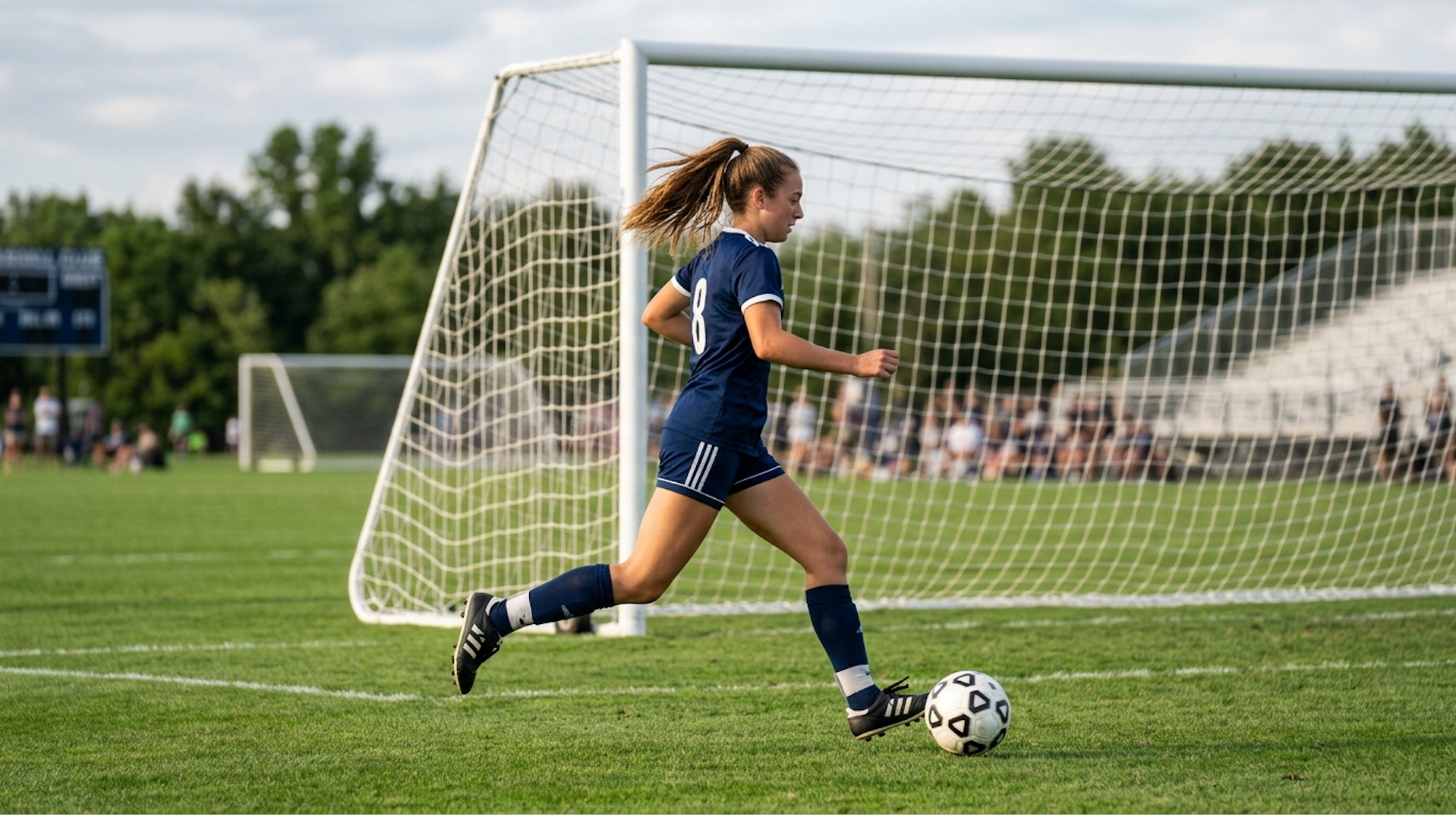
Extracurricular programs, including athletics and performing arts, help provide the balanced education that gifted students benefit from most and often reveal their talents outside the classroom. Because gifted students typically learn concepts much faster than their peers,
one-to-one learning and individualized instruction better match their accelerated pace and need for challenge. Simply assigning more work can feel punitive, while advanced and meaningful learning opportunities help gifted students feel engaged, respected, and supported.
Can a student be gifted and have a learning disability?
Yes. Gifted students can be diagnosed with learning disabilities, which may mask their giftedness and cause them to present as average in testing with their peers. Moreover, some gifted students are also identified with ADHD, Autism, and Dyslexia. These students are often called
“twice-exceptional” (2E), as their giftedness and their learning differences both set them apart from other students.
The
Davidson Institute is a good resource for 2E advocates. In the 2021 post, the Davidson Institute shares valuable insight: “Giftedness is not considered a disability, although some gifted students may also have learning disabilities such as dyslexia, ADHD, or autism disorder. These students are known as twice-exceptional students (also known as 2e children or students). Identification of these students often requires a professional who is able to assess and identify the two areas of exceptionality, which can often mask one another, making identification more difficult. (2021)
Furthermore, the emotions gifted students can experience are intense, and they don’t always know how to deal with them. Extra emotional support, coping strategies, and executive function practice can nurture their growth. Their obsessions can change over time. When this happens, gifted students can connect ideas from multiple domains, and they can make fast cross-subject connections. In these cases, the gifted student becomes closer to college and career readiness.
Are all gifted students high achievers?
Gifted students are known to be high achievers, but there are exceptions that can get in the way of their achievement.
Davidson Institute
explains,
“There are many causes as to why gifted students may underachieve. Some of the reasons include:
- Special needs or twice exceptionality without proper support
- Lack of motivation to encourage their skills
- Psychological issues such as perfectionism and anxiety
- Depression and emotional challenges
Intervention is often needed to reverse gifted underachievement.”
Conclusion
So, what does it mean to be gifted? The potential is there at the highest level with their extraordinary abilities! These students can go on to disrupt society in the best ways and make the world a better place. They bring new ideas to improve established concepts and constructs. They can achieve with their exceptional abilities and unique perspective. They are the disrupters that aim to help society with unique perspectives. Goal-oriented gifted students can go on to change the world, and they do!