Karrie Wozniak is a growth-focused marketing executive leading brand, enrollment, and growth initiatives at Brightmont Academy, helping expand a mission-driven, one-to-one learning model across 25 campuses in 10 states. Passionate about personalized education, Karrie knows firsthand the difference it makes. Karrie holds a BS from Purdue University and an MBA from DePaul University, and is committed to building brands and initiatives that create impact.
How One-to-One Learning Improves Students’ Outcomes
Karrie Wozniak • May 1, 2026
In a typical American classroom, a single teacher is often responsible for the academic growth, behavior, and engagement of 20 or more students. Classrooms like these cannot possibly account for the unique learning needs of every student, and they offer only a few minutes of direct, personal interaction between students and teachers each day.
As a result, many students are left feeling overwhelmed by a pace they cannot keep up with, overlooked when they have unique scheduling or learning needs, or under-challenged when they grasp concepts faster than their peers. A recent
Gallup poll found that as many as 54% of students feel disengaged at school, and less than half feel their schoolwork challenges them in a positive way.
Fortunately, the traditional classroom is not the only path to a successful education.
One-to-one learning has profoundly transformed many students’ academic, social, and emotional well-being, offering the flexibility, specialization, and personal attention that students need to succeed.
In this article, we’ll cover the basics of one-to-one learning, including:
- One-to-One Learning FAQs
- The Core Benefits of One-to-One Learning
- Why a Mastery-Based Approach is Crucial to One-to-One Learning
- Top One-to-One Learning Schools
Discover whether one-to-one learning is right for your child.
One-to-One Learning FAQs
What is one-to-one learning?
One-to-one learning is an educational model where one teacher works directly with one student, adjusting the curriculum, pacing, and instructional style to match that student’s needs. One-to-one learning has historically been a popular approach to tutoring, but in recent years, more part-time and full-time schools offering one-to-one private education have emerged, backed by growing evidence that students benefit significantly from this approach.
How do one-to-one schools work?
The best one-to-one schools start by assessing your child’s scheduling, academic, and personal priorities to determine how to create the optimal learning environment. From there, your school will create a lesson plan that perfectly molds to your family’s life and your student’s learning needs.
There are several pedagogical approaches commonly adopted by private schools using a one-to-one model. These include:
- Project-based learning, where students engage in hands-on, real-world projects tailored to their personal interests rather than completing generic worksheets.
- Student agency and goal-setting, which offers significant leeway to the student as they set academic goals and direct their own learning path. This encourages students to build crucial self-advocacy skills.
- Data-driven instruction involves teachers continuously assessing a student's progress in real time and adjusting lesson plans on the spot based on daily comprehension data.
- Mastery-based learning, which ensures that students only move forward when they have completely grasped a concept. This principle helps students develop deep foundational knowledge that goes beyond surface-level memorization. As a result, students improve their academic performance without allowing an obsession with grades to eclipse their love of learning.
How does socialization work in a one-to-one classroom?
Families sometimes wonder how socialization fits into a one-to-one model. These environments foster intentional, positive, and rich social interaction between students. In typical schools, the fear of peer judgment during classes often impedes authentic relationships. One-to-one private schools, on the other hand, allow students to bond without this competitive atmosphere.
At
Brightmont Academy, for example, lunchtime activities, specialized clubs, and campus events encourage student connection. With thoughtful scheduling and a deliberate emphasis on community-building activities, students can create meaningful connections with peers.
Who benefits from one-to-one learning?
While personalized attention improves the academic performance of most students, this model is particularly transformative for students whose needs are typically ignored by traditional systems, such as:
Students with Mental Health Struggles
Click to learn more →
Traditional classrooms often exacerbate the struggles that students with anxiety, depression, school refusal, or obsessive-compulsive disorder face. Personalized learning schools remove the social pressures, rigidity, and overstimulation of these environments to make learning more accessible. Students achieve more and feel safer in the calm, supportive environment of a one-to-one classroom with a teacher who understands their needs.
Click to flip back
Students with Learning Differences
Click to learn more →
Students with ADHD, dyslexia, dysgraphia, or another learning difference often struggle in a system built for neurotypical learners. A one-to-one setting allows the teacher to modify the delivery of information—whether that means incorporating frequent movement breaks for a student with ADHD or using specialized multi-sensory reading instruction for a student with dyslexia—without singling the child out in front of peers.
Click to flip back
Student Athletes and Performers
Click to learn more →
Aspiring elite athletes, actors, and musicians often have demanding training and travel schedules that make a standard 8:00 AM to 3:00 PM schedule impossible. Flexible one-to-one learning allows students to build a rigorous academic schedule around their extracurricular commitments, ensuring they don't have to sacrifice their education to make their passions work.
Click to flip back
Gifted and 2E Students
Click to learn more →
Gifted students frequently face boredom and burnout in traditional classrooms, as they are forced to wait for their peers to catch up. Meanwhile, twice-exceptional students’ gifts often go unrecognized. In a one-to-one classroom, however, teachers can accelerate the pace to match the student’s abilities, dive deeper into complex material, and adjust their approach to account for both learning differences and advanced abilities.
Click to flip back
Can students in one-on-one learning schools earn a recognized high school diploma?
Yes! Reputable one-to-one schools are fully accredited by regional and national educational bodies. Students earn official, recognized high school diplomas that are accepted by colleges and universities nationwide, including highly selective institutions.
The Core Benefits of One-to-One Learning
One-on-one learning offers a myriad of advantages for students, including:
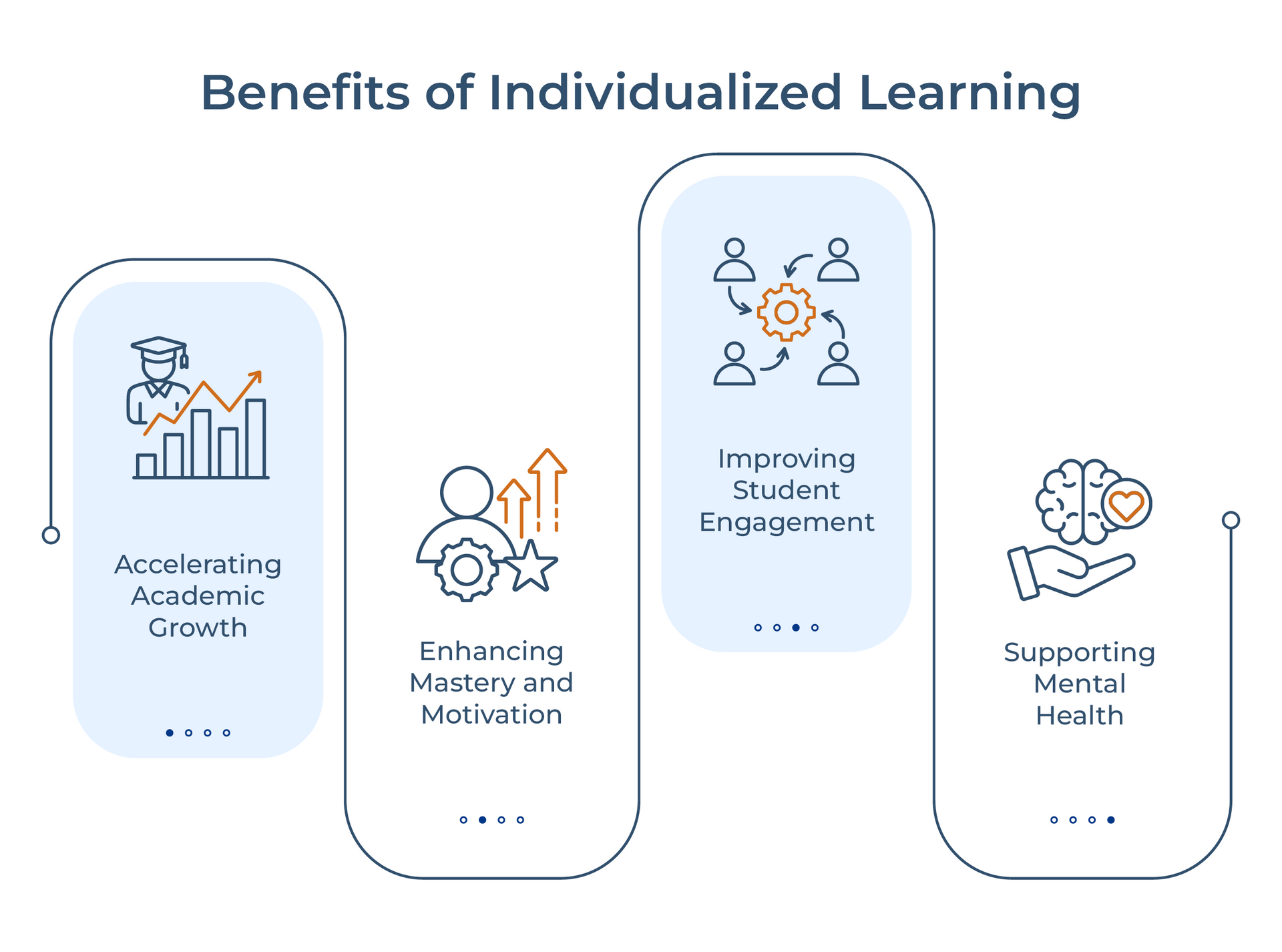
Accelerating Academic Growth
The individualized pacing of one-to-one classrooms ensures that students never have to wait for peers to keep up or scramble to catch up themselves. It also allows teachers to devote their full attention to instruction rather than classroom management.
This efficiency allows students to cover more ground in less time. If a student understands a concept in ten minutes rather than the expected forty, they immediately move on to the next challenge, resulting in rapid, accelerated academic growth. Conversely, if a student requires forty minutes to fully grasp a concept that might be taught in ten minutes in a traditional classroom, they can take the time they need on that topic and be fully prepared to learn the next one instead of falling behind.
Additionally, students in individualized learning schools receive immediate, targeted feedback that addresses any misconceptions or issues in real time. This personal attention keeps students on the right track and helps them build confidence in their abilities.
Enhancing Mastery and Motivation
In a one-to-one private education setting, the student is constantly engaged in a dialogue with their teacher. This setup enhances the student's intrinsic motivation by making them an active participant in their education. A customized pedagogical approach and curriculum encourages a deep, genuine desire to master the material.
Improving Student Engagement
Disengagement often stems from a disconnect between the material and the student's interests or abilities. One-to-one teachers not only adjust their pacing to match each student’s needs but also design a curriculum that weaves the student’s interests into the material. When a reading assignment or a physics problem is framed around something the student already loves, their engagement and focus increase significantly.
Students also create genuine relationships with their teachers over time. Educators often take on a mentor role that encourages deeper engagement and facilitates a student’s overall development.
Supporting Students’ Mental Health
Academic struggles and social pressures are leading causes of adolescent anxiety. One-to-one learning removes the peer pressure and overstimulation of standard classrooms to create a truly safe space for students to learn and grow. Teachers at personalized learning schools can also better understand each student’s challenges and respond to their academic and emotional needs with greater care and attention.
Brightmont’s personalized education model supports your child’s academic, social, and emotional development.
Why a Mastery-Based Approach Is Crucial to One-to-One Learning
While a one-to-one classroom environment by itself is a powerful accelerant for student learning and personal growth, schools must also implement a consistent pedagogy that challenges students to maximize their potential.
The problem with many schools’ rigid curricula is that they fail to address gaps in students’ foundational knowledge. For example, let’s say a student receives a 70% on a Spanish quiz. Most schools would accept this as a passing grade, and the teacher would simply move on to the next unit. However, a 70% still indicates that the student has a significant gap in their understanding of the material—perhaps they can memorize vocabulary, but they still struggle with verb conjugation. These gaps can compound over time until the student completely hits a wall and is unable to progress in their education.
A
mastery-based approach is different. This approach to one-to-one learning dictates that the teacher will only move on to the next topic when the student has demonstrated complete mastery of the current concept. If the student needs only two days to learn and incorporate new vocabulary when speaking Spanish, but two weeks to consistently conjugate irregular verbs correctly, the schedule will bend to accommodate their needs.
Pairing a 1:1 teacher-to-student ratio with mastery-based expectations ensures that student learning never stagnates. Teachers provide both compassionate personal attention to build students’ confidence and tailored feedback that pushes them to achieve more.
Top One-to-One Learning Schools
When exploring one-to-one learning, it’s important to find an institution that pairs high-quality instruction with the right philosophy. Here are some of the top options available today:
1. Brightmont Academy
Brightmont Academy is a fully accredited private school offering one-to-one instruction for students in grades 1 through 12. Its mastery-based educational model has helped students with a wide range of learning styles and academic interests reach their full potential. Brightmont currently has 25 campus locations across 10 states, and it continues to grow.
Brightmont is highly regarded for its positive, inclusive campus culture and its deep expertise in meeting students where they are—whether they're managing anxiety or other mental health challenges, have learning differences, are gifted learners, or are athletes and performers who need a flexible, compassionate academic environment. With personalized programs, dedicated Homework Studio support, and the chance to connect through clubs, Brightmont gives every student the structure and community they need to succeed.
Brightmont offers full-time and part-time opportunities, credit recovery, acceleration, skill building, tutoring, course previews, and test prep. Our one-to-one learning classrooms create measurable results for students—for instance:
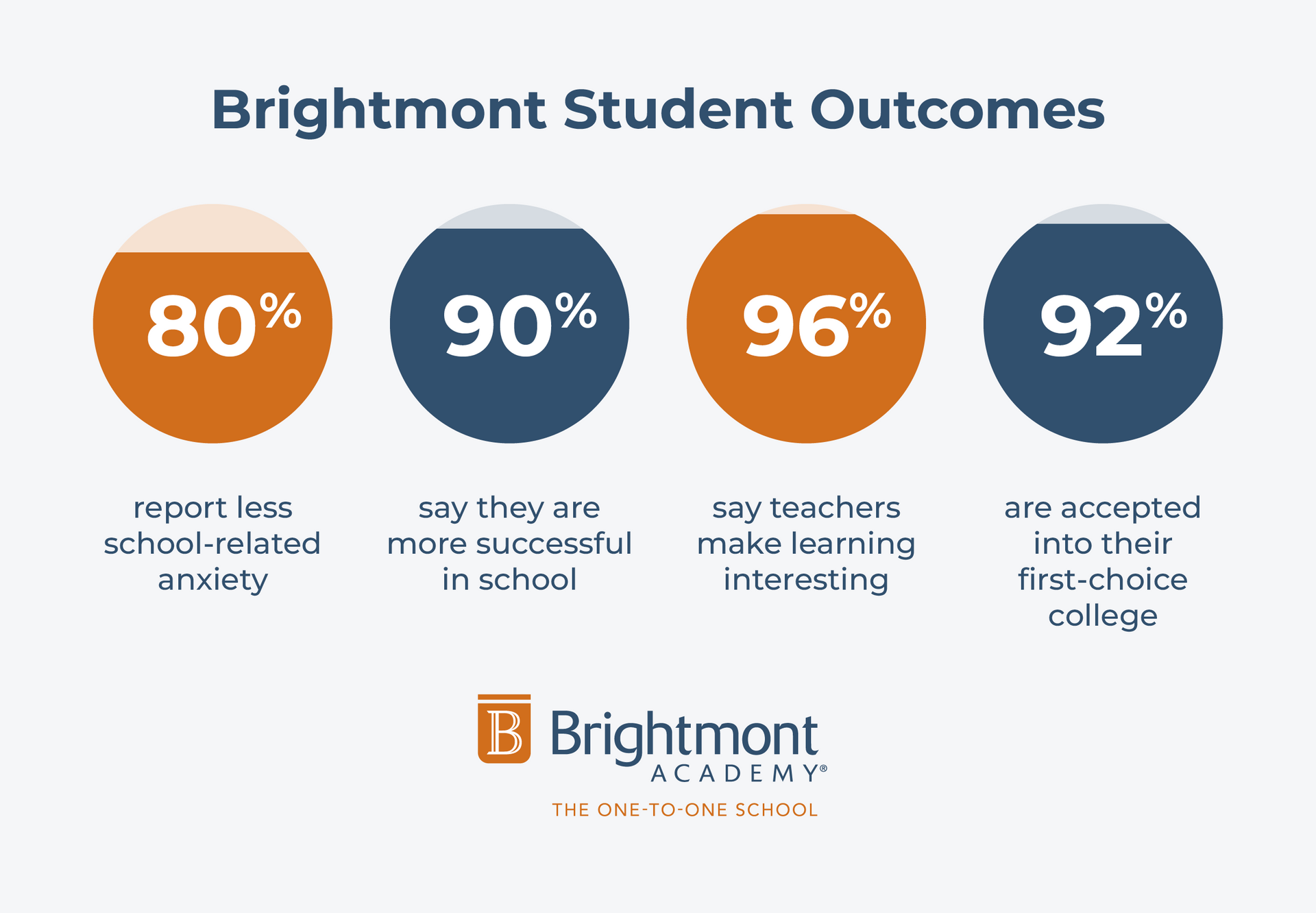
- 80% report less school-related anxiety
- 90% say they are more successful in school
- 96% say teachers make learning interesting
- 92% are accepted into their first-choice college
Interested in learning more about Brightmont’s educational model? Hear from one of our teachers in the video below:
Help your child achieve more with personalized education.
2. Fusion Academy
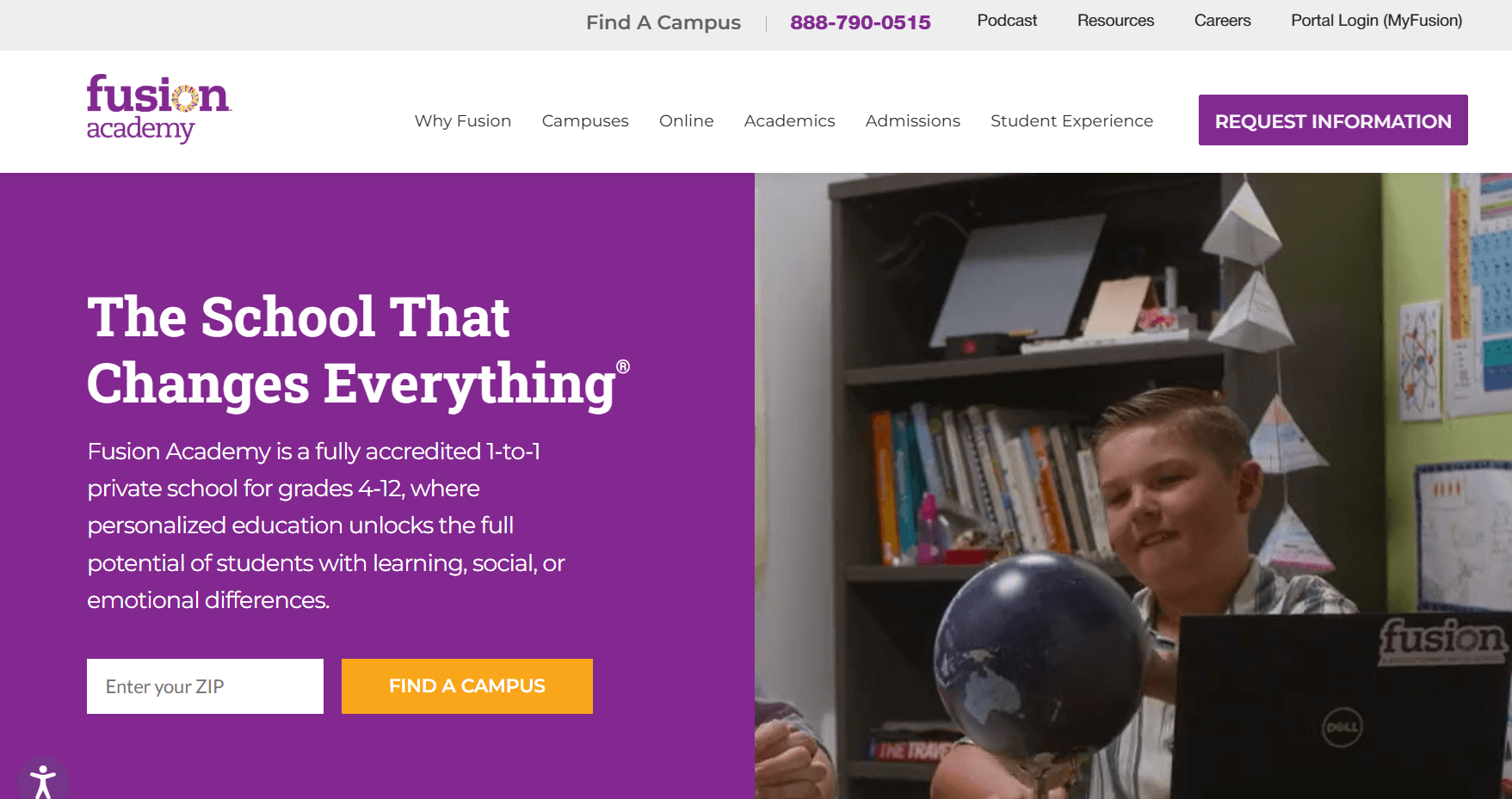
Fusion Academy is another well-known national network of private schools offering personalized one-to-one education for children in grades 4–12. Their education philosophy focuses on first creating a trusting relationship between student and teacher. Fusion students attend classes in a one-on-one setting and then complete their coursework in Homework Cafe spaces to socialize with peers.
3. Links Academy
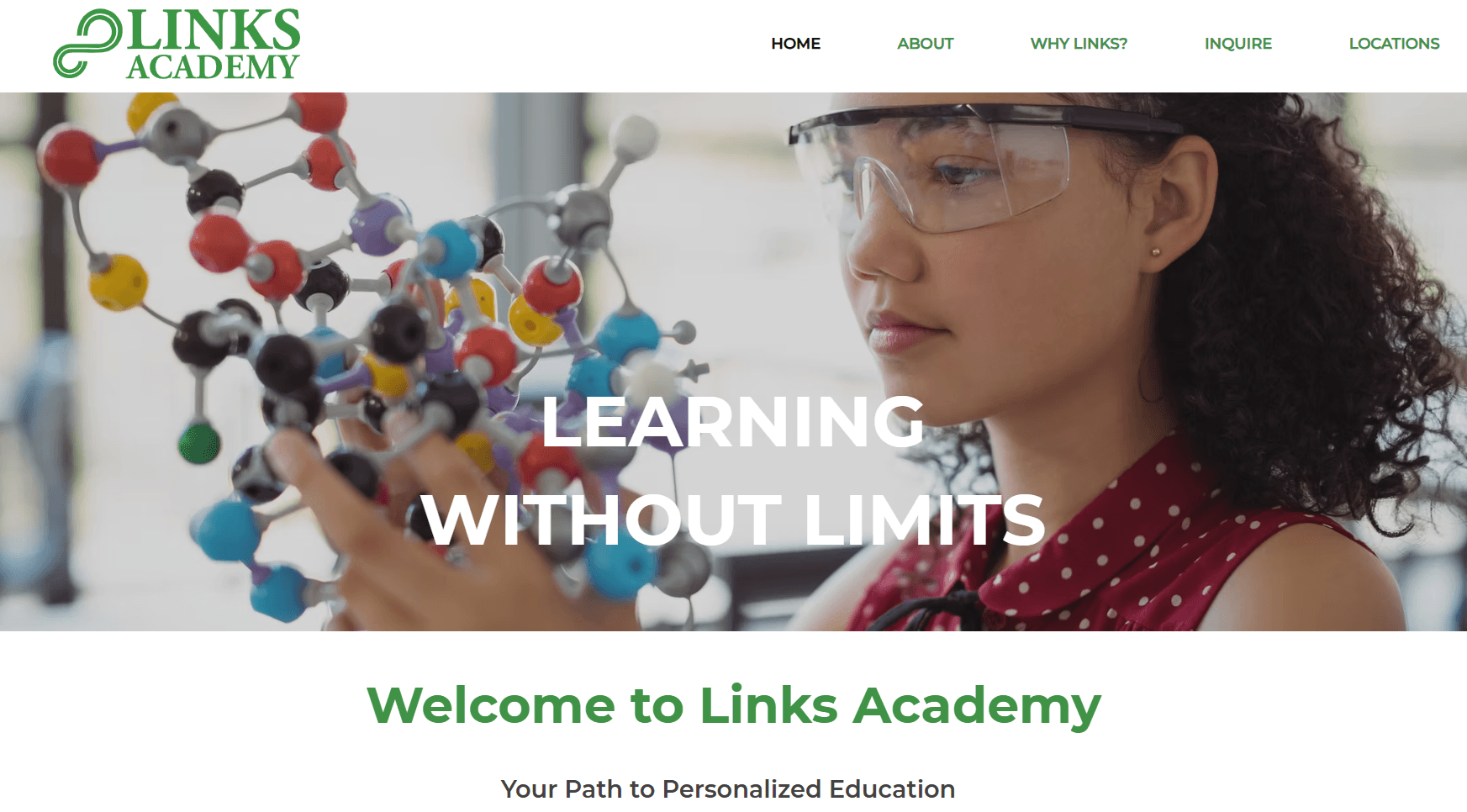
Links Academy offers rapid enrollment for students in Connecticut and New York looking for one-to-one private education options. Links primarily serves students who are transitioning between schools, dealing with medical leaves, or seeking a flexible schedule to accommodate their athletic or artistic pursuits. They emphasize strong partnerships with families and outside educational professionals to support the whole student.
4. Lydian Academy
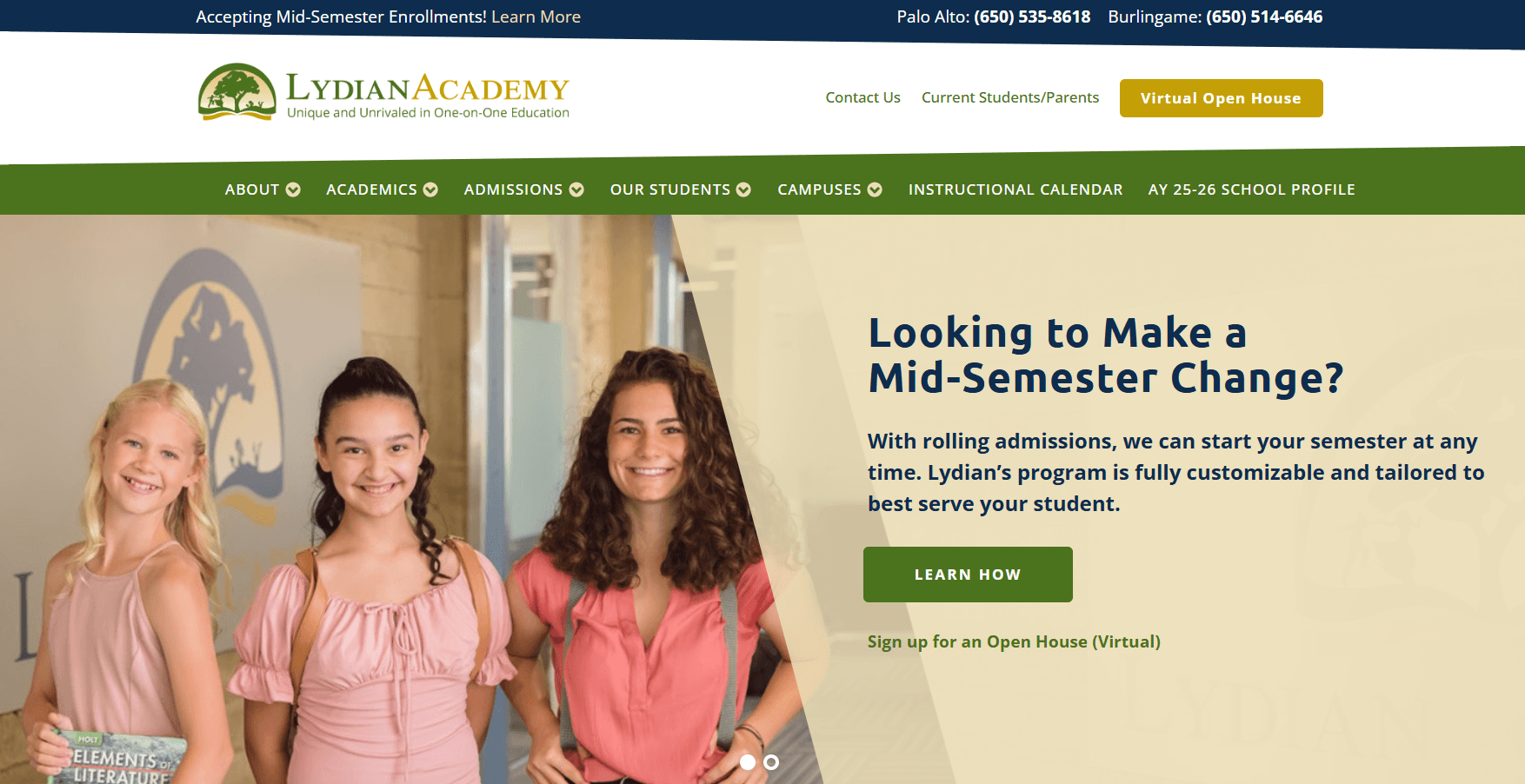
Operating exclusively in California, Lydian Academy is an accredited one-to-one middle and high school known for its interactive, tech-forward approach. They focus on college preparatory academics in an individualized setting, allowing students to enroll full-time or take single courses for credit recovery or acceleration.
5. Local Specialized Tutors and Microschools
For families who may not have access to a national one-to-one campus, local microschools or dedicated private educators often offer one-to-one or one-to-few learning pods. While these may not always provide a direct path to an accredited diploma on their own, they serve as excellent supplemental resources for individualized instruction.
Conclusion
One-to-one learning ensures that every student receives the academic and emotional support they need to achieve their full potential. By eliminating the downfalls of traditional classrooms and providing unmatched personal attention and individualized curricula, one-to-one schools foster a love of learning, accelerate academic growth, and protect student well-being.
To find the right one-to-one learning environment for your child, look for a school that pairs individualized attention with a steadfast commitment to mastery-based learning—ensuring that students exceed expectations and develop a lifelong enthusiasm for learning.
Still have questions about one-to-one learning? Check out these additional resources:
- 11 Types of Alternative Schools Helping Students Thrive: Nontraditional schooling options, including one-to-one classrooms, help students learn more effectively. Discover the alternative school that matches your family’s needs.
- Prevent Summer Learning Loss: How One-to-One Support Helps: Learn how one-to-one learning helps students retain knowledge during summer break so they can hit the ground running when the fall semester starts.
- What One-to-One Schooling Looks Like: A Day at Brightmont Academy: Step into the shoes of a Brightmont teacher! Dive into an hour-to-hour look at what personalized education can look like.
More Blog Posts, News & Webinars
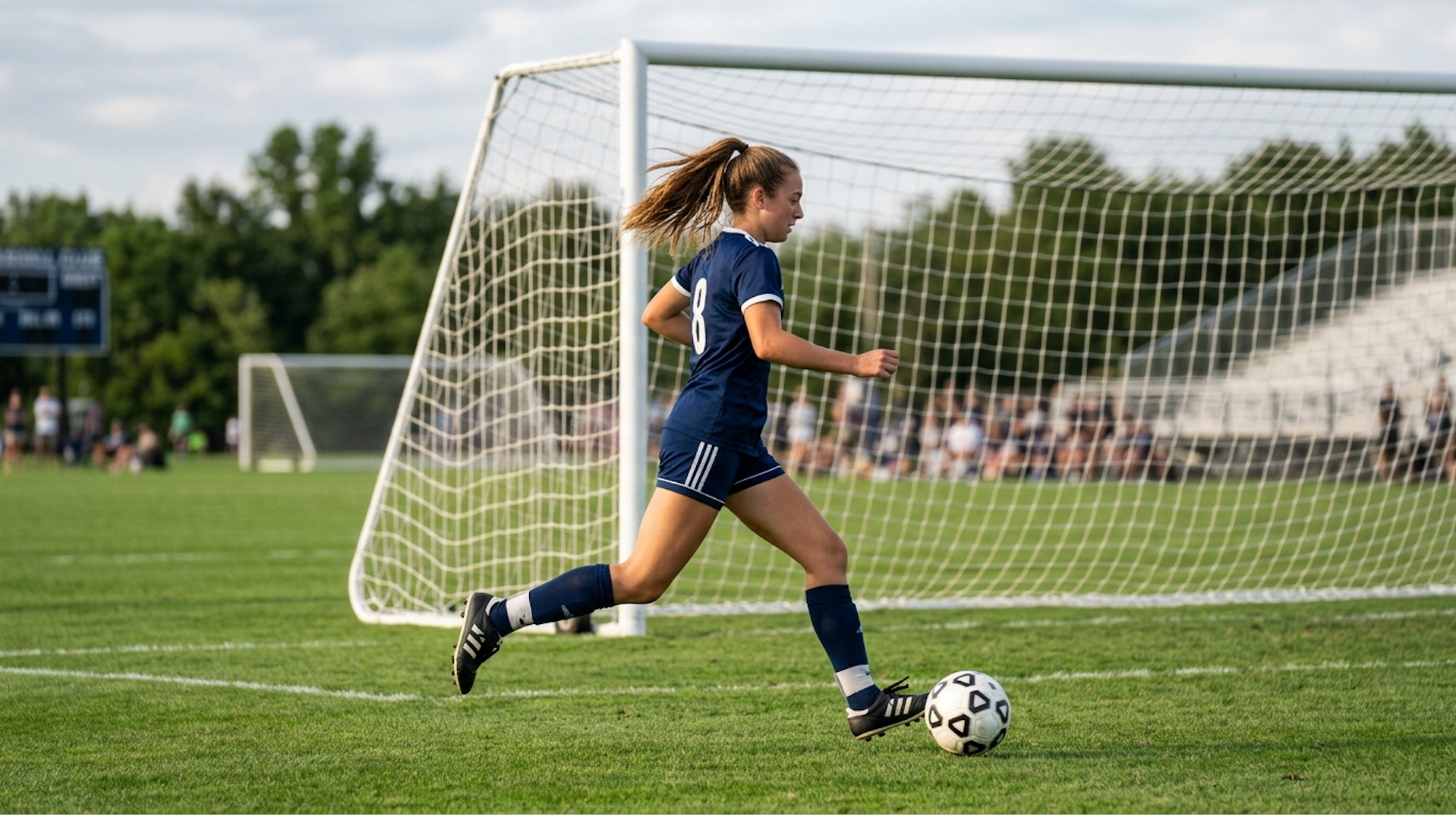
Learn how flexible accredited high school programs for athletes help students balance their academic goals with their passion for their extracurricular sport.
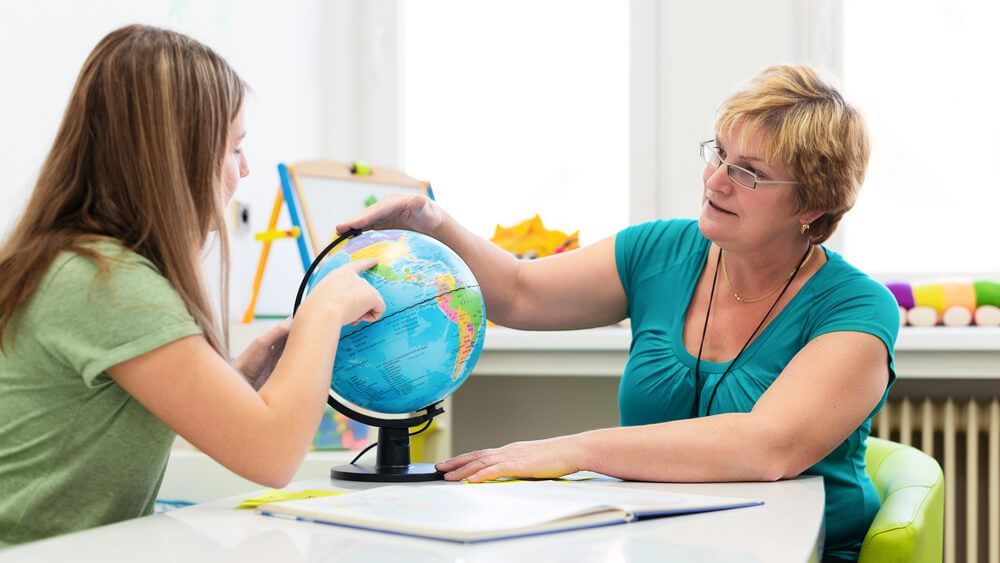
Get a closer look at one-to-one instruction and how personalized learning can be tailored to different students, schedules, and goals.
Tutoring for ADHD goes beyond basic review to accommodate unique learning needs. Discover how personalized instruction and executive functioning support help.
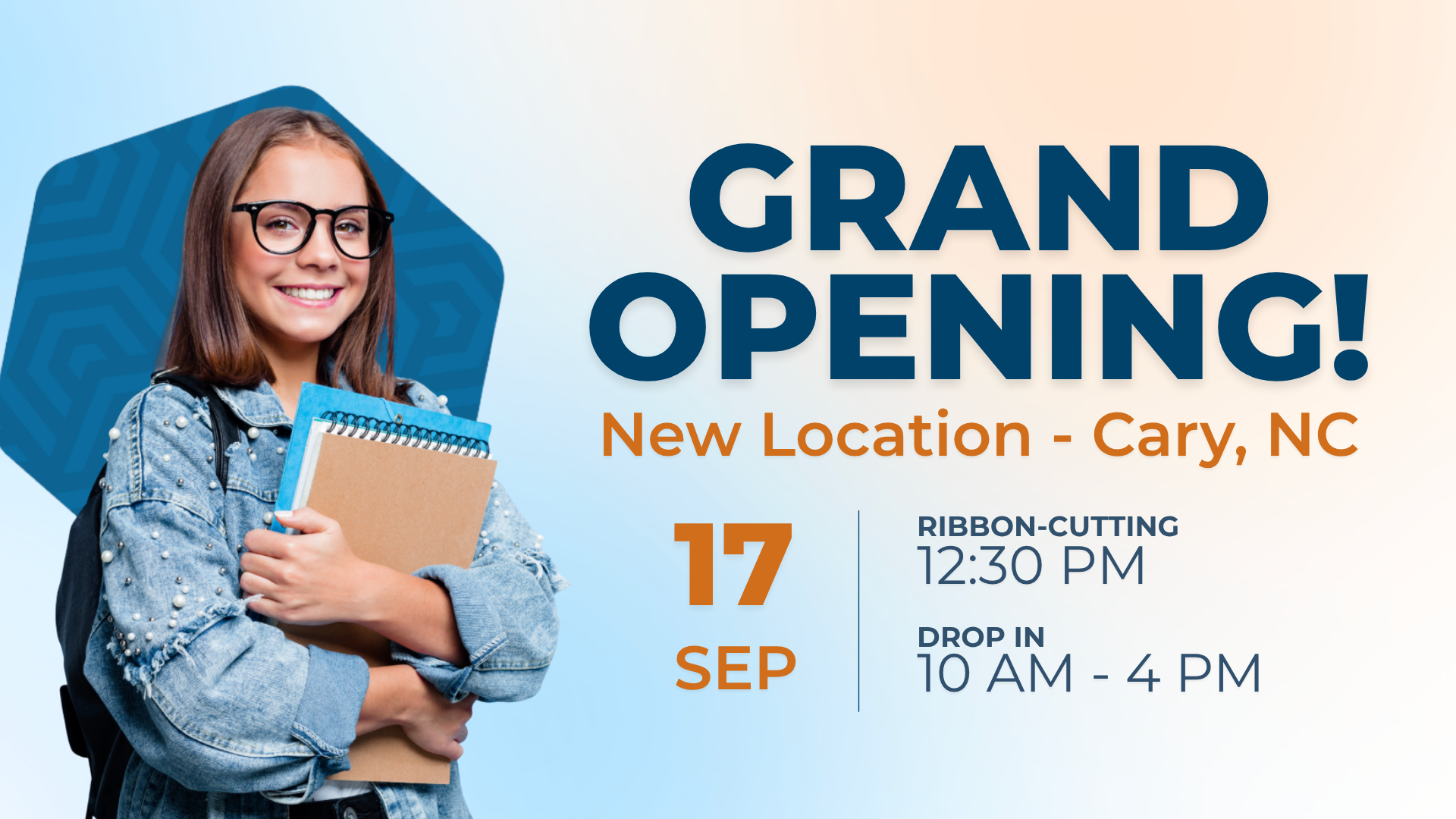
Brightmont Academy's newest campus, its second in North Carolina, is now open and enrolling students in Cary.
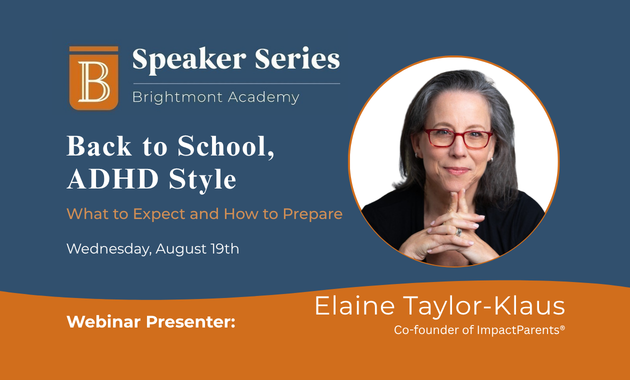
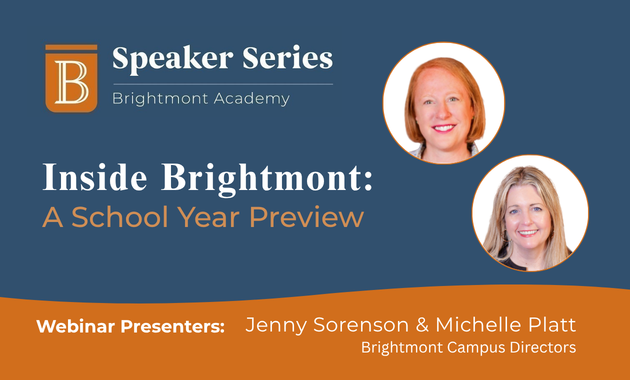
Brightmont Academy Speaker Series
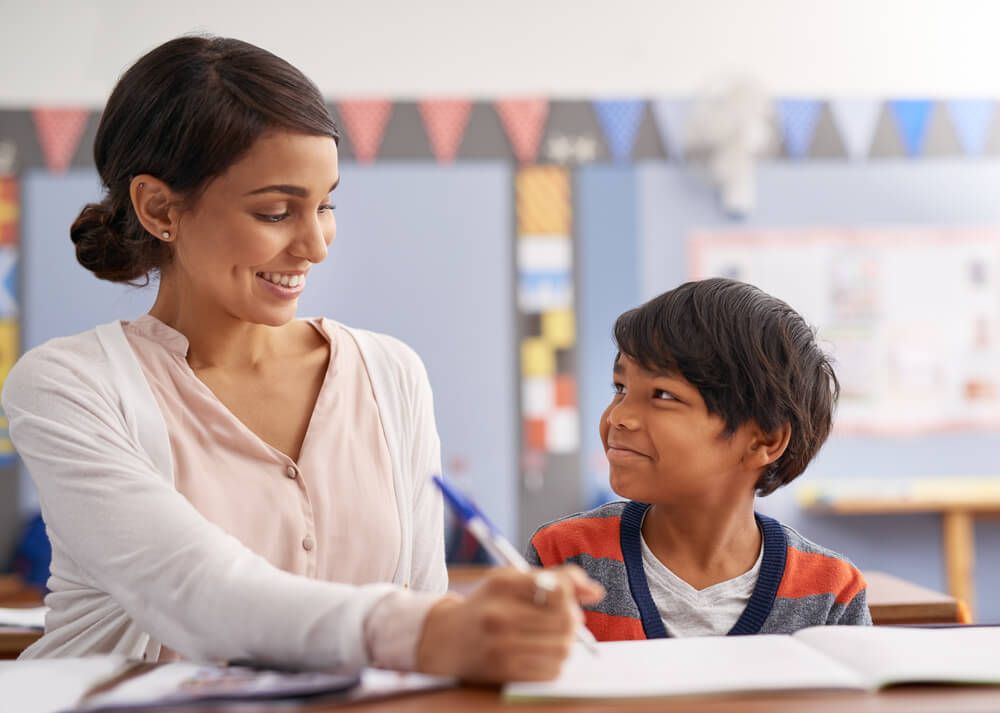
Looking for the right educational environment to support your child’s mental and emotional wellbeing? Discover crucial accommodations for students with anxiety.
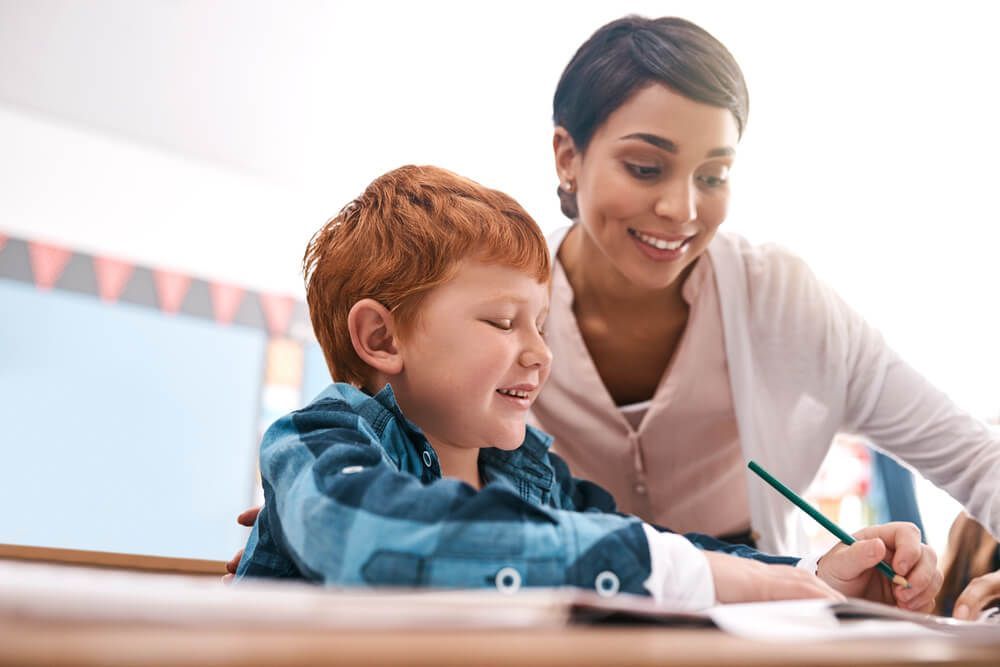
Anxiety can have a profound impact on student learning. Discover strategies and resources to support your child's mental and emotional wellbeing in this guide.
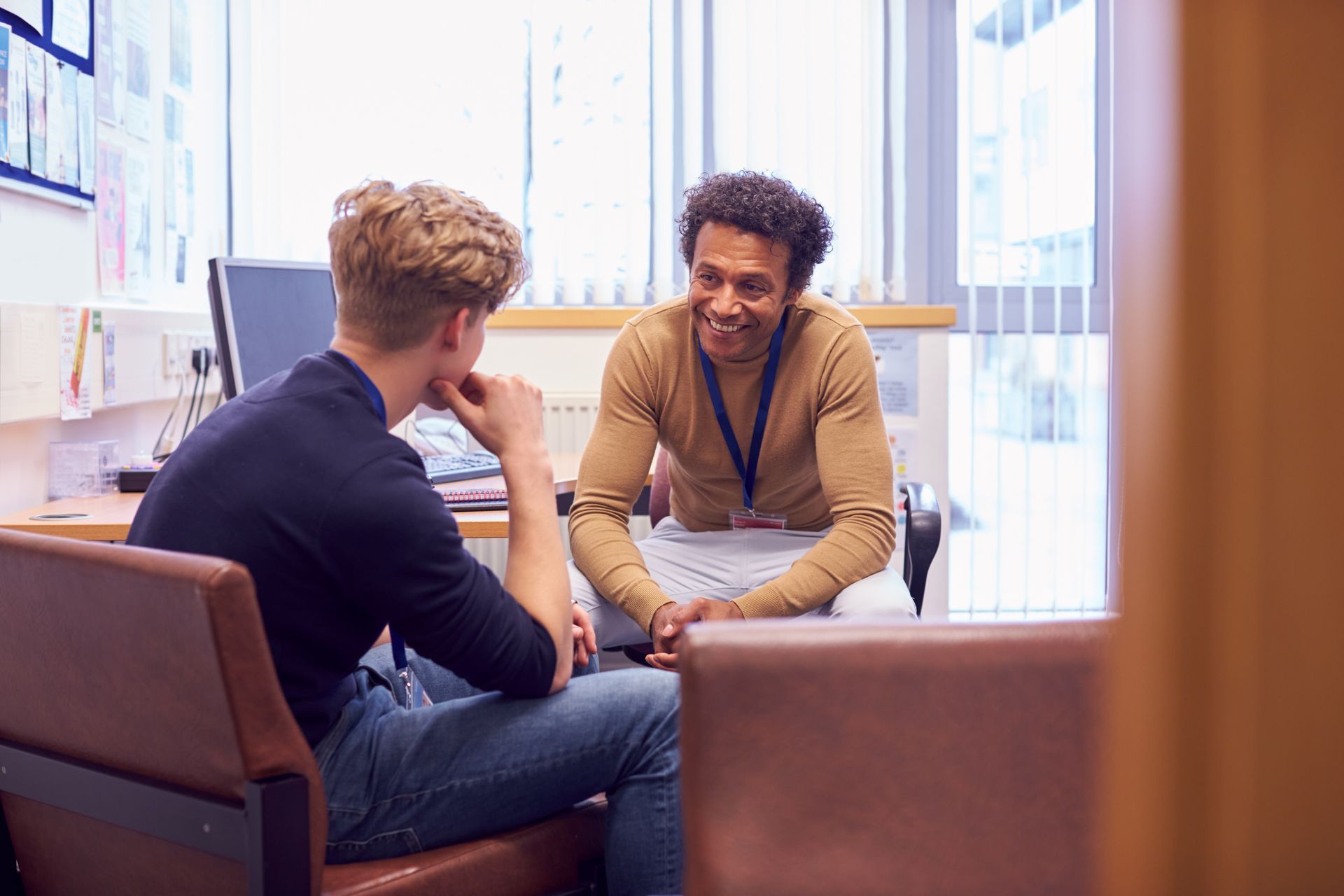
In this special education rights guide from an attorney, learn what accommodations the law guarantees, how IEPs and 504 plans work, and advocacy tips.
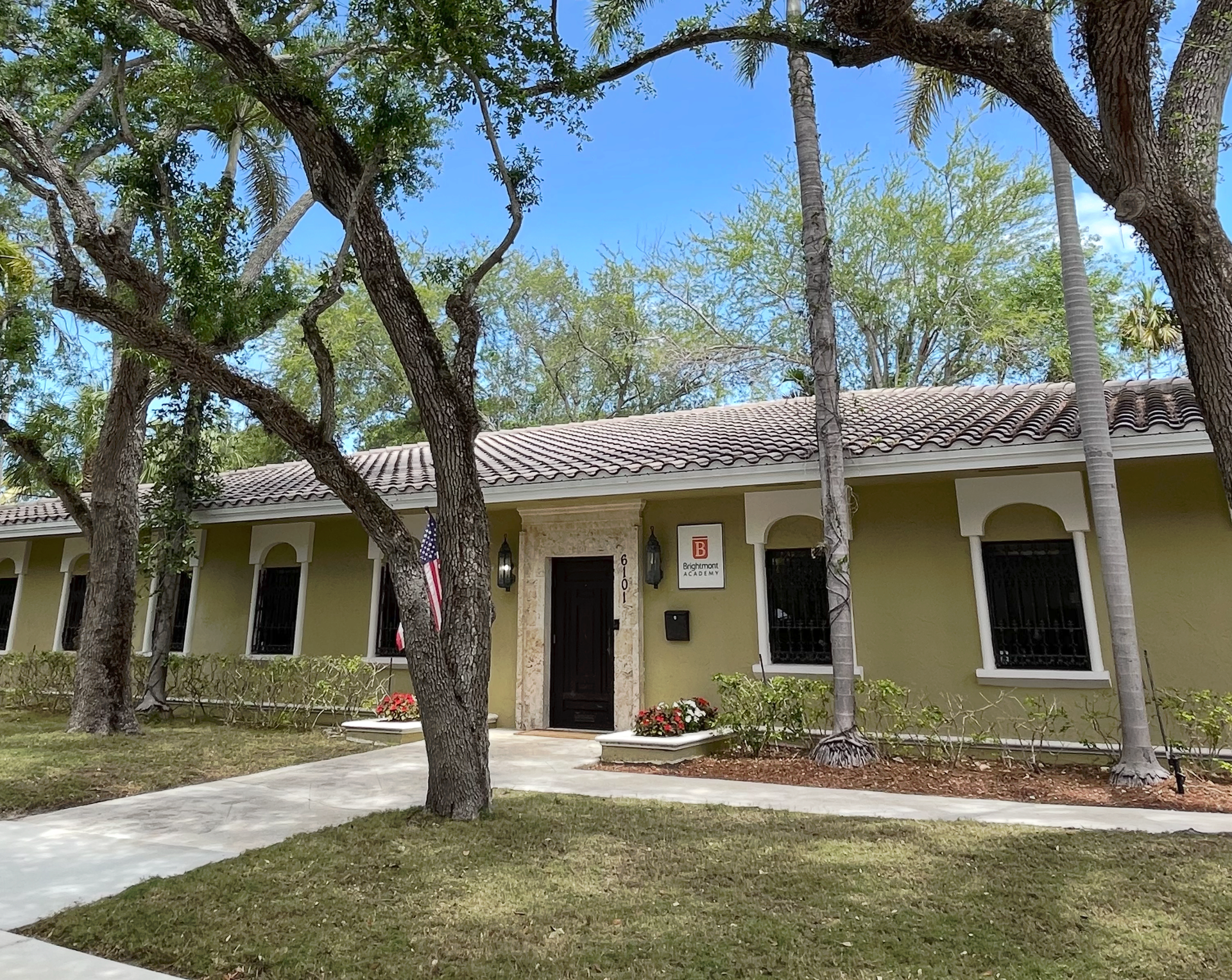
Brightmont Academy is expanding its Miami private school campus, adding classrooms to serve more families seeking personalized, one-to-one instruction.