Tony Beals is the VP of Admissions and Enrollment Solutions at Brightmont Academy. Tony has extensive experience as both a parent and an educator working with students from an array of backgrounds including those with anxiety, depression, ASD, ADHD, and ODD. He has been in the education industry for over 25 years and has been involved as a teacher, consultant, manager, and leader.
Know, Care, Teach: A Pattern I Keep Seeing in Schools and Homes
Tony Beals • April 28, 2026
I’ve been in a lot of parent conferences over the last couple of weeks, and the same pattern shows up again and again. When things are working at school, they usually start working at home too. When a student feels safe and successful in their academic part of their lives, they will experience less stress, less conflict, and more stability in their day-to-day. However, when things aren’t working at school, families feel it everywhere. Students come home and head straight to their room to “decompress” or grab a blanket and "turtle". They are exhausted from navigating the hours they are engaged at school, overstimulated, and undervalued. That connection is hard to ignore.
I also work with a lot of neurodivergent students who have had difficult experiences in school and don’t always see themselves as successful learners yet, and have shut down at home.
Which is why I don’t think education is just about academics, and realistically, it never really has been. It is shown in behavior, in relationships, in how a home feels when a student walks through the door. That’s the part that matters most and where I feel like I have truly succeeded as an educator.
And when I look at what actually moves the needle, it’s not complicated.
Know your students more than just at the surface level. Actually understand how they think, what they need, what interests them, and what’s getting in the way.
Care about them, but if that isn’t real, everything else falls apart. Students know the difference immediately and will most likely check out the minute they enter the classroom.
Teach based on that understanding. Not just pacing guides or coverage, but what this specific student actually needs next.
That’s what changes outcomes for students and families. It’s not programs, slogans, or textbooks. This reflects the approach we take at Brightmont Academy with students and families and why I love what I do.
In the end, teachers who take the time to see their students clearly, allow the students to also understand the teacher as a person, and respond accordingly, will find that it will change them as educators, as students, and as families. And in most cases, families feel that change long before anything shows up on a report card.
This article was first published as part of "Table Talks with Tony" newsletters, written by Tony Beals, VP of Admissions at Brightmont Academy and author of the upcoming book, The Education Paradox.© 2025 Tony Beals.

More Blog Posts, News & Webinars
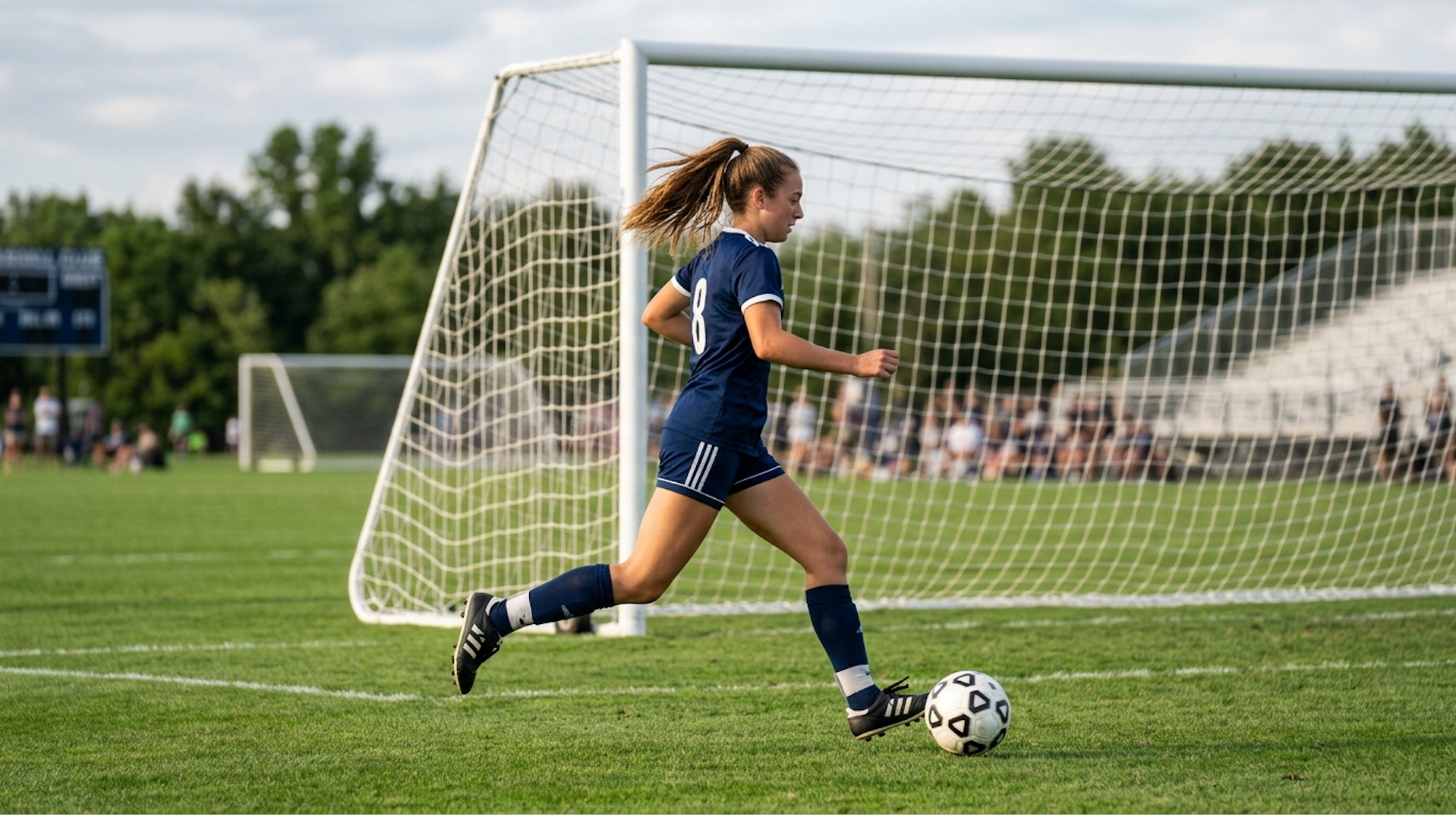
Learn how flexible accredited high school programs for athletes help students balance their academic goals with their passion for their extracurricular sport.
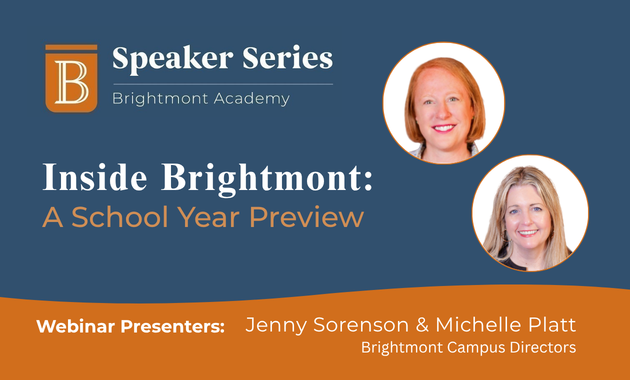
Get a closer look at one-to-one instruction and how personalized learning can be tailored to different students, schedules, and goals.

Tutoring for ADHD goes beyond basic review to accommodate unique learning needs. Discover how personalized instruction and executive functioning support help.
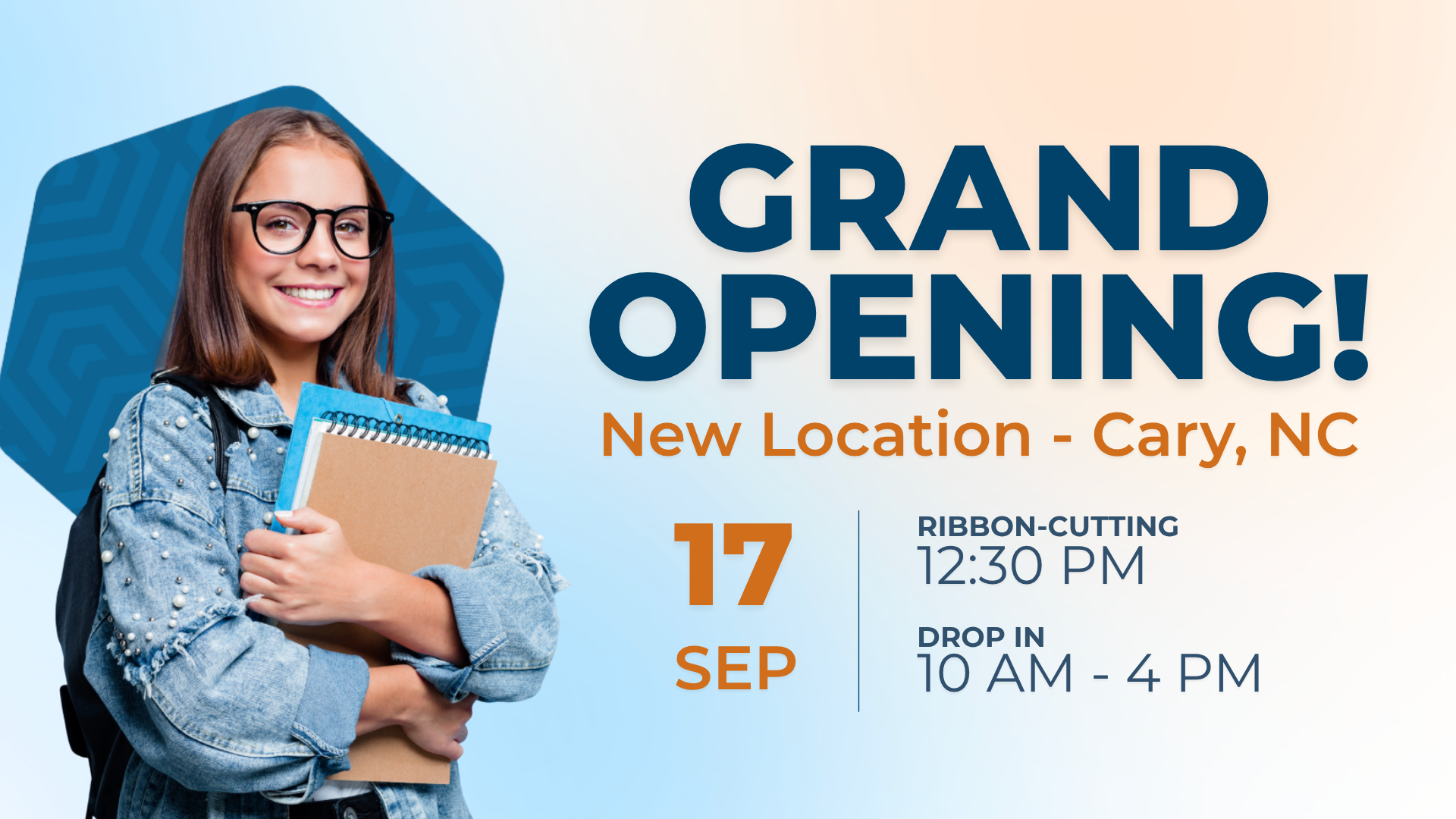
Brightmont Academy's newest campus, its second in North Carolina, is now open and enrolling students in Cary.
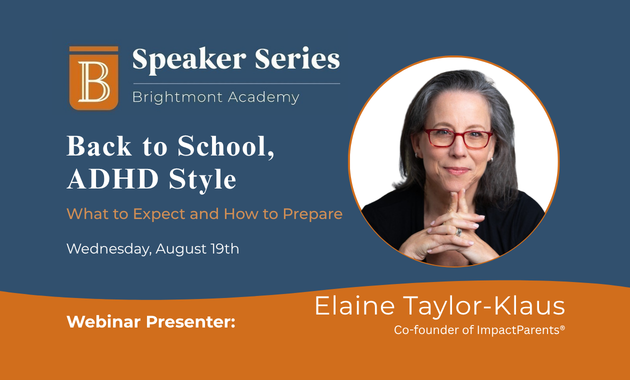
Brightmont Academy Speaker Series

Looking for the right educational environment to support your child’s mental and emotional wellbeing? Discover crucial accommodations for students with anxiety.

Anxiety can have a profound impact on student learning. Discover strategies and resources to support your child's mental and emotional wellbeing in this guide.

In this special education rights guide from an attorney, learn what accommodations the law guarantees, how IEPs and 504 plans work, and advocacy tips.
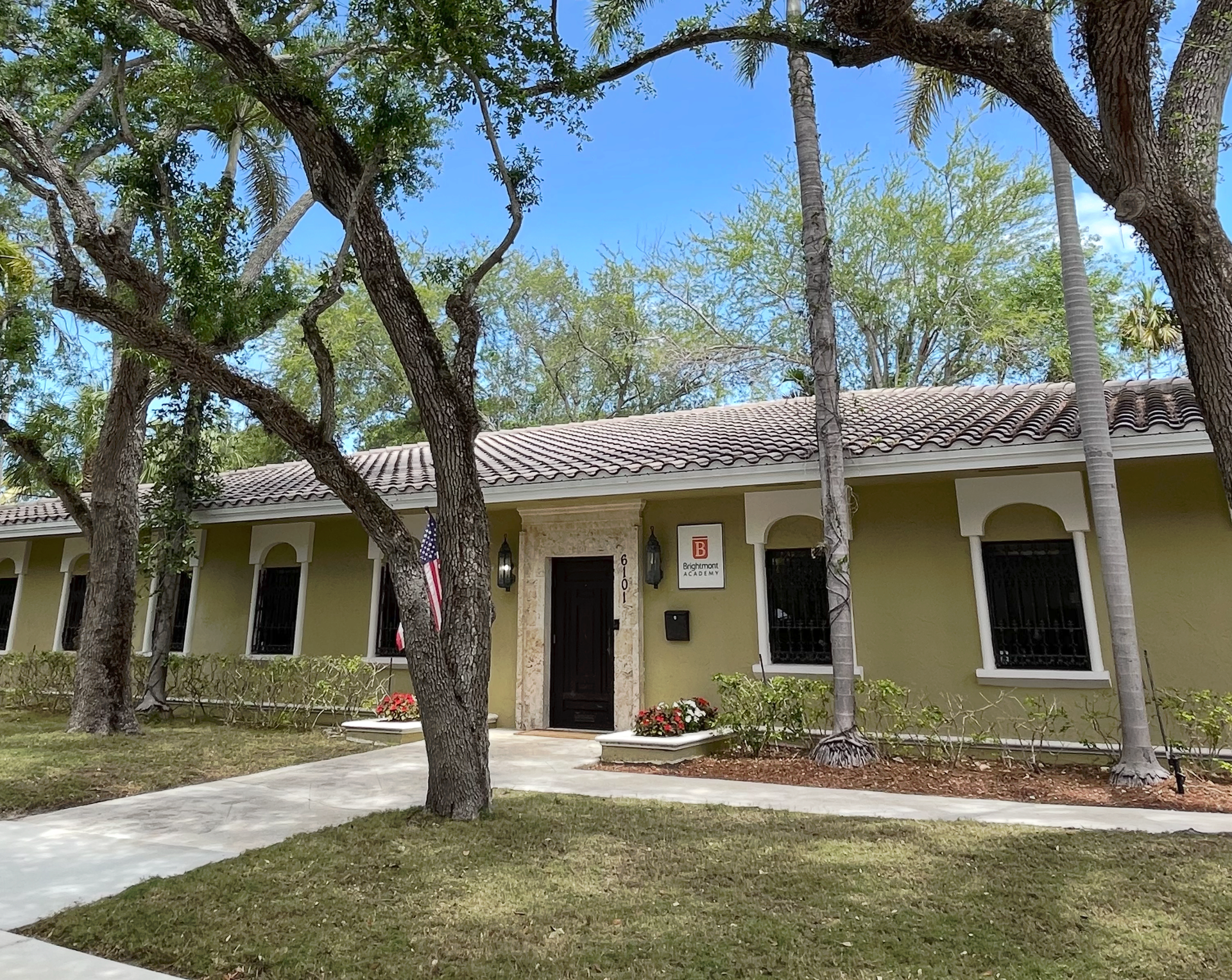
Brightmont Academy is expanding its Miami private school campus, adding classrooms to serve more families seeking personalized, one-to-one instruction.