Karrie Wozniak is a growth-focused marketing executive leading brand, enrollment, and growth initiatives at Brightmont Academy, helping expand a mission-driven, one-to-one learning model across 25 campuses in 10 states. Passionate about personalized education, Karrie knows firsthand the difference it makes. Karrie holds a BS from Purdue University and an MBA from DePaul University, and is committed to building brands and initiatives that create impact.
11 Types of Alternative Schools Helping Students Thrive
Karrie Wozniak • March 25, 2026
Traditional classrooms aren’t always designed to meet every student where they are. Large class sizes and impersonal teaching methods can leave many students feeling disengaged, overwhelmed with the curriculum, or sometimes under-challenged.
Alternative schools help students
find the right fit that supports their unique academic and social needs and builds the confidence they need to thrive. In this article, we’ll explore:
Help your child achieve more with personalized education.
Frequently Asked Questions
What is an alternative school?
An alternative school is an educational setting that utilizes non-traditional curricula or teaching methods. These schools often feature smaller class sizes, specialized academic focuses, or distinct pedagogical philosophies designed to serve students whose needs are not being met by standard public schools.
Who benefits from a nontraditional school?
A nontraditional school benefits a wide range of students. Alternative schooling is a popular choice for many students, including advanced learners needing more rigorous pacing, students with learning differences requiring specialized support, individuals seeking flexible scheduling due to extracurricular commitments, or students who simply perform better in environments that prioritize hands-on or student-led learning.
Are alternative schools only for struggling students?
No. While some alternative schools exist for credit recovery or behavioral intervention, the vast majority of alternative schools serve a broad spectrum of learners, including high-achieving students seeking more challenge or flexibility.
Do nontraditional schools offer accredited diplomas?
Most do, though parents should always verify an institution's status. Public charter and magnet schools issue standard state diplomas. Brightmont Academy’s established private alternative school is nationally accredited by Cognia in addition to its regional accreditations. Brightmont credits and diplomas are accepted by top colleges and universities nationwide.
How do students transition from a nontraditional school to college?
Many nontraditional school models emphasize independent study, self-advocacy, and critical thinking, so these students frequently arrive on college campuses already equipped with the executive function skills necessary for academic success.
Brightmont students, in particular, benefit from one-to-one instruction that builds accountability and confidence. By gaining valuable skills, students form strong habits that support
college readiness and position them for long-term success in higher education.
96% of Brightmont students say their teachers make learning interesting for them.
Exploring 11 Types of Alternative Schools
1. Personalized Learning Schools
The mission of individualized learning schools like Brightmont Academy is to help every student succeed by offering them the personalized attention they need. With Brightmont’s one-to-one model, teachers can adapt their teaching methods to each student’s preferences and match the learner’s way of thinking and working.
Instruction tailored to the student in real time creates a learning environment where students can fully concentrate. This approach empowers deeper understanding by helping students master complex concepts in their own way, on their own time.
Benefits of individualized learning include:
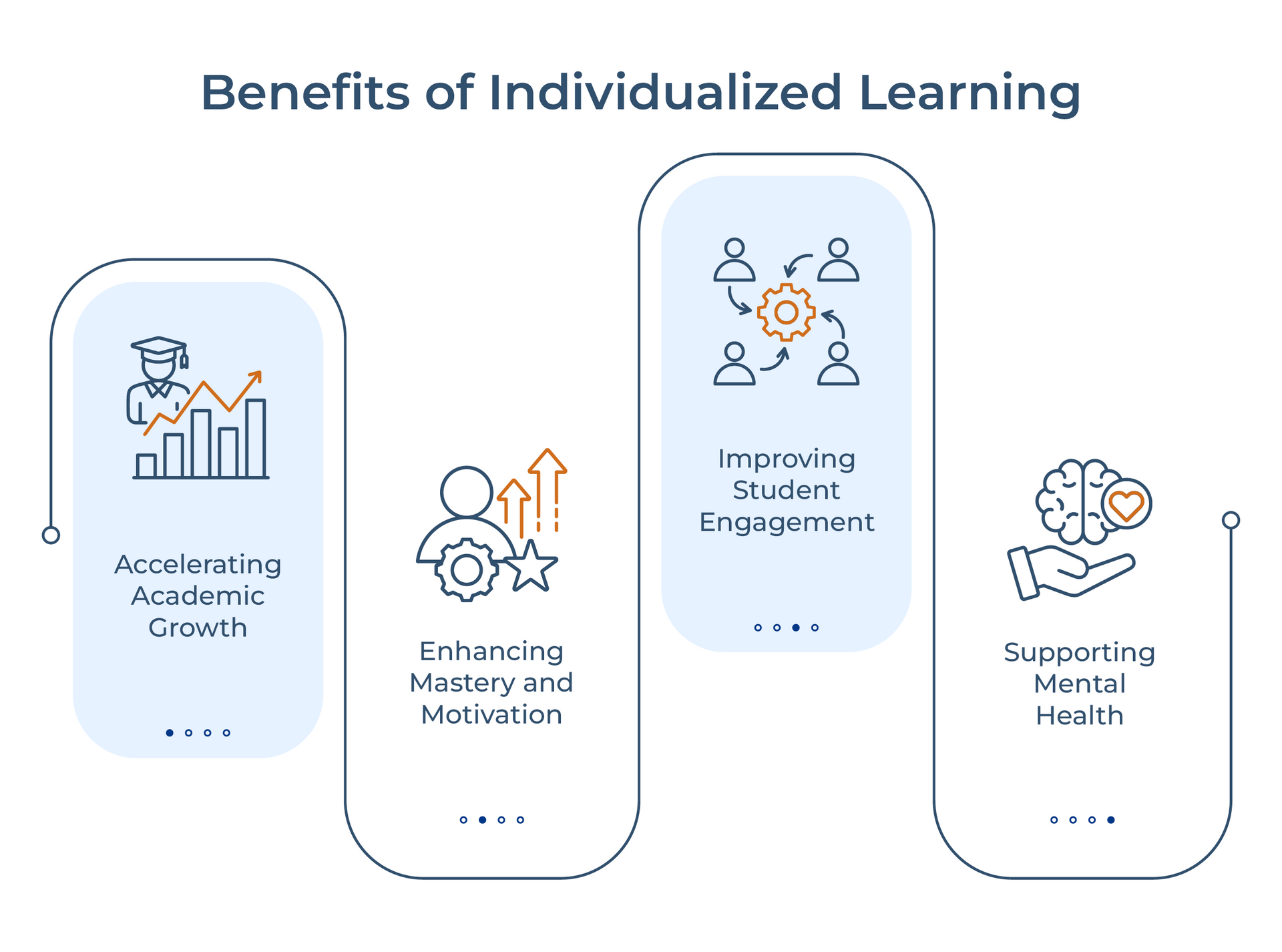
Accelerating Academic Growth
Personalized learning allows students to progress at their own pace, eliminating the need to wait for classmates or rush through difficult material. Research shows that individualized instruction can significantly accelerate academic progress by targeting specific skill gaps and strengths to work toward steady growth for the student.
Enhancing Mastery and Motivation
When students fully understand a concept before moving on, they build true mastery rather than surface-level knowledge. By aligning instruction with each student’s readiness level, learners can achieve mastery while continuing to challenge themselves. As students experience consistent progress and success, their intrinsic motivation increases.
Improving Student Engagement
Students are more likely to stay engaged, participate, ask questions, and stay focused when content feels relevant and achievable. Brightmont’s one-student-to-one-teacher model fosters active learning and meaningful interactions to encourage students to stay invested in their individual progress.
Supporting Mental Health
The stress often associated with the traditional classroom is reduced when students are placed in a supportive, low-pressure environment. Of the 73% of Brightmont students who have had anxiety about school, 70% report their anxiety has lessened—highlighting the emotional benefits of a personalized approach.
See how Brightmont’s personalized learning approach helped one underestimated student thrive outside a traditional setting:
Brightmont has helped students across the country maximize their academic, emotional, and social potential.
2. Montessori Schools
Developed by Dr. Maria Montessori in the early 1900s, this pedagogy focuses on hands-on learning and self-directed activity. Students follow their own curiosity instead of a rigid schedule, fostering independence and executive function. Over time, learners cultivate a sense of personal responsibility and intrinsic motivation within a carefully curated environment.
3. Waldorf Schools
Rudolf Steiner founded the first Waldorf school in 1919, emphasizing a holistic approach that integrates intellectual, practical, and artistic development. Lessons often blend academics with music, movement, and visual arts to create a more immersive experience. An early education prioritizing creativity often results in students reaching high levels of creativity, strong narrative memory, and a deep appreciation for the arts.
4. Reggio Emilia Approach
Originating in Italy after World War II in an effort to rebuild the education system, the Reggio Emilia approach views children as capable and resilient. Classrooms lean into collaborative skills and project-based exploration, where students work together to explore complex concepts. The primary benefit of this nontraditional school model is the development of critical thinking from an early age.
5. Democratic Free Schools
Rooted in the Sudbury model established in the 1960s, democratic free schools give students complete autonomy over their education. There is no formal curriculum, so students decide what, when, and how they learn, and participate equally in school governance.
This level of autonomy can foster independence, self-direction, and strong decision-making skills. Unlike personalized learning schools, however, academic structure and guided instruction are minimal.
6. Magnet Schools
Magnet schools emerged in the U.S during the 1970s as a tool for public school desegregation, drawing students from across district boundaries for specialized programs. The pedagogy focuses heavily on specific themes like STEM, performing arts, or global studies. Students gain access to unique resources alongside peers who share their specific academic or career interests.
92% of Brightmont students are accepted to their first-choice college.
7. Charter Schools
First introduced in the early 1900s, charter schools receive public funding but operate independently of the traditional school system. Their main benefit is flexibility; successful charter schools can quickly adjust teaching methods, curricula, and programs according to academic data and community needs.
8. Blended and Virtual Schools
The rise of the internet enabled the creation of virtual schools, which combine asynchronous learning with live digital instruction. Other alternative schools, like Brightmont, make use of modern technology while still offering in-person support and engagement. This approach offers unparalleled flexibility, making it ideal for student-athletes, performers, or those managing health conditions.
9. Forest and Nature Schools
Inspired by Scandinavian education models, these schools use the outdoors as the primary classroom. Students learn through hands-on, experiential activities that promote exploration and problem-solving. Research links outdoor education to reduced stress levels, improved motor skills, and an enhanced ability to focus.
10. Therapeutic Boarding Schools
Designed for students facing emotional, behavioral, or substance abuse challenges, therapeutic boarding schools combine academics with counseling and life-skills development. By removing students from their normal environments and providing consistent structure, these programs can help students achieve breakthroughs. However, they are generally considered a last resort, and many have criticized certain underregulated “troubled teen industry” institutions.
11. Homeschooling
Homeschooling shifts the primary responsibility of education directly to the family. Some families may follow structured curricula, while others choose “unschooling,” which abandons formal lessons in favor of student-led learning, or “worldschooling,” which uses travel and cultural immersion as the foundation for education. Similar to a personalized learning school, this offers total customization, but it requires a parent or guardian to invest completely in their child’s education.
How to Choose an Alternative School
Finding the right school for your student means looking for a setting that nurtures their individual strengths and potential. Budget and class size all matter, but what really counts is choosing a school where your child can thrive, not just get by.
Consider how they learn best, the kind of personalized support they need, and what environment will keep them engaged for long-term growth. To make your search easier, explore our interactive quiz that breaks down the different alternative school models and see which approach might be the perfect fit for your student and family.
Conclusion
Education isn’t one-size-fits-all, and today’s range of alternative school options reflects that. The key is finding an environment that not only meets your student’s academic needs but also bolsters their confidence, supports their independence, and fosters a genuine love of learning.
When a student finally accesses the right learning environment for them, they’re more likely to stay engaged, build momentum, and develop skills that extend far beyond the classroom—reaching their full potential, in every sense of the word.
Ready to transform your child's education?
Brightmont's campuses across the country have helped students like yours increase their confidence and achieve more.

More Blog Posts, News & Webinars

Learn how flexible accredited high school programs for athletes help students balance their academic goals with their passion for their extracurricular sport.
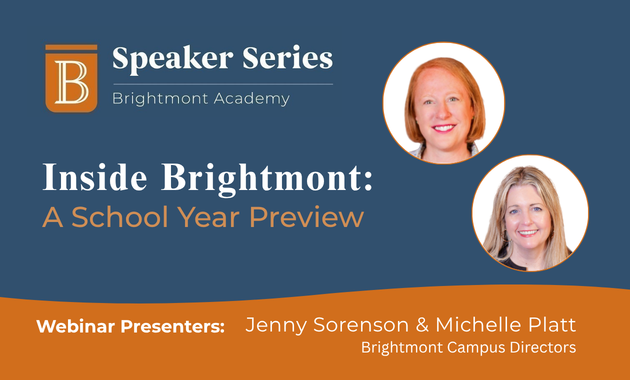
Get a closer look at one-to-one instruction and how personalized learning can be tailored to different students, schedules, and goals.

Tutoring for ADHD goes beyond basic review to accommodate unique learning needs. Discover how personalized instruction and executive functioning support help.
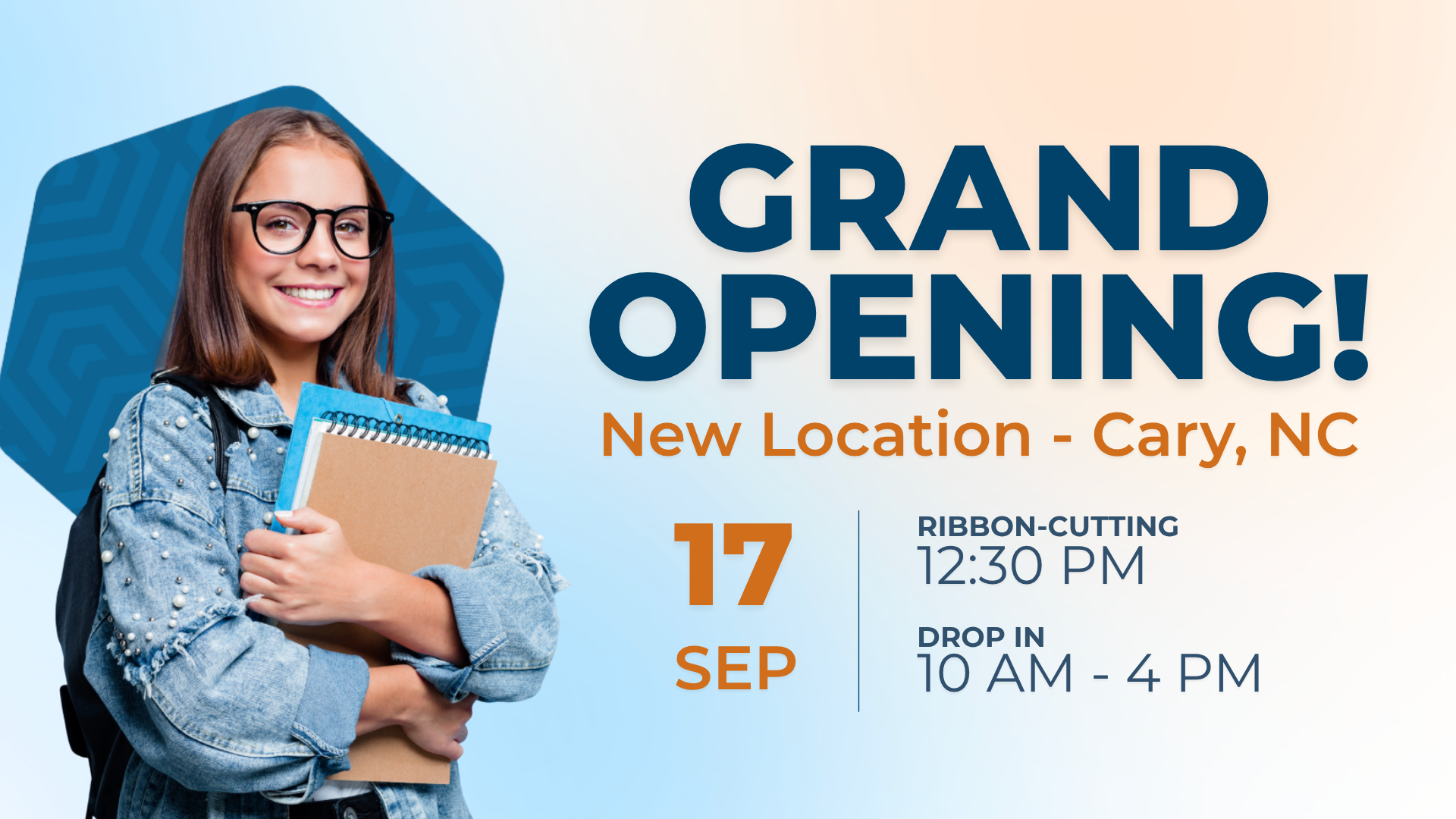
Brightmont Academy's newest campus, its second in North Carolina, is now open and enrolling students in Cary.
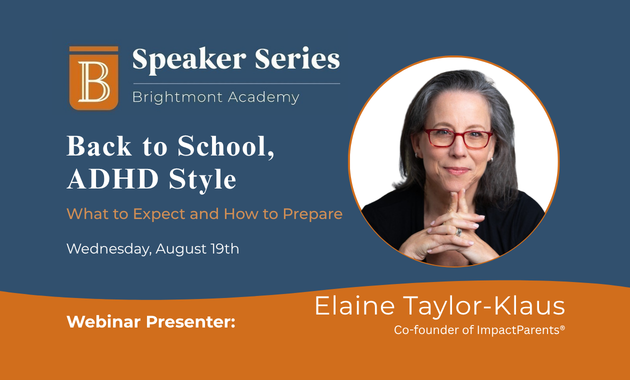
Brightmont Academy Speaker Series

Looking for the right educational environment to support your child’s mental and emotional wellbeing? Discover crucial accommodations for students with anxiety.

Anxiety can have a profound impact on student learning. Discover strategies and resources to support your child's mental and emotional wellbeing in this guide.

In this special education rights guide from an attorney, learn what accommodations the law guarantees, how IEPs and 504 plans work, and advocacy tips.
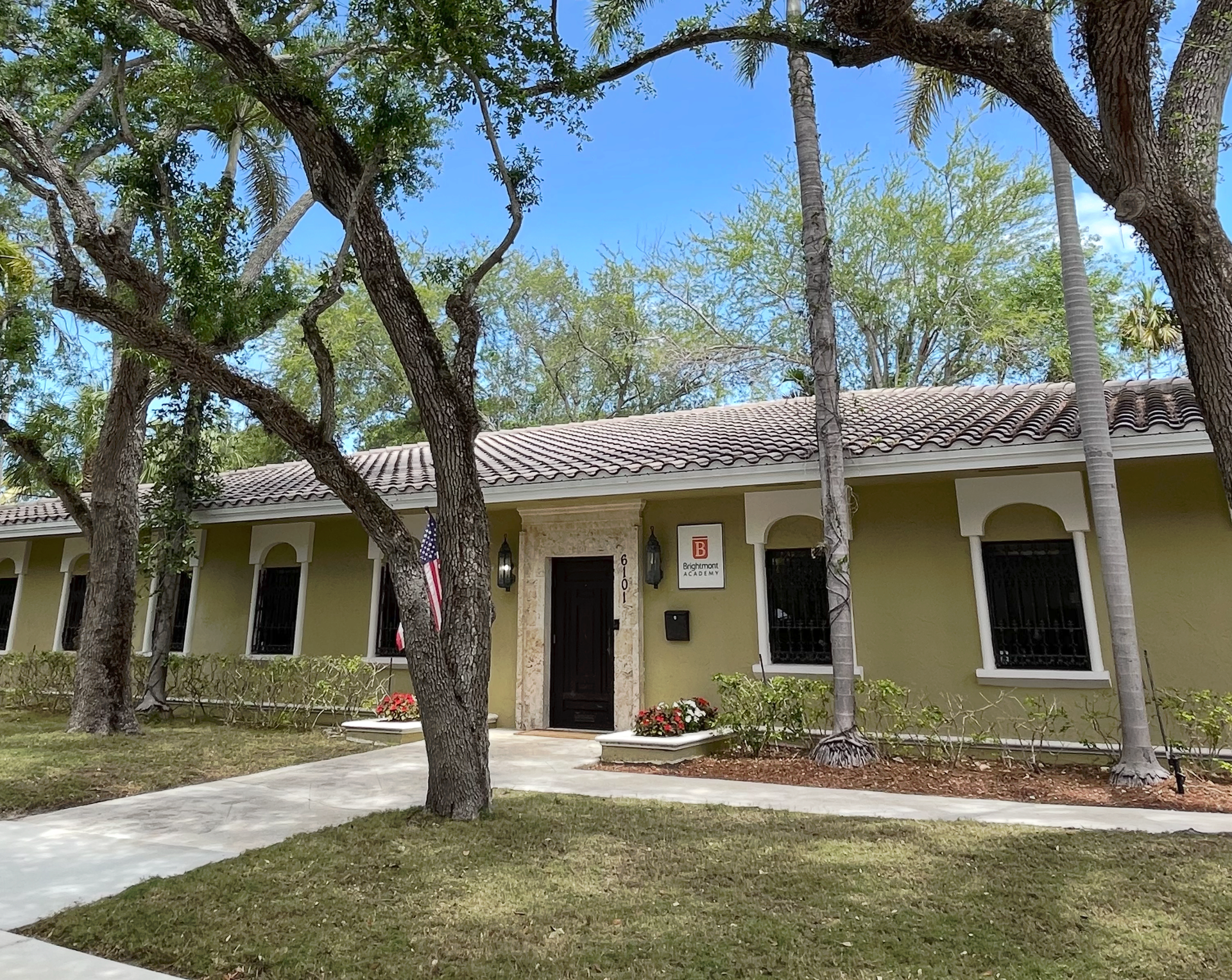
Brightmont Academy is expanding its Miami private school campus, adding classrooms to serve more families seeking personalized, one-to-one instruction.