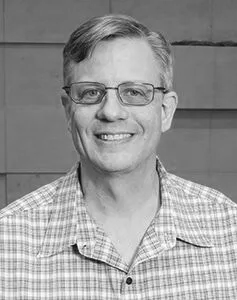
Tony Beals is the VP of Admissions and Enrollment Solutions at Brightmont Academy. Tony has extensive experience as both a parent and an educator working with students from an array of backgrounds including those with anxiety, depression, ASD, ADHD, and ODD. He has been in the education industry for over 25 years and has been involved as a teacher, consultant, manager, and leader.
When Learning Finally Starts to Fit - A Reflection as a Student and a Teacher
Tony Beals • April 2, 2026
When I brainstorm how to effectively teach a lesson or class, I brainstorm back to when I was a struggling student.
I’d start out engaged, sometimes even excited, and then somewhere along the way something would change. I’d go quiet, sometimes drift, some would say I would check out. From the outside, it probably looked like I stopped trying.
But that’s not what was happening.
The learning stopped connecting with me. I didn’t know how to explain it at the time. I just knew that sometimes things clicked and sometimes they didn’t, and when they didn’t, it felt like I was the problem and as a student, that fed anxiety, which made things worse. Like I just needed to focus more or try harder or keep up better.
Looking back now, it’s a lot clearer that it wasn’t about effort. It was about learning environment.
Sometimes the pace of the lesson didn’t match how I processed it. For example, If it moved too slow, I’d lose interest. If it moved too fast, I’d get lost and never really catch back up. And I could sit in the same classroom as everyone else and have a completely different experience, even though on the surface it all looked the same.
Other times it was how the lesson was being taught. If everything came through one way, just listening or just reading, there were moments where it just didn’t land. It would pass right by instead of stick. Not because I couldn’t understand it, but because it never really connected.
I know now that I wasn’t the only one having that experience, but I was just one version of it.
That’s why the conversation around flexible pacing and multi-sensory learning matters more than we sometimes realize. Not as strategies to add on, but as ways to make learning actually reach more people.
Because when the pace can stretch or slow depending on the learner, more students stay with it. And when learning comes through more than one instructional pathway or modality, when you can see it, hear it, talk through it, interact with it, it gives more than one way in. You don’t have to guess who needs what. More students just… connect.
It took me a long time to realize that what I was experiencing had a name. Neurodiversity. Not as a label, but as a way of understanding that brains don’t all work the same way.
Some learners need movement to stay engaged. Some rely on visual input. Some need time to process before they respond. Some think out loud. Some are inspired by creative uses of technology. None of that is unusual, but a lot of it still doesn’t fit neatly into how learning is typically structured.
So when a student struggles, we tend to look at the learner first. But a lot of the time it’s not the learner. It’s the mismatch and over time, that mismatch can start to shape how a student sees themselves.
I had one teacher who started to change that for me. Mrs. St. Claire. I’ve mentioned her before, but she was the first teacher who really seemed to understand how I learned, even before I could explain it myself. She didn’t make a big deal out of it. She just adjusted. The pace felt different in her classroom. There were more ways to engage and I didn’t feel as boxed in.
More than anything, I felt like I could actually be in a classroom without constantly trying to keep up or catch up.
That experience has stayed with me, and honestly, it’s a big part of why the work I do now matters to me.
At Brightmont Academy, I see that same idea play out every day. When learning is built around the student instead of forcing the student to fit the system, light bulbs start lighting up. The pace moves with the student’s level of mastery and focus, The approach shifts into more than one modality, and students who were used to surviving in school start to actually engage again.
And that brings me to something I think matters even more than pacing or strategy.
Safety.
Not just physical safety, but the kind of safety where you’re not constantly worried about getting it wrong or falling behind or being exposed. The kind of environment where your brain isn’t in protection mode.
Because when learning doesn’t feel safe, none of the rest of it really works.
That’s when you see students shut down, avoid, or push back. Not because they don’t want to learn, but because learning hasn’t felt like a safe place to be. I know what that feels like, because for a long time I was that student.
When that sense of safety is there, things start to open up. You’re more willing to try and you stay with things longer. You don’t feel like every moment is a test of whether you’re keeping up.
And that’s when things like flexible pacing and multisensory learning actually start to do what they’re supposed to do.
I think sometimes we assume supporting different kinds of learners means doing more. More interventions, more plans, more layers. But a lot of the time it’s not about doing more. It’s about thinking differently from the beginning with the end in mind.
Letting learning evolve a little. Letting it come through more than one instructional pathway. Paying attention to whether the environment actually feels safe enough for a student to engage in the first place.
When a student isn’t engaging, it’s easy to ask why they aren’t trying or why they don't fit that class, but a better question might be whether the learning actually fits them.
Because when it does, you don’t have to force engagement, because it comes out naturally.
This article was first published as part of "Table Talks with Tony" newsletters, written by Tony Beals, VP of Admissions at Brightmont Academy and author of the upcoming book, The Education Paradox.© 2025 Tony Beals.
More Blog Posts, News & Webinars
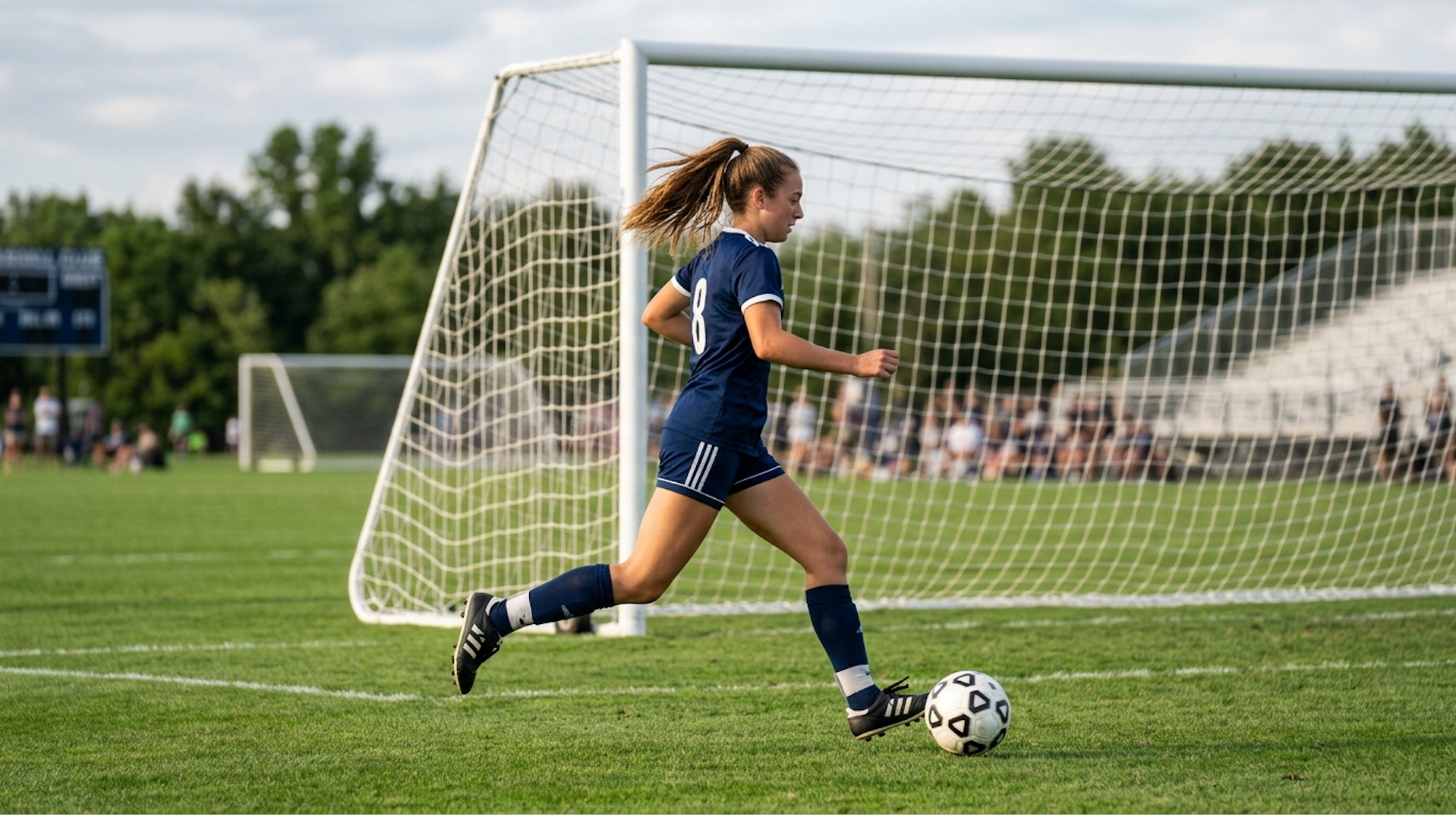
Learn how flexible accredited high school programs for athletes help students balance their academic goals with their passion for their extracurricular sport.
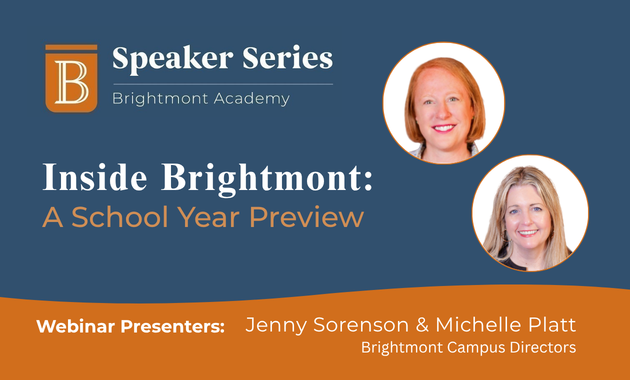
Get a closer look at one-to-one instruction and how personalized learning can be tailored to different students, schedules, and goals.

Tutoring for ADHD goes beyond basic review to accommodate unique learning needs. Discover how personalized instruction and executive functioning support help.
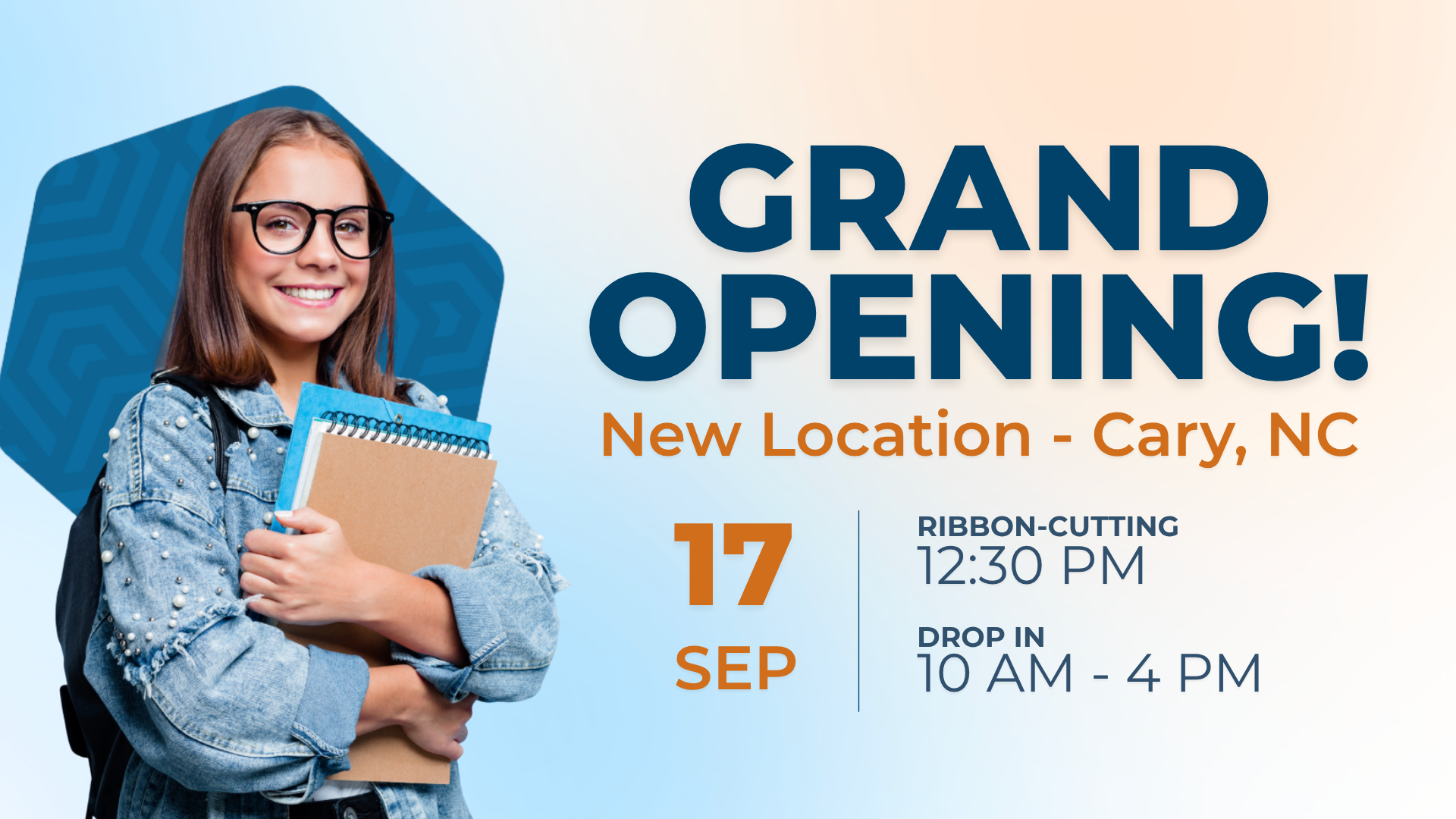
Brightmont Academy's newest campus, its second in North Carolina, is now open and enrolling students in Cary.
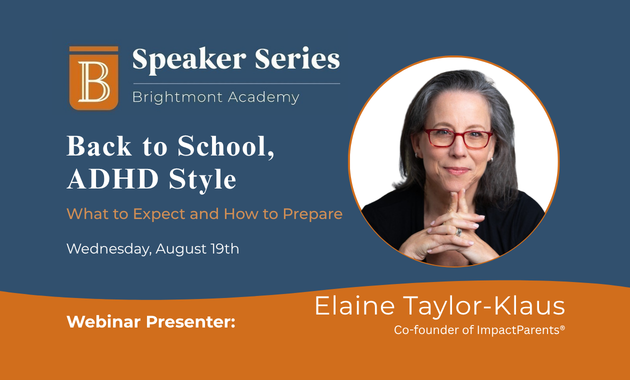
Brightmont Academy Speaker Series

Looking for the right educational environment to support your child’s mental and emotional wellbeing? Discover crucial accommodations for students with anxiety.

Anxiety can have a profound impact on student learning. Discover strategies and resources to support your child's mental and emotional wellbeing in this guide.

In this special education rights guide from an attorney, learn what accommodations the law guarantees, how IEPs and 504 plans work, and advocacy tips.
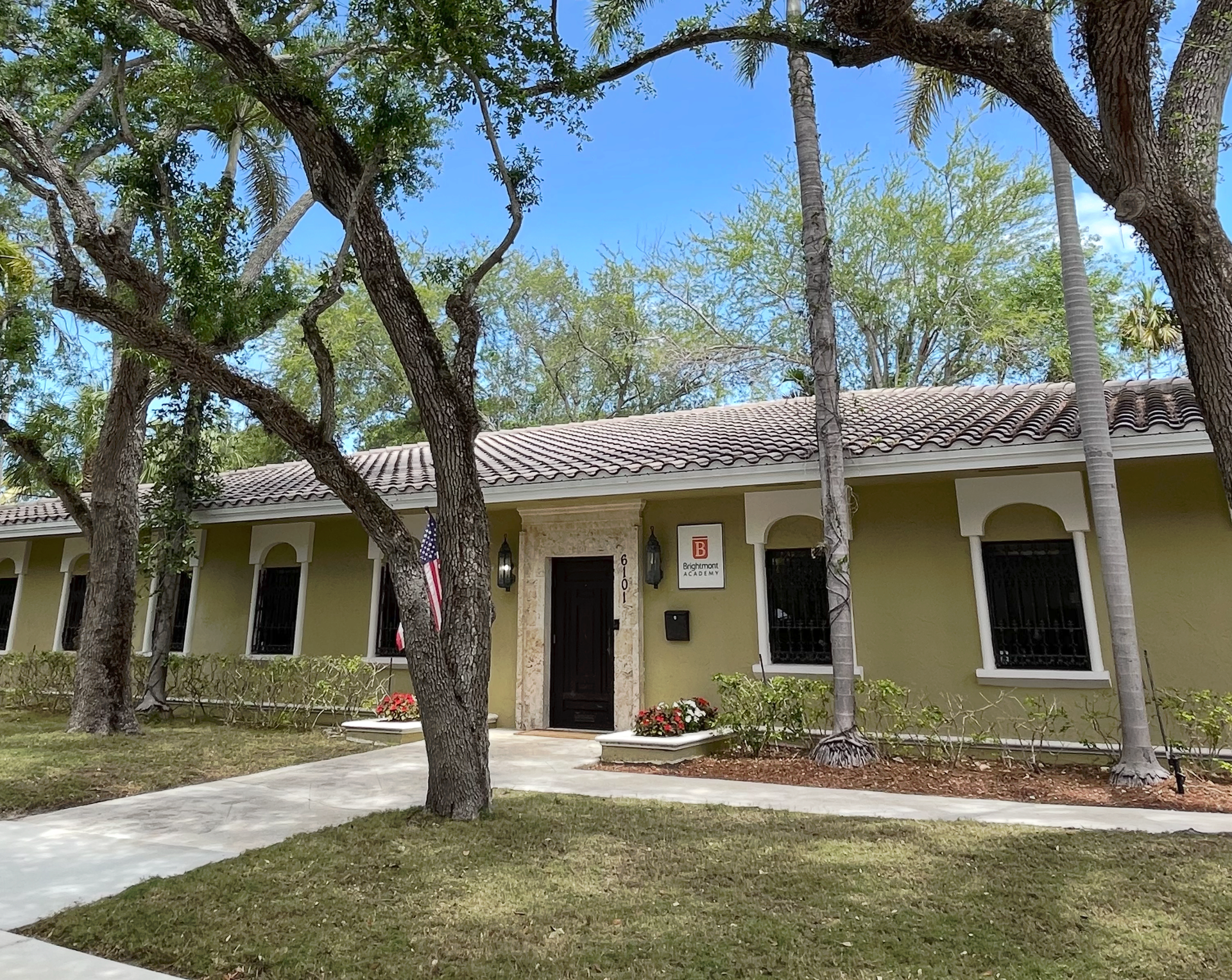
Brightmont Academy is expanding its Miami private school campus, adding classrooms to serve more families seeking personalized, one-to-one instruction.