The Importance of Prioritizing Engagement Over Compliance

Barb Farland • April 16, 2025

The Importance of Prioritizing Engagement Over Compliance

Charlotte Mason was a 19th-century Christian educator who continues to make her mark among teachers. She probably put it best when it comes to one of the most noble aims of education…

"The question is not, -- how much does the youth know? when he has finished his education -- but how much does he care?”


Unfortunately, many schools prioritize the parroting of facts and figures among their students over nurturing a genuine curiosity for how the world works, what beauty it holds, and how all people can make a difference. In other words, more often than not, such schools prioritize compliance over engagement, and students suffer for it. 

So what is the difference between compliance and engagement? How does true engagement happen? And what kind of school nurtures students who truly care about life and the world around them? Let’s take a look…


Compliance vs. Engagement

When schools value compliance, their expectations revolve around rules. Of course, there’s nothing wrong with rules—we can only imagine the mayhem that would ensue if rules weren’t part of the experience. But compliance takes a devastating turn when students simply abide by rules in order to avoid negative consequences. In turn, such students can easily fly under the radar and operate out of a survivalist mentality. For them, academics feel necessary but flat, and end up being just the means to an end: a diploma. 

In contrast, engagement is about personalizing academic concepts and discovering an inner motivation to learn—truly learn—more. It means not only completing assignments and striving for good grades, but also savoring the material: examining it, discussing it, asking questions about it, forming opinions about it, etc. In other words, engagement is active and much more likely to make a lasting difference.


What Engagement Looks Like

Intentionality is at the heart of student engagement. So is a holistic, relational approach. More specifically, an environment that values authentic engagement:

  • Honors self-advocacy & student buy-in - It promotes self-awareness—knowledge of how I think, how I feel, how I work best—and communicating those needs, preferences, etc., in a constructive way in the classroom. This also sets up a student to weigh in on goal setting, as well as the processes to follow in accomplishing those goals.

  • Presents challenging work - Though some students are hesitant at first to share how they’re confused, struggling, etc., such questions fuel deep and engaged learning. Challenging coursework leads to problem solving, contextual analysis, and other skills that serve students well for years to come.

  • Employs attentive, strategic teachers - There’s no such thing as just going through the motions when it comes to teaching. Real teaching isn’t happening if this is the case. Engagement goes both ways in the classroom; engaged teachers offer relevant support and use thoughtful strategies that address each student’s specific needs.

  • Considers the bigger picture - As Mason said, learning should trigger a sense of caring, thus engaged students are forward-thinking and consider how their academics will help them contribute to society and lead a fulfilling life for the long term. Good schools don’t neglect their responsibility in championing this mindset.

  • Remains flexible & adjusts as needed - Everything is temporary. Change is necessary. And student life is not exempt from both of these realities. Meaningful engagement requires flexibility as student needs and preferences shift.

Where Engagement Happens

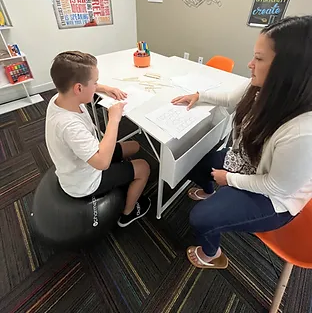
Though many schools pride themselves on engaging their students, Brightmont Academy —the nation’s “one-to-one school”—is among the very few that have built its whole educational model upon this aim. Because all classes are conducted between one instructor and one student, there’s no way around not only requiring compliance, but also seeking and accomplishing meaningful engagement. There’s no fading into the background at Brightmont.
Perhaps the easiest way to demonstrate Brightmont’s commitment to engagement is through the school’s six values:


  • Student care - It starts with student needs. Since many of Brightmont’s students come with diagnosed learning differences, it’s crucial to be honest about their strengths and struggles, and what those characteristics mean for their studies.


  • Culture - However, no matter a student’s background, Brightmont believes that every student can succeed. With this value at the forefront of the school’s culture, students gain confidence in who they are and what they can do.


  • Instruction - Meaningful engagement often entails sharing and conversation with others. At Brightmont, each student gets the undivided attention of their teachers as they review, process, and discuss material together.


  • Communication - Be it communication between teachers, or with students, parents, or other stakeholders, Brightmont advocates for “proactive, honest, and regular dialogue; being active listeners; [and] respecting the opinions of others.” In other words, the school values engaging all parties in positive, constructive ways.


  • Outcomes - Goal-setting is the premise of this value. At Brightmont, this means constant improvement and progress monitoring, all while engaging students and their families in this continual process of reassessing and adjusting.


  • Leadership - Brightmont sets high expectations for itself and its students. But educational excellence is much more than providing rigorous coursework and expert teaching. It’s about maximizing that coursework and teaching for the long term so that students can lead fulfilling, productive lives.

Compliance is important in all kinds of scenarios, but engagement is critical as the mark of quality education. Today’s students deserve this, and schools like Brightmont can give it. In the end, students possess the lifelong skills to successfully engage with the world around them and to continue to learn and grow.


Source:

https://www.facultyfocus.com/articles/effective-teaching-strategies/10-ways-to-promote-student-engagement/

Barbara Farland is an English & Social Studies instructor at Brightmont Academy in Plymouth, Minn. She holds a master’s degree in Business Communication from the University of St. Thomas and, prior to pursuing a second career in education, worked as an award-winning public relations and communications professional in both the corporate and nonprofit sectors. As a “storyteller by nature and teacher at heart,” Barbara continues to contribute to various anthologies, among other writing projects. 

More Blog Posts, News & Webinars


July 27, 2026
Brightmont Academy Speaker Series
alt=
By Karrie Wozniak July 21, 2026
Traditional schools often overlook neurodivergent students. Learn how private schools meet their needs, and find the best schools for neurodivergent students.
alt=
By Rachel Pollock July 21, 2026
Finding the right school for learning differences is vital. Learn how individual attention and sensory-friendly spaces nurture academic growth and success.
alt=
By Aisha Walker July 15, 2026
Anxiety, depression, and bipolar disorder can deeply impact student learning. Discover the best schools for emotional disorders and how they help in this guide.
Student reading on the ground
By Dr. Elizabeth Adams July 8, 2026
In this guide from a board-certified neuropsychologist, you’ll learn what dyslexia is, how it affects the brain, and what literacy interventions actually work.
By Barbara Farland July 2, 2026
Students with ADHD often struggle to focus in school. Learn strategies for managing ADHD to help your child regain their academic confidence and learn more.
alt
By Rachel Pollock July 2, 2026
Choosing an online school for a gifted child? Explore the key factors, from mastery-based curriculum to expert instructors, to evaluate before enrolling.
student and teacher
June 29, 2026
Learn how Brightmont Academy's individualized, mastery-based learning empowers students to progress at their own pace after mastering each concept.
One student and one teacher in a classroom
By Rachel Pollock June 24, 2026
Looking for the best private school in Detroit? Discover the top institutions offering a customized curriculum that matches your child’s unique needs.
More Posts