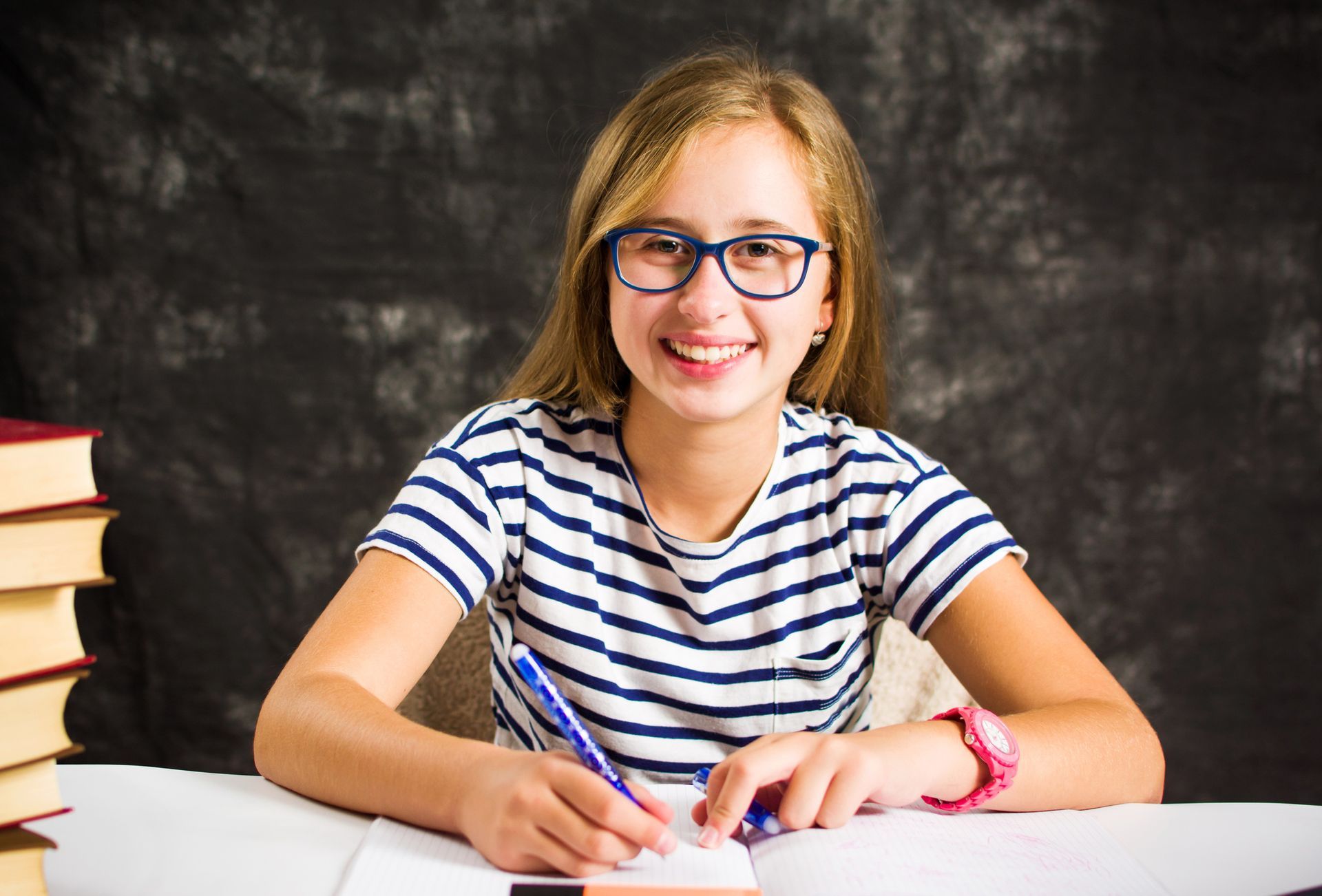
“Brightmont gave my daughter
confidence and helped her love learning
again.”
– Parent of 8th grader
400 E. Main St. Barrington, IL 60010
1-888-521-0887
inquiry@brightmontacademy.com
In recent years, many schools have become more sensitive to the particular needs of students with emotional disorders like anxiety. In fact, the majority of teachers now report that they frequently provide accommodations for students with anxiety.
However, there is also ongoing debate about which accommodations are actually helpful and when traditional classroom supports may not be enough. For some students, relatively small adjustments can make a meaningful difference, but for others, anxiety may be so closely tied to the traditional classroom environment that more significant changes are needed.
In this guide, we’ll cover the most common accommodations for students with anxiety so you can better understand which supports are most likely to help your child feel the most comfortable and be on track with their schooling.
School accommodations for anxiety are formal adjustments to the learning environment, instruction, or curriculum designed to reduce stress and panic triggers. These can include small interventions, such as working with educators to adjust assignment deadlines or testing formats, or big-picture shifts, such as switching to a more personalized learning environment to remove anxiety-inducing situations found in a traditional classroom.
The most effective accommodation is ultimately one that addresses the specific challenges a student is experiencing rather than simply applying the same solution to every student with anxiety.
Yes, your child can receive a 504 plan or an Individualized Education Program (IEP) when anxiety significantly impacts their educational performance. The eligibility process depends on the student’s individual circumstances and the requirements of their school district. To qualify, you must coordinate with pediatricians and therapists to provide formal diagnoses and actionable recommendations.
The most effective classroom accommodations for anxious students directly address the situations that trigger their anxiety.
Depending on the student’s needs, accommodations may include:
The goal is not to remove academic expectations. Instead, effective accommodations help remove unnecessary barriers so students can demonstrate what they actually know and can do.
If standard accommodations are not improving your child’s school experience, it may be time to reevaluate the current support plan and determine whether the classroom environment itself is contributing to the problem.
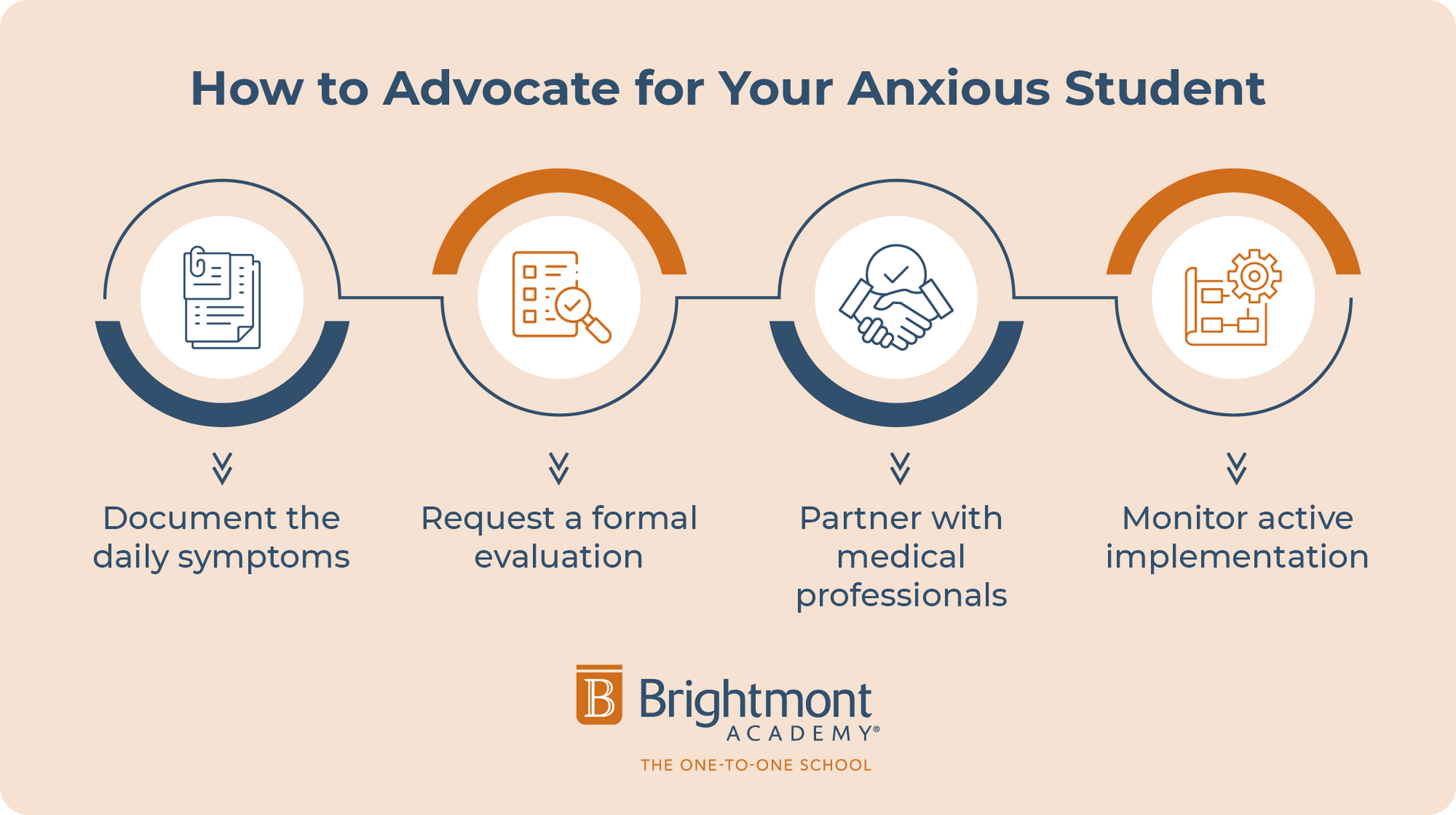
Advocating for your anxious student starts with understanding how their symptoms affect their day-to-day school experience. Talk to your child about what situations make them feel anxious and what they need to calm themselves down.
From there, you should:
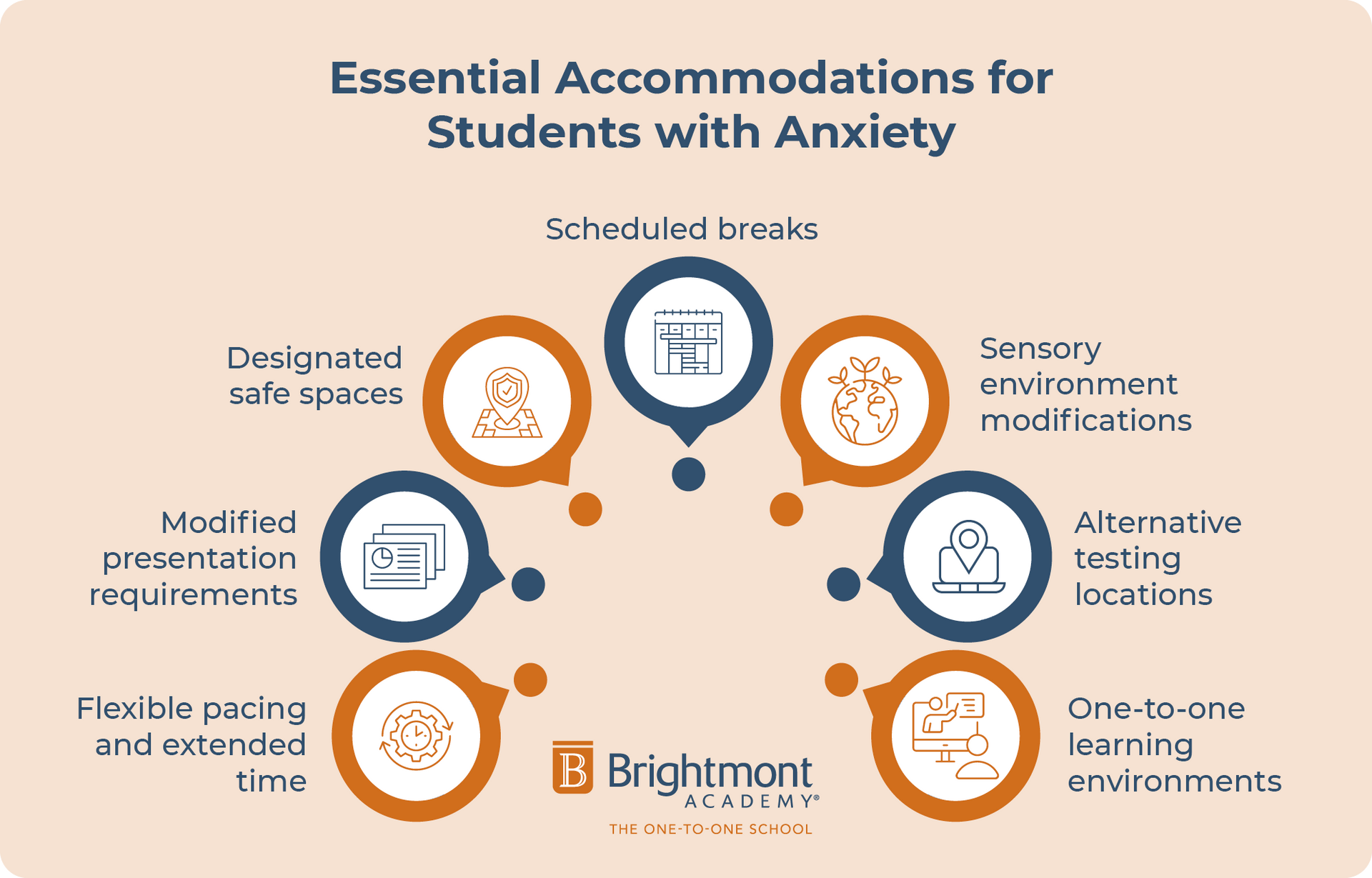
Every student experiences anxiety differently, so adjustments should be tailored to their specific obstacles. The following are seven accommodations that can help give students a sense of ease.
Strict deadlines and timed tests can exacerbate underlying anxiety for some students, leading to panic rather than a true demonstration of a student’s knowledge. When students are focused on the burden of a ticking clock instead of the material in front of them, their emotions can interfere with their ability to think clearly.
Encourage your student to keep communication lines open with their teachers so that they can discuss reasonable extensions. This helps your student get the extra time they need while building self-advocacy skills.
Presenting in front of a classroom full of peers can cause significant social anxiety and debilitating panic attacks for many students—even those who fully understand the material. Offering alternative ways to demonstrate subject mastery protects the student’s emotional well-being while maintaining academic expectations.
Educators might allow students to:
These options can reduce peer judgement without compromising the assignment’s academic requirements and grading rubrics.
When a student becomes emotionally dysregulated, forcing them to remain in a highly stimulating classroom environment worsens the anxiety spiral. A designated quiet space gives students an opportunity to decompress, allows their nervous system to calm down, and helps them regain a sense of control before returning to their work.
Schools may designate a quiet room, such as a counselor’s office or library corner, or another low-stimulation area for this purpose. One-to-one schools can take this a step further by creating a calmer classroom environment with fewer distractions and social pressures to begin with.
Sustained focus over a seven-hour school day can be exhausting and drain students’ emotional batteries. Incorporating predictable breaks into daily routines prevents this fatigue from escalating into full-blown panic.
Schools might build short breaks into a student’s schedule, such as breathing exercises, stretching, walking, or spending time in a quiet space. Knowing when they can take a break offers students a greater sense of control throughout the school day.
The physical classroom environment can contribute to anxiety—bright lights, loud conversations, and constant movement can be overwhelming. Small environmental changes can help reduce these distractions. Educators, for example, might seat students away from high-traffic areas or allow noise-cancelling headphones during independent work when appropriate.
Adjusting lighting and creating a more comfortable, predictable environment can help students focus their energy on learning.
Taking an exam in a crowded room can add pressure for an anxious student. Watching classmates finish at different times or worrying about being the last person working can make it harder to focus on the assessment.
A school’s testing coordinator should arrange for the student to complete assessments in a private or distraction-free room. Removing these distractions can help students focus on demonstrating what they know rather than comparing their performance to others.
Standard accommodations within traditional classrooms often highlight a student’s differences, inadvertently increasing peer judgement and social anxiety. True accommodation means changing the environment itself to remove stressors entirely.
Transitioning to a
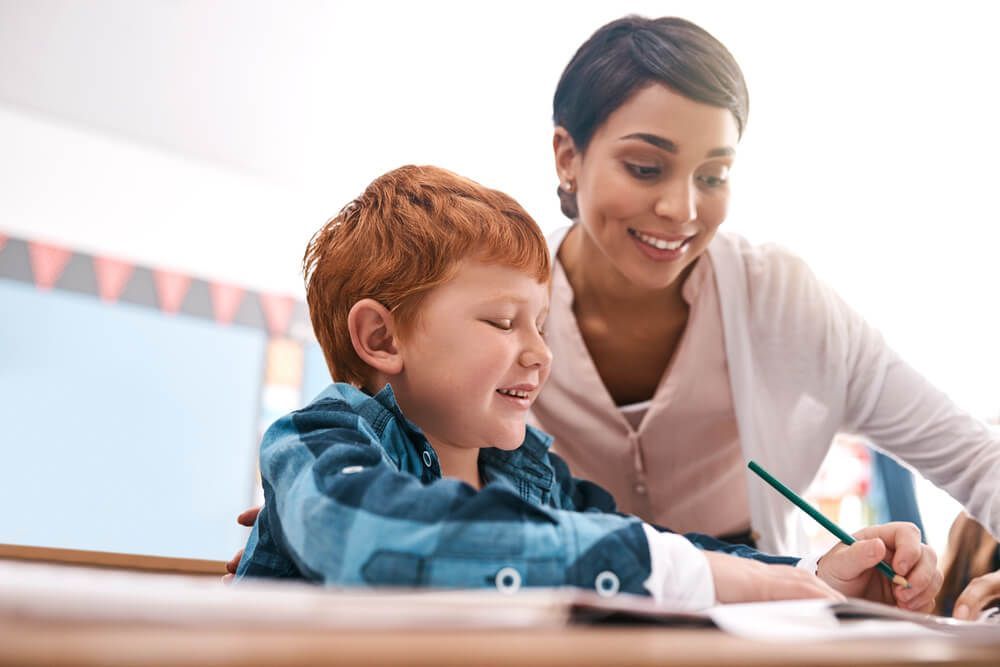
one-to-one teaching model eliminates peer judgement and allows the instructor to adapt lessons in real-time. With one student and one instructor, these classrooms provide a calm, supportive environment designed around the student’s unique emotional and academic needs.
Benefits of a one-to-one learning environment include:
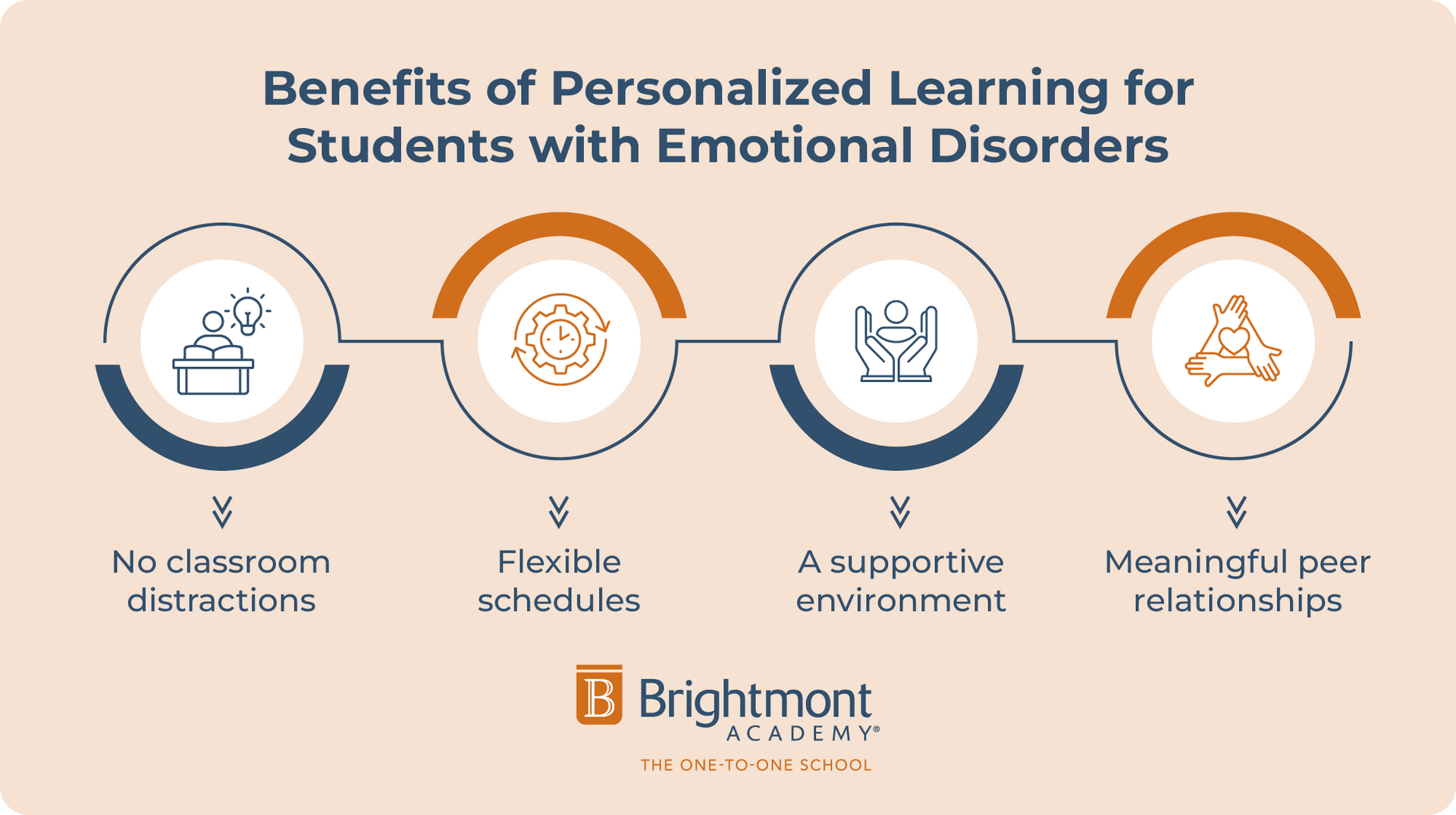
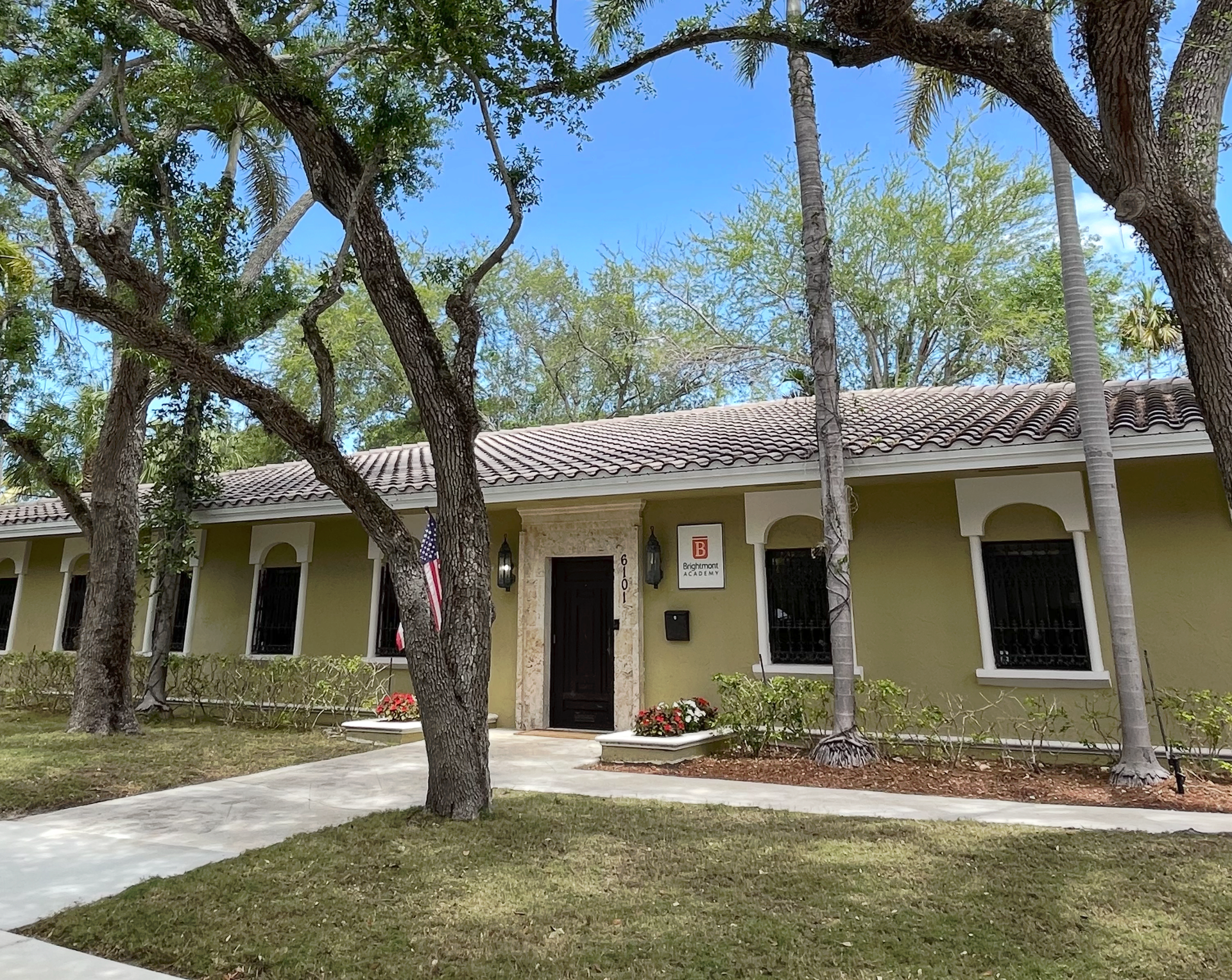
Brightmont Academy is a one-to-one school with campuses across the U.S., helping students with anxiety reset and succeed by creating a learning environment tailored to their individual needs. Rather than expecting students to adapt to the pace, structure, and social demands of a typical classroom, Brightmont’s one-to-one model adapts instruction and the school day to fit each student.
For students who experience anxiety at school, this approach can remove many triggers that make learning difficult while offering them the support they need to make academic progress.
Brightmont’s accommodations for students with anxiety include:
When anxiety continues to interfere with attendance or academic progress, it may be your sign to start considering other options for your student’s success.
The right accommodations help students with anxiety manage school-related challenges without lowering academic expectations. For some students, targeted changes to testing or assignments may be enough. Others may benefit from a learning environment that addresses their individual needs more attentively.
For more information about choosing an environment around your student’s needs, explore these resources:




“Brightmont gave my daughter
confidence and helped her love learning
again.”
– Parent of 8th grader

92% of Brightmont graduates are
accepted into their first-choice college

(888) 521-0887
To book a tour, talk to a campus director, or get a free consultation, please fill out the form.

©2026 Brightmont Academy®
