“Brightmont gave my daughter
confidence and helped her love learning
again.”
– Parent of 8th grader
400 E. Main St. Barrington, IL 60010
1-888-521-0887
inquiry@brightmontacademy.com
If you’re parenting a child with anxiety or school refusal, this post is for you.
As someone who has lived with anxiety my entire life—and as a parent to children with anxiety disorders—I know firsthand how overwhelming and complicated this journey can be. Parenting a child with a mental health condition means balancing emotional support with daily responsibilities, all while feeling like you’re constantly walking on eggshells. You are not alone. I know it's exhausting, and your experience is real.

It’s Not Your Fault
Anxiety disorders are medical conditions, not the result of bad parenting or missed red flags. It’s easy to fall into the trap of self-blame. But shame and guilt won’t help you or your child. What does? Compassion—for yourself and your child.
It’s Not Their Fault Either
Kids with anxiety aren’t being dramatic or defiant—they’re overwhelmed. It’s not a behavioral issue; it’s a nervous system in overdrive. When you respond with empathy first, you’re already helping.
Don’t Force Conversations—Just Be Present
Your instinct may be to ask lots of questions to help, but sometimes, that can add pressure. Try creating low-pressure moments—whether through car rides, baking, or gaming. These moments can open doors to connection more naturally.

Learn to Recognize the Signs
Common signs of anxiety in kids:
These aren’t “bad habits” or “mood swings”—they’re signs of internal distress.
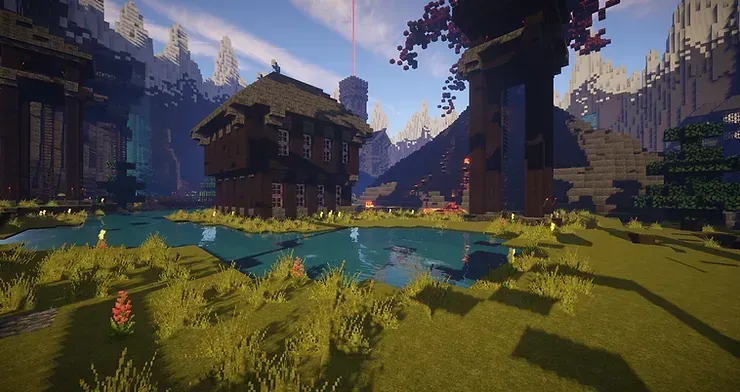
Video Games Might Be a Healthy Coping Strategy
Yes, really. Open-world games like Minecraft, Terraria, or Zelda can provide:
It’s not always avoidance—it’s self-regulation. Balance is key, but so is empathy.
Support, Don’t “Fix”
You can’t cure anxiety, but you can offer support. This might look like:
Your patience, presence, and consistency are more powerful than any “quick fix.”
Final Thought
You don’t have to be perfect. You just have to keep showing up, loving your child through the hard days—and giving yourself grace along the way.
Resources for Parents
Recommended Books:
Disclaimer: I’m not a therapist—just a parent and educator who works with students experiencing anxiety and school refusal. Please consult a professional for mental health support.

Tony Beals is the VP of Admissions and Enrollment Solutions at Brightmont Academy. Tony has extensive experience as both a parent and an educator working with students from an array of backgrounds including those with anxiety, depression, ASD, ADHD, and ODD. He has been in the education industry for over 25 years and has been involved as a teacher, consultant, manager, and leader.







“Brightmont gave my daughter
confidence and helped her love learning
again.”
– Parent of 8th grader

92% of Brightmont graduates are
accepted into their first-choice college

(888) 521-0887
To book a tour, talk to a campus director, or get a free consultation, please fill out the form.

©2026 Brightmont Academy®
