Tony Beals is the VP of Admissions and Enrollment Solutions at Brightmont Academy. Tony has extensive experience as both a parent and an educator working with students from an array of backgrounds including those with anxiety, depression, ASD, ADHD, and ODD. He has been in the education industry for over 25 years and has been involved as a teacher, consultant, manager, and leader.
Beyond the Label: Understanding Neurodivergence
Tony Beals • July 23, 2025
Understanding Neurodivergence in a New Light

We use labels to understand. ADHD. Autism. Dyslexia. Labels can help us communicate needs, access support, and open up community. But they can also limit our vision.
We need to see students as more than a set of traits to be managed. Neurodivergence isn’t just a checklist of challenges. It’s a window into how a student experiences, processes, and interacts with the world.
The Danger of Oversimplification

Too often, we hear “He’s ADHD,” or “She’s on the spectrum,” as if those labels tell the whole story. In reality, they’re just starting points. Every neurodivergent student has a unique cognitive profile shaped by strengths, struggles, coping strategies, and context.
When we reduce them to a label, we miss:
- The creative writer who struggles with transitions.
- The math whiz who needs extra support organizing materials.
- The student who zones out not because they’re disengaged—but because they’re overwhelmed.
Understanding neurodivergence means going beyond the label and into the lived experience of each student.
The Overlap Is Real... and Messy
Many students live at the intersection of multiple diagnoses: ADHD and autism (AuDHD), dyslexia and anxiety, dyscalculia and executive functioning delays. These overlaps don’t cancel each other out. Rather, they complicate things.
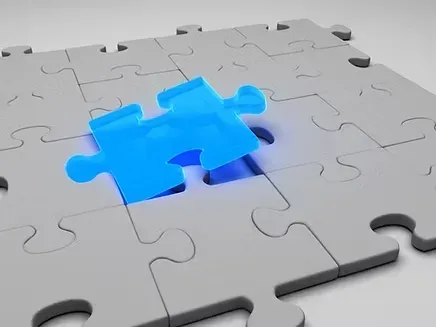
But those complications are puzzles— they’re why I became an educator.
When we look beyond surface contradictions, we start to see profiles instead of problems:
- The AuDHD student who craves novelty and structure.
- The dyscalculic learner who can spot math patterns conceptually but stumbles with step-by-step procedures.
- The autistic student who’s both deeply empathetic and socially overwhelmed.
These are not contradictions, but complex systems. And when supported right, they become assets. That's right...assets.
Positives in the Profiles
Every neurodivergent profile holds strengths that traditional systems often overlook:
ADHD
- Fast processors and lateral thinkers.
- Passionate deep-divers when engaged.
- Resilient, adaptable, and high-energy.
Autism
- Pattern recognition and visual thinking.
- Strong sense of fairness and logic.
- Creative problem-solvers who notice what others miss.
Dyslexia
- Big-picture thinkers with strong verbal reasoning.
- Often creative, empathetic, and resourceful.
Dyscalculia
- Intuitive, narrative, and spatial thinkers.
- Often gifted in language, art, and emotional insight
AuDHD
- Emotional and logical.
- Able to see many perspectives at once.
- Insightful thinkers who don’t fit the mold—and shouldn’t have to.
What It Looks Like in Practice
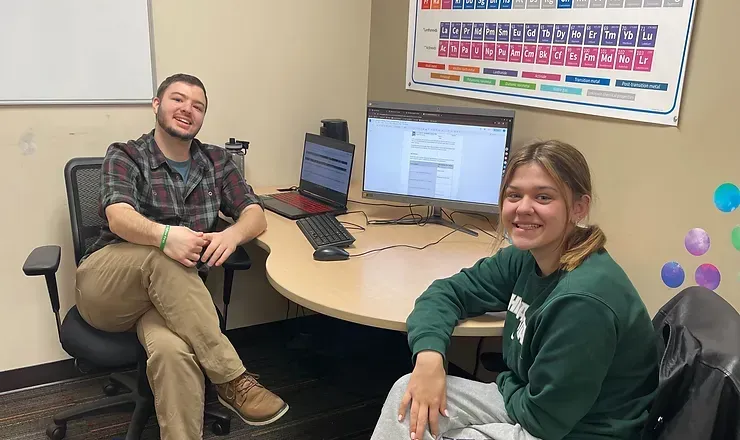
At Brightmont Academy, we tailor support to each student’s pace, processing style, and passion. Our one-to-one model lets us see the student and not just the diagnosis. That’s how we build trust, unlock potential, and help students learn not just how to succeed—but how they succeed.
We ask:
- What does support look like for you?
- What helps your brain work best?
- Where do you feel capable, and where do you feel stuck?
From there, we build skill and confidence together without forcing kids into neurotypical molds.
The Real Work: Shifting the Lens
Neurodivergence is not a flaw to be fixed. It’s a difference to be understood. And understanding doesn’t start with labels. It starts with listening.
So let’s stop asking, “What’s wrong?” And start asking, “What’s going on here?” Let’s stop trying to make students fit school. And start shaping school to fit students.
The work isn’t easy, but it’s worth it. And it starts by seeing the puzzle, not just the piece.
Written by Tony Beals, VP at Brightmont Academy and author of the
“Table Topics with Tony” newsletter and the upcoming book, The Education Paradox.© 2025 Tony Beals.

More Blog Posts, News & Webinars

Navigating high school credit recovery and earning extra credits can be challenging. Learn how personalized learning helps students stay on track and succeed.

Looking for effective teaching strategies for dyslexia? Discover how one-to-one instruction, multisensory learning, and Orton-Gillingham methods can help.

Discover the best ADHD teaching strategies educators can use to help students maintain focus, control hyperactive tendencies, and strengthen impulse control.
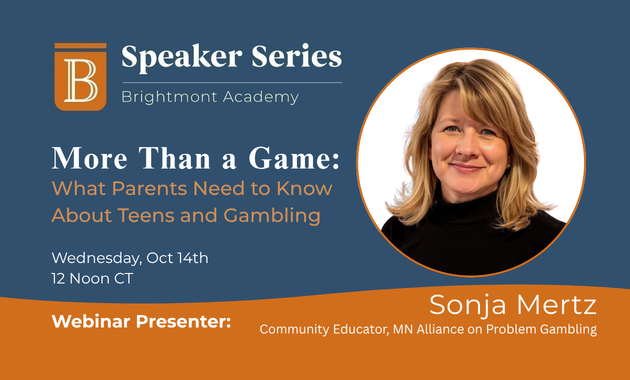
Hear from Sonja Mertz to better understand gambling and gaming trends, and how they can affect youth.

Learn how flexible accredited high school programs for athletes help students balance their academic goals with their passion for their extracurricular sport.
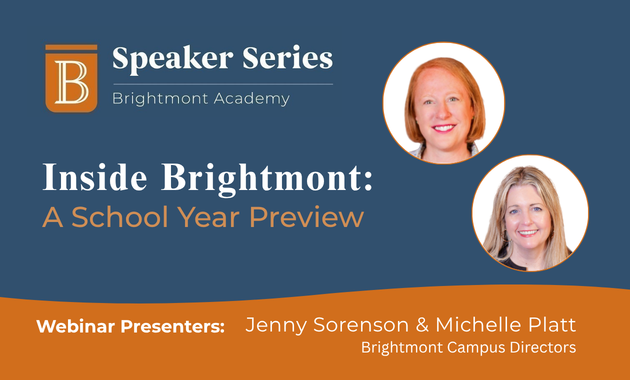
Get a closer look at one-to-one instruction and how personalized learning can be tailored to different students, schedules, and goals.

Tutoring for ADHD goes beyond basic review to accommodate unique learning needs. Discover how personalized instruction and executive functioning support help.
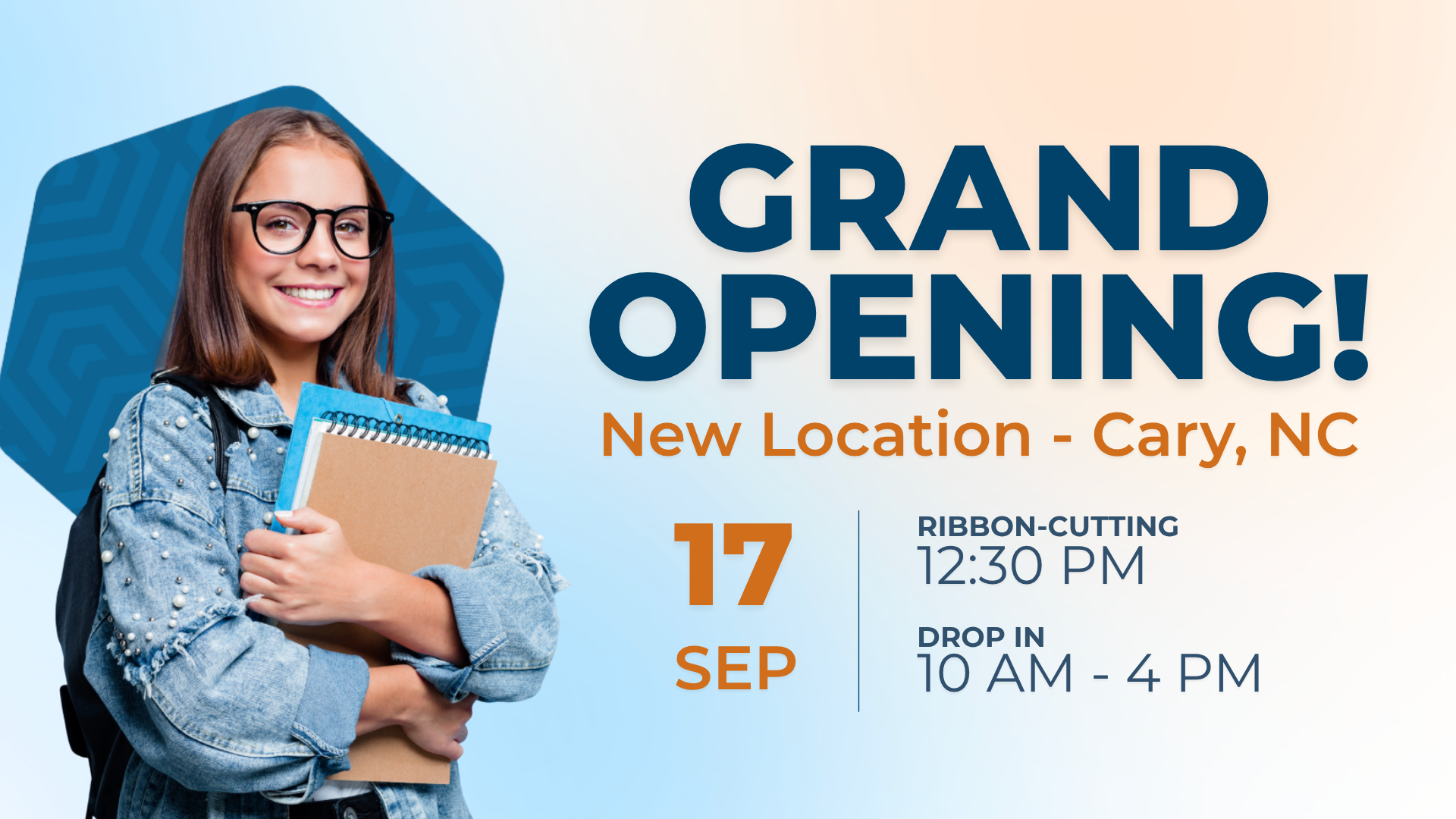
Brightmont Academy's newest campus, its second in North Carolina, is now open and enrolling students in Cary.
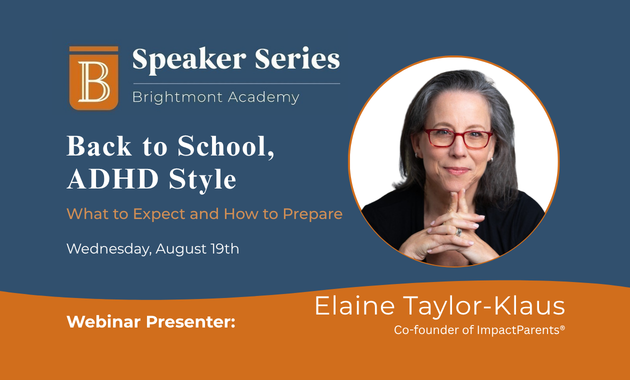
Brightmont Academy Speaker Series