“Brightmont gave my daughter
confidence and helped her love learning
again.”
– Parent of 8th grader
400 E. Main St. Barrington, IL 60010
1-888-521-0887
inquiry@brightmontacademy.com
There are a variety of reasons why families decide to seek the help of tutors. Learning gaps continue to be a common consequence of the COVID-19 pandemic. Diagnoses such as ADHD and anxiety remain on the rise among students, who often struggle academically as a result. Plus, every person is different from the next—students may simply need some additional support in tackling subjects that prove more difficult for them.
Likewise, no two tutors are alike. Some have impressive degrees to prove their expertise in their subject areas. Others are hardly out of school themselves and are just looking to earn their keep. Then there’s everything in between, making it even more difficult for families to make a tutoring decision. So how can you weigh all of the options and make the very best choice for your kids? As a first step, discerning true competence is key.

The Marks of Effective Tutoring
True competence is not necessarily found in a tutor’s knowledge of an abundance of academic concepts and facts. And competence definitely isn’t found in those whose main ambition is money-making. Instead, there are four main marks that indicate if a tutoring program takes children’s needs seriously and will make a notable difference for years to come…
A clear plan, including regular progress reports
All too often, tutors take a rather haphazard approach with nothing but the homework a kid brings with them to guide instruction and conversation. The shared goal is simply to survive the assignment at hand. However, this kind of tutoring rarely addresses the heart of the real problem and does not offer a longstanding remedy.
Simply put, effective tutors are planful. They ask good questions of their tutor-seeking families, identify the root causes of poor grades, lack of engagement, etc., then develop plans that achieve clear goals (e.g., improved reading, writing, math skills, organizational skills). In addition, such tutoring programs prepare regular reports for families regarding their students’ progress, necessary adjustments, and special ways parents can support the tutoring process at home.

Accreditation and training
The best-case scenario involves tutors who are trained to be exactly that—professional tutors—by their umbrella organizations. They consider themselves specialists in the field and apply proven tutoring strategies in their daily work with students. Furthermore, effective tutors are associated with organizations with accreditation, which demonstrates that their curriculum and other academic measures meet a high standard of quality.
Expertise in learning differences
Since nearly one in five of all children are neurodiverse—diagnosed with ADHD, dyslexia, or another learning difference—tutors often serve this segment of the student population. In turn, it’s important for tutors to be very familiar with the symptoms, nuances, and recommended teaching strategies related to such neurodiversities. Competent tutors not only show foundational knowledge and experience in teaching all kinds of kids, but also commit to their own continuing education around learning differences.
A flexible and strategic schedule
Competence is also apparent in scheduling. Effective tutors consider their students’ optimal learning hours, the best pace to follow for each unique scenario, etc. In other words, a tutoring schedule should be as flexible and as strategic as possible to maximize academic engagement and success.
Tutoring at Brightmont Academy
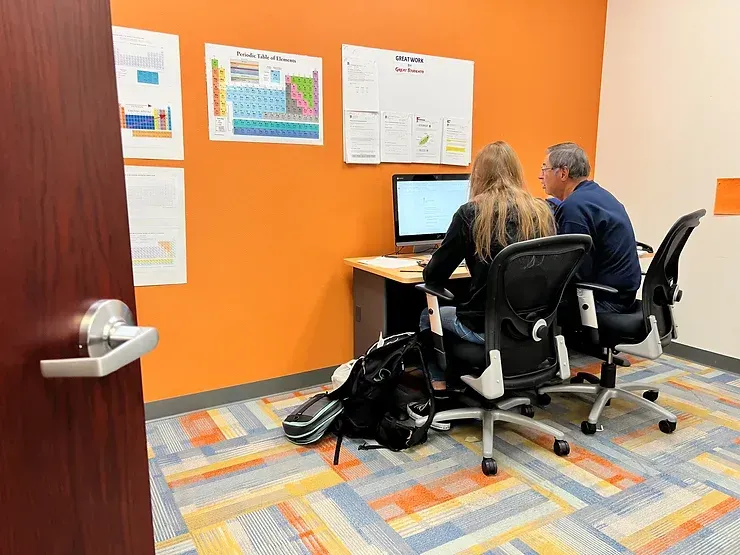
Of all the tutoring options out there, Brightmont Academy—also known as “the one-to-one school”—meets every mark of competency. When it comes to qualifications, all tutors affiliated with Brightmont must have bachelor’s degrees, but many come with advanced degrees. On the more practical side, working with Brightmont always begins with developing a cohesive, data-driven, goals-focused plan, along with a clear agreement on how progress will be measured and reported. Furthermore, unlike other tutoring organizations, Brightmont matches one tutor to each student—no assigning just anyone from the available pool. This way, tutors get to know their students well—and vice versa—and are able to keep a steady, keen focus on academic gaps and accomplishments.
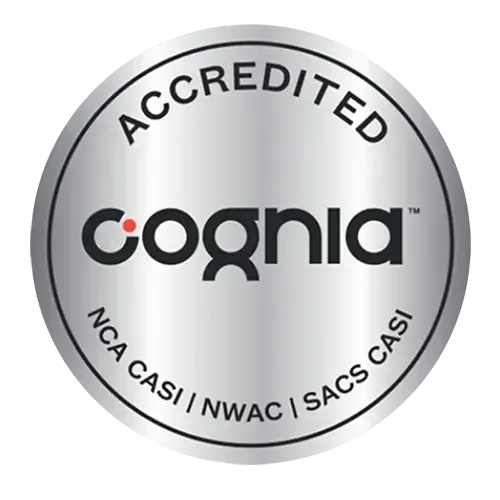
Regarding accreditation, a leading assessment firm called Cognia not only measures Brightmont’s academic quality, but also provides insights on continuous improvement. This often drives the content of in-house seminars offered throughout the year to Brightmont teachers. And Brightmont’s attention to professional development shows. While most Cognia-accredited schools earn an average overall quality score of 253, Brightmont’s score is 320!
Finally, Brightmont believes that customization is crucial in creating the very best learning experiences, including tutoring sessions. That means approaching each student holistically, accounting not only for their academic challenges, but also for any anxieties and/or diagnosed neurodiversities that trigger or amplify those challenges. Most of Brightmont’s tutoring students have ADHD and just need an adult, other than a parent, to help them organize, prioritize, and process their schoolwork. Many families appreciate how this changes the dynamic at home; conversations don’t have to constantly revolve around missing homework, grades, etc. They can leave the majority of that in Brightmont’s capable hands.
Indeed, students deserve all the help they need to accomplish their academic goals. In turn, students deserve competent tutors. Brightmont is privileged to provide just that—and much more.
Sources:
https://ldaamerica.org/info/tips-on-choosing-a-tutor-for-your-child/

Barbara Farland is an English & Social Studies instructor at Brightmont Academy in Plymouth, Minn. She holds a master’s degree in Business Communication from the University of St. Thomas and, prior to pursuing a second career in education, worked as an award-winning public relations and communications professional in both the corporate and nonprofit sectors. As a “storyteller by nature and teacher at heart,” Barbara continues to contribute to various anthologies, among other writing projects.








“Brightmont gave my daughter
confidence and helped her love learning
again.”
– Parent of 8th grader

92% of Brightmont graduates are
accepted into their first-choice college

(888) 521-0887
To book a tour, talk to a campus director, or get a free consultation, please fill out the form.

©2026 Brightmont Academy®
