“Brightmont gave my daughter
confidence and helped her love learning
again.”
– Parent of 8th grader
400 E. Main St. Barrington, IL 60010
1-888-521-0887
inquiry@brightmontacademy.com
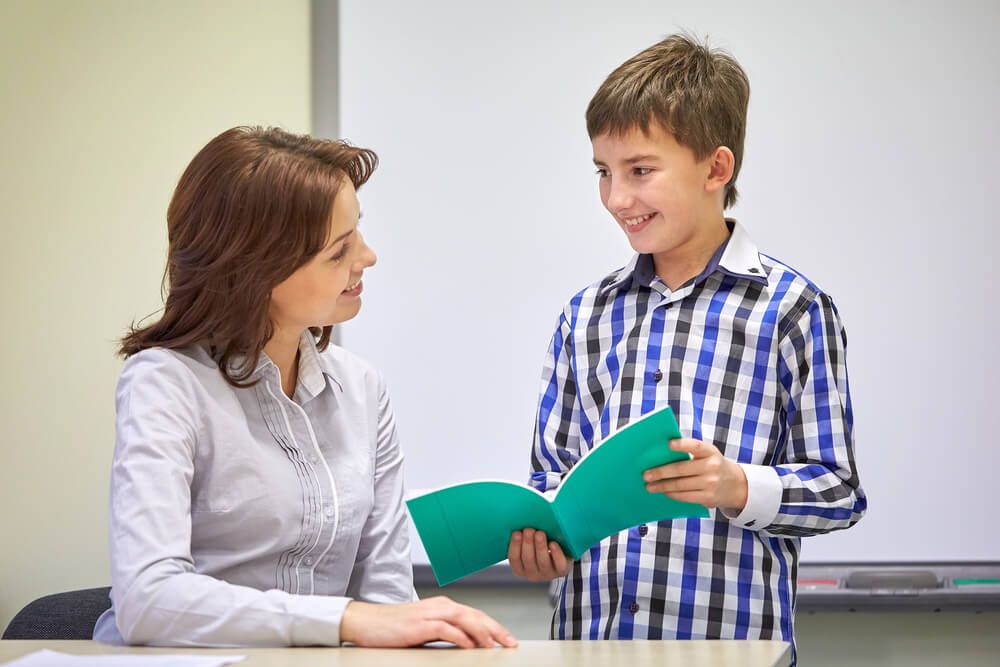
It’s clear that students benefit immensely from a one-to-one teaching model. Students receive undivided attention, experience less distraction, and enjoy an approach that meets their precise needs. But how do teachers feel about it? Do they benefit from it, too?
At Brightmont Academy, the resounding reply is “yes!” — and for many reasons. For the most part, those reasons can be summed up in three key words: customization, efficiency, and connection.
Customization
Many people envision education as a teacher at a blackboard explaining a concept to a classroom full of students—relying on one approach and one technique to serve the masses. But that scenario is quite different at Brightmont.
“You can adjust your teaching to how the student learns,” says Kate Doan, a Science and Math teacher at Brightmont in Mendota Heights, Minn. In other words, it’s always student first, concept second, in devising a teaching method.
“For example, today I was covering how to solve a problem in math with one of my students,” adds Kate. “I was able to ask about her preferred method to work through a math problem, then I showed her how to do it in her preferred way.”
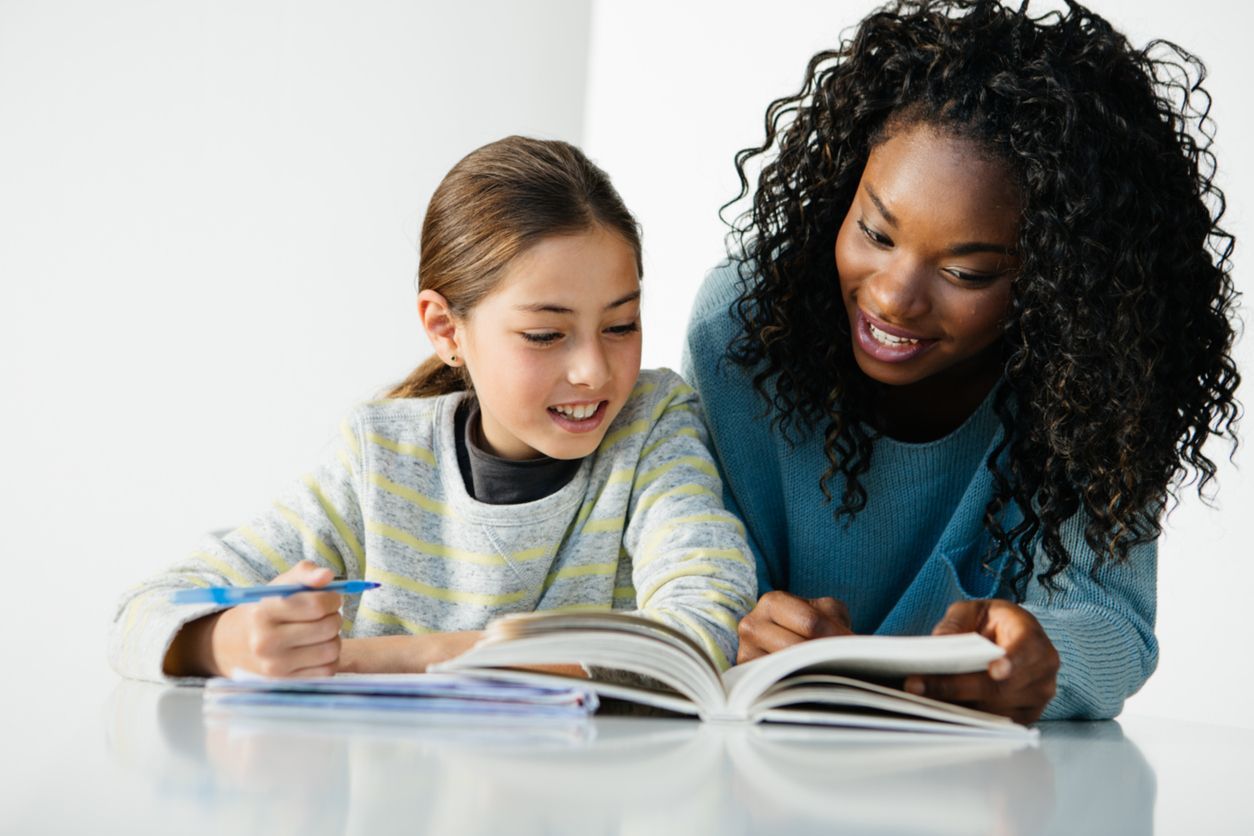
While such customization would take great pains in a traditional school environment, it’s simply the way it is for the teachers at Brightmont. Naturally, with that comes the confidence that they’re really getting through to each of their students—and data proves it: 90 percent of students say they feel more successful and engaged since attending Brightmont.
Efficiency
Jesse Moen, a longtime elementary teacher, also works at the Mendota Heights Brightmont campus. Originally from the public education arena, Jesse notes she especially benefits from the efficiency of one-to-one schooling.
“Transitions, behavior management, distractions, interruptions, etc., all affected my day-to-day routine as a teacher,” says Jesse. “Now those challenges are few and far between at Brightmont.”
This means that Jesse—along with her fellow teachers—are better able to invest more time and energy in thoughtful lesson plans and pacing. It means their being better able to implement those plans without the hassle of managing tricky group dynamics. All together, it means that Brightmont teachers are better able to set expectations that their students consistently meet.
Connection
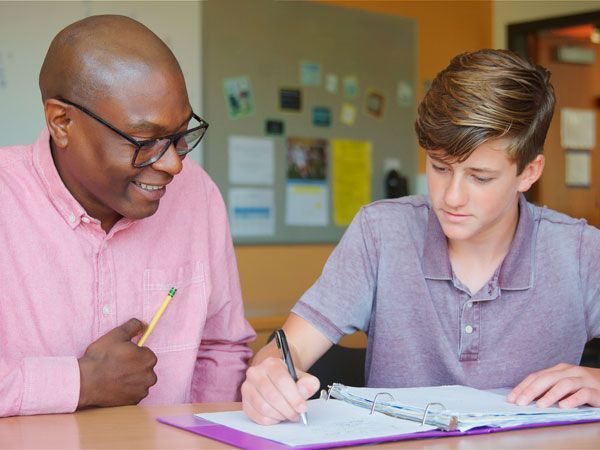
In 2023, research organization YouthTruth conducted a survey among 88,000 secondary students across the nation only to find that less than a quarter—just 22 percent—felt known by and connected to their teachers.1 However, this sad statistic bears no weight at Brightmont where meaningful relationships between teachers and students are inevitable.
“I enjoy getting to know my students on a more personal level,” says Jesse. “I’m better able to build relationships at Brightmont and to capitalize on those relationships in the classroom.”
When teachers know their students well—not only how they learn, but also what they gravitate toward in and outside of school—the learning material takes on a whole other colorful life. A one-to-one teaching model makes it much more possible to discover and share the personal relevance of the curriculum, as well as to explore unique opportunities for action and further learning. This obviously makes it more interesting and enjoyable for teachers and students alike.
Shared Success
Customization. Efficiency. Connection. These benefits of one-to-one education for teachers naturally become benefits for students, too. Students experience a highly personalized style of learning. They keep an efficient pace in their academic advancement. They feel seen, heard, and valued. As former Starbucks leader Howard Schultz quips, “Success is best when it’s shared.”2 When it comes to education, there’s no better evidence of shared success than at Brightmont.
1https://www.edweek.org/leadership/most-students-dont-have-strong-connections-to-their-teachers-survey-finds/2023/05
2https://www.brainyquote.com/quotes/howard_schultz_579250
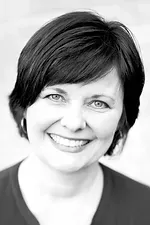
Barbara Farland is an English & Social Studies instructor at Brightmont Academy in Plymouth, Minn. She holds a master’s degree in Business Communication from the University of St. Thomas and, prior to pursuing a second career in education, worked as an award-winning public relations and communications professional in both the corporate and nonprofit sectors. As a “storyteller by nature and teacher at heart,” Barbara continues to contribute to various anthologies, among other writing projects.






“Brightmont gave my daughter
confidence and helped her love learning
again.”
– Parent of 8th grader

92% of Brightmont graduates are
accepted into their first-choice college

(888) 521-0887
To book a tour, talk to a campus director, or get a free consultation, please fill out the form.

©2026 Brightmont Academy®
