“Brightmont gave my daughter
confidence and helped her love learning
again.”
– Parent of 8th grader
400 E. Main St. Barrington, IL 60010
1-888-521-0887
inquiry@brightmontacademy.com
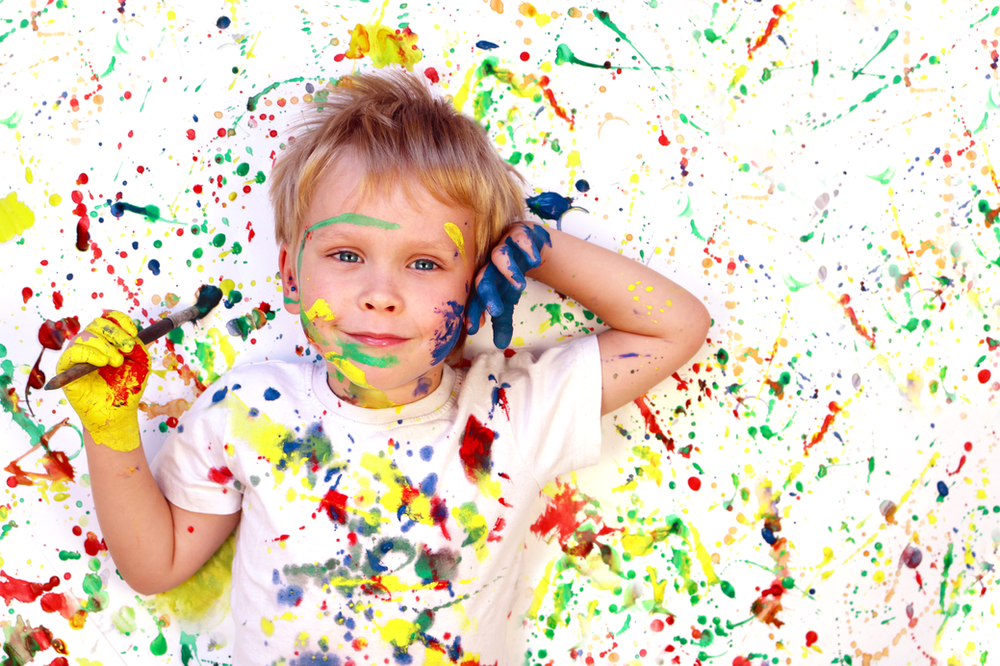
I get a lot of questions about my post-nominals – LPC, ATR-BC, CCTSI, and RYT – sounds like alphabet soup, right? I recognize this system isn’t always clear and that is far from ideal. Alas, it is the credentialling system providers and patients must navigate on their care journey. (more on that at end of article)
But those are not the letters I am writing about today. For today’s installment of Private School Blog, I would like to talk about ATR-BC, which stands for Board Certified Art Therapist.
Who are Art Therapists?
Those providers with ATR-BC next to their names, Art Therapists, are not simply adding art to a treatment because they like art or their patient likes art. Bona Fide Art Therapists (and board certified in my case) are governed by the American Art Therapy Association (“AATA”) and have completed additional specific academic coursework in understanding the human creative process, psychological development, Art Therapy specific assessment methods, multi-cultural competencies, and trauma sensitive techniques beyond those required to obtain your Master’s degree and LPC designation (both of which are required to practice without supervision). Outside of the classroom, there are 700 required hours of supervised Art Therapy specific practicum and clinical internships, on top of those required to be an LPC. Then an additional board exam. That is, of course, to say nothing of the prerequisite level of experience across a broad array of studio and media art modalities, their essential materials and suitability for the patient’s experience level.
I will get off my soapbox now, but there are far too many well-intentioned providers without appropriate credentials that bill themselves incorrectly as “art therapists,” and that flies in the face of the ethical standards I adhere to, a feeling shared by many of my AATA peers.
What is Art Therapy?
Art is, and has been, an essential form of human communication and self-expression (see: cave drawings). Its use for the conveyance of complex ideals predates written and spoken word and is unique in its capacity for expressing emotion. Through the intentional practice of creating, individuals can communicate feelings and emotions without having to vocalize them. That is particularly useful in working with children who are each still developing that critical connection between emotion and language, their capacity for abstract thinking, and, simply, the vocabulary necessary to articulate big, powerful ideas.
Why Art Therapy?
Officially recognized as a medical practice for the better part of a century, art therapy is well established as a beneficial additional lens with the therapy space – for the right patient. I don’t mean to convey that Art Therapists are one-trick ponies, it is that they are trained supplementally in utilizing the process of making art to practice with a patient a distinct discipline that utilizes visual media, the art-making process, and materials as vehicles for therapeutic purposes. Those purposes can be directly linked to systemic / regulatory functioning, emotion identification, communication, frustration management, etc. The benefits of art therapy have been seen in people of all ages, helping to improve communication and concentration, as well as reduce feelings of isolation. Art therapy has also been shown to decrease stress, improve or restore executive functioning, improve sense of personal well-being, increase self-awareness, self-esteem, and confidence.
How Does Art Therapy work ?
As an Art Therapist, I will structure and facilitate different art interventions, either individually or in a group setting, that support patients in exploring their emotions, foster self-awareness, manage behaviors, develop social skills, reduce anxiety, increase self-esteem, improve reality orientation, along with a variety of other spontaneous or targeted responses. The process and/or the art a patient creates is meant to hold space for their self-expression, self-exploration, and enhance their capacity for emotional, mental, and physical well-being.
Contrast this with, say, an art class, where students are focused on the product, the specific use of techniques, and the growth of skills with a particular medium. Those elements may be graded or formally evaluated. Art Therapy requires none of this. Of course, those using Art Therapy within their treatment may have or acquire some technical art skills, the focus is often on the process of creating instead of what has been created in the end. Typically, there is no “final product” at all and merely the processing of a piece of their therapeutic journey.
Often, it’s the simple ability to engage with materials and the freedom of expression that comes with it can bring soothing and meditative qualities to the patient’s experience. The interactive work between the therapist and the patient through the language of art is separate and apart from a “typical” talk therapy experience and the art can create something tangible for the patient to remember that progress by, versus having to only experience it metaphorically. Most importantly, there are no expectations, grades, or desired results for the product and the interventions remain centered around therapeutic goals which are unique to each patient.
Where Do I Find an Art Therapist?
You can explore more about my work on my website ( creativecontinuumaz.com) or Instagram (@creativecontinuumtherapy) and continue to read about the benefits of the practice at the American Art Therapy Association website ( arttherapy.org)
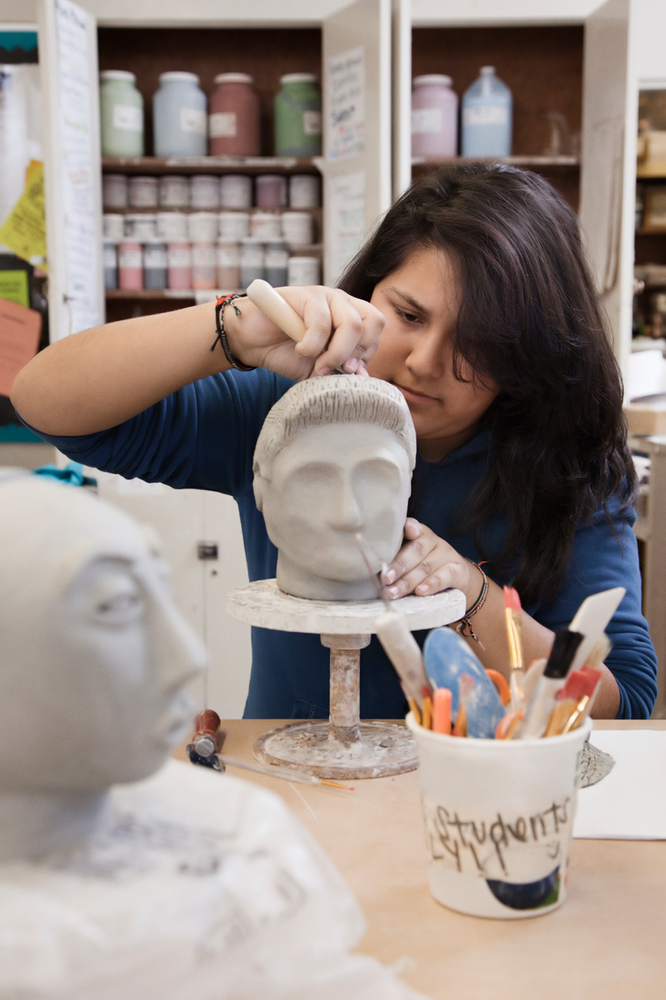
(One of Brightmont Academy's campuses in Arizona has a group art class that they offer during their student's lunch periods to offer an outlet for those that need that creative outlet in the middle of the day)
To close, I’d like to debunk some common Art Therapy myths for you.
#1: Diagnoses do not solely come from a patient’s artwork. Diagnosis comes only from direct observation and interaction between therapist and patient. However, many Art Therapists will look for certain indicators in artwork that may help further diagnostic decisions, as we are qualified to do.
#2: Art Therapy is not only for young children. Art Therapy welcomes people of all ages to engage in its process: children, teens, adolescents, adults, elderly. The creative process is not limited to only one age group. Art therapy lends itself to all populations and therapeutic goals.
#3: Coloring books are not the same thing as Art Therapy. While coloring can offer soothing and calming effects, using coloring books alone without the presence of an Art Therapist does not denote it as “Art Therapy.” This, instead, would be referred to as “art as therapy” rather than “Art Therapy.”

Marina is a licensed professional counselor and board certified art therapist.
LPC is Licensed Professional Counselor, and it means she has completed all the academic and clinical expectations to provide mental health counseling services (specifically in Arizona, Massachusetts, Vermont, and Pennsylvania.
CCTSI is Certified Clinical Trauma Specialist for Individuals and means she is able to provide trauma-informed care to individual patients.
RYT is Registered Yoga Teacher and means she has completed 200 hours’ worth of requirements to understand and instruct yogic practices.








“Brightmont gave my daughter
confidence and helped her love learning
again.”
– Parent of 8th grader

92% of Brightmont graduates are
accepted into their first-choice college

(888) 521-0887
To book a tour, talk to a campus director, or get a free consultation, please fill out the form.

©2026 Brightmont Academy®
