“Brightmont gave my daughter
confidence and helped her love learning
again.”
– Parent of 8th grader
400 E. Main St. Barrington, IL 60010
1-888-521-0887
inquiry@brightmontacademy.com
In 1899, philosopher, psychologist, and educational reformer, John Dewey, wrote The School and Society: Being Three Lectures. In the Second Lecture, Dewey discusses the relationship between the student and the school, and he proposes a student centered curriculum. Now, 120+ years later, American society and education are still coming around to implementing that idea.

Student centered education is best explained by the following examples:
-classroom debate
-Experiential learning activities
-inquiry based learning activities
-problem based learning
-service based learning
In all cases, they evoke images of active, lab-like learning environments with students preparing to explore, and eventually actually exploring a variety of subjects, conundrums and their solutions. Student centered learning also allows for attempts during those explorations that fail, and the encouragement of re-examining one’s methods and trying again.
What student centered learning is not is sitting and being lectured to. Another key element of true student centered learning is creating structures for students to explore their own preferences and to set their own goals for success.
So, then, how does student centered learning pass along any definitive, requisite skills or knowledge? This begs the questions, “Whose knowledge is required, and what gives them that right?” If you ask most parents, whether they are willing to actually say it or not, their response would likely be, “Whatever knowledge will get my student to eventually move out of my house and make an independent living.”
The actual answer is still within the schools and the American educational system themselves. It is they who set the parameters and subjects available for student exploration, and it is they who hire the teachers who have been trained to facilitate the various student centered programs and courses.
In a research paper by Peter J. Woods and Y. Gopur-Gencturk, in volume 138 of Teaching and Teacher Education , from February 2024, they found that teachers benefit from the student centered learning approach, too.
So, with all of the benefits of student centered learning to both teachers and students, how does a parent or guardian guarantee that their student will find themselves in a solid student centered environment? Frankly, in typical public high schools, it can be a little hit or miss. Teachers are, for better and for worse, frequently given a great deal of leeway in how they deliver instruction, and teachers who tend to be older and more set in the ways of lecture and handouts can be allowed to continue their practices, assuming they demonstrate success in them.
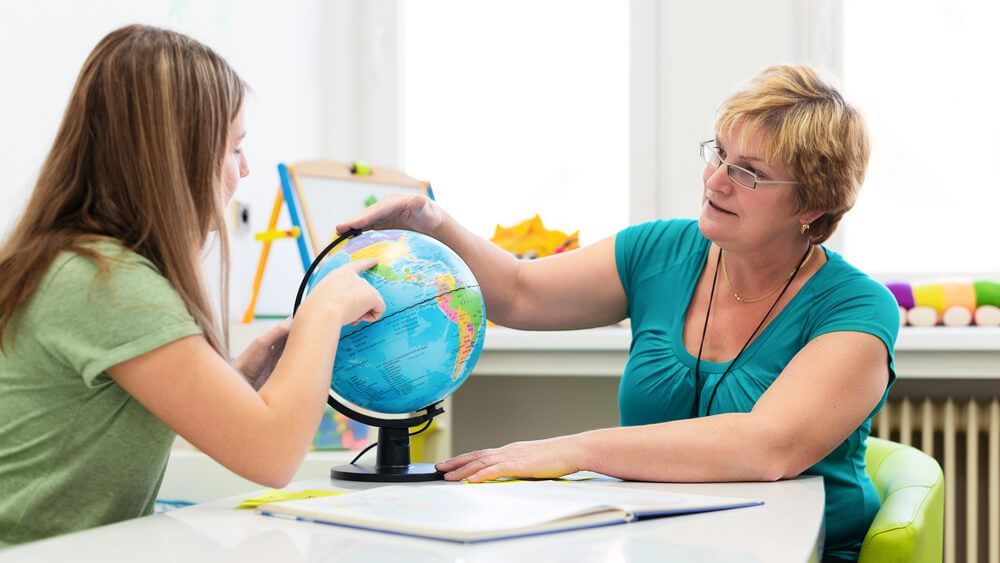
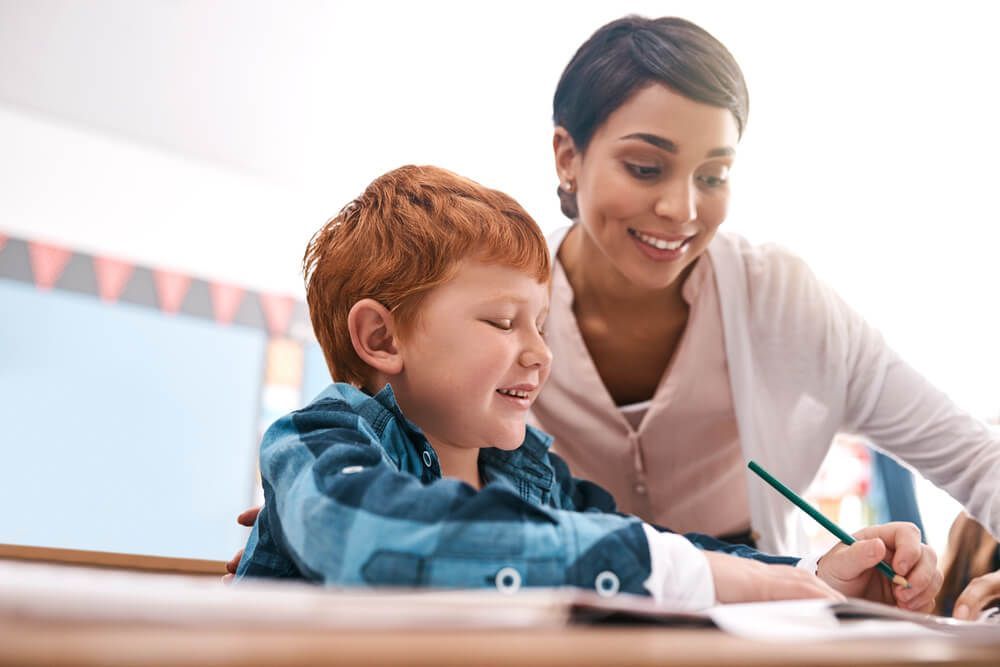
In the case of the school at which I teach, Brightmont Academy , it is a one-to-one alternative school. Upon their intake, students select their courses for themselves (within their grade levels and home district requirements). The curricula are then delivered and tracked via online systems, and are facilitated by in-person instructors who sit right beside the students in classrooms.
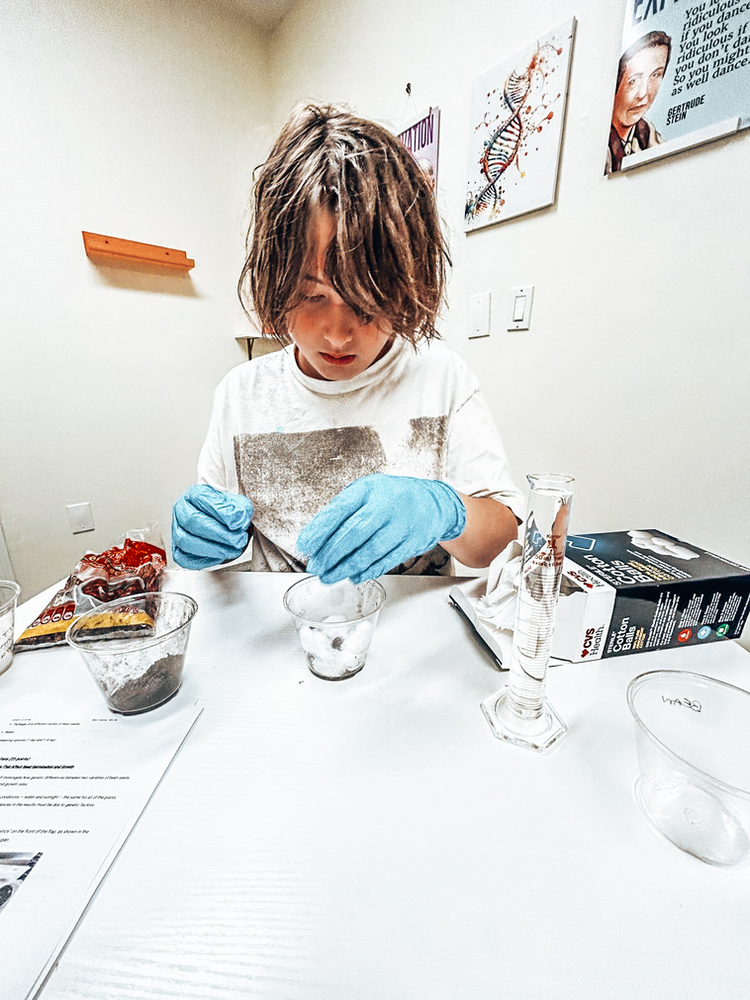
Brightmont students are allowed to go through the instructions and assignments at their own pace, and can skip around within units should they choose to. Courses use video and online simulations to spark student creativity, exploration, and debate, and student work is consistently self-reflective and society-based. When students have come to us after time in public schools with little to no student centered learning experiences, I have seen improvements in both their grades and their attitudes toward school and learning.
Individual private schooling may not be the best option available for every student, however its promise of providing a student centered learning environment may be more guaranteed.

Jamie Bachmann is a former high school special education teacher of over 20 years. He earned his Bachelor’s Degree in Communication Management from The University of Dayton, and his Master of Arts in Teaching from National-Louis University. He is also a lifelong writer, artist and musician. Jamie, his wife, and their numerous rescued felines live in Chicago’s North Shore.



“Brightmont gave my daughter
confidence and helped her love learning
again.”
– Parent of 8th grader

92% of Brightmont graduates are
accepted into their first-choice college

(888) 521-0887
To book a tour, talk to a campus director, or get a free consultation, please fill out the form.

©2026 Brightmont Academy®
