“Brightmont gave my daughter
confidence and helped her love learning
again.”
– Parent of 8th grader
400 E. Main St. Barrington, IL 60010
1-888-521-0887
inquiry@brightmontacademy.com
As debates rage over the importance of a university education and the need for a specific degree to achieve success in life, the need for completion of high school, whether it be via a traditional diploma or through a school equivalency diploma from the General Educational Development (GED) test remains important, if not essential.
According to a May 10, 2022 article by Douglas N. Harris and Feng Chen at Brookings.edu, despite most assumptions and the documented learning loss during the COVID online learning process, high school graduation rates initially increased (likely due to the relaxing of standards at the time), and they quickly leveled off. Further,
“High school graduation rates actually increased for students with
disabilities, English-language learners, and Black students. However,
college entry declined most in colleges serving large proportions of people of color.”
(https://www.brookings.edu/articles/how-has-the-pandemic-affected-high-school-
graduation-and-college-entry/)
A cursory search on the computer for jobs that do not necessitate having a high school diploma yields many more options than one might assume in this day and age. But the fact remains: the more education one attains, the more likely they are to earn more income, and have a life that is more easily manageable, than one who does not.
“Not completing high school is linked to a variety of factors that can negatively impact health, including limited employment prospects, low wages, and poverty.”
So, what are some of the causes of students not completing their high school courses and obtaining their diploma? Wanting/needing to work to earn money taking precedence over completing high school, severe health issues during junior or senior year of high school that challenge students’ abilities to recover, intense family issues that got in the way at the last minute, school phobias, and lack of parental oversight of student attendance all contribute to a lack of graduation.
In many cases, school districts can and do work with students and their families who find themselves in tricky graduation situations. However, State and Federal requirements can still leave students without attainment of that coveted piece of paper. So, what to do?
There are a few decent options available to those who search. Sometimes free or low-cost GED courses are available through local libraries or community colleges. Some school districts have night school options available for students to wrap things up. One of the best options that I know of is through a private school, which can be costly, but one’s home district may entirely pay for it, or supplement the cost.
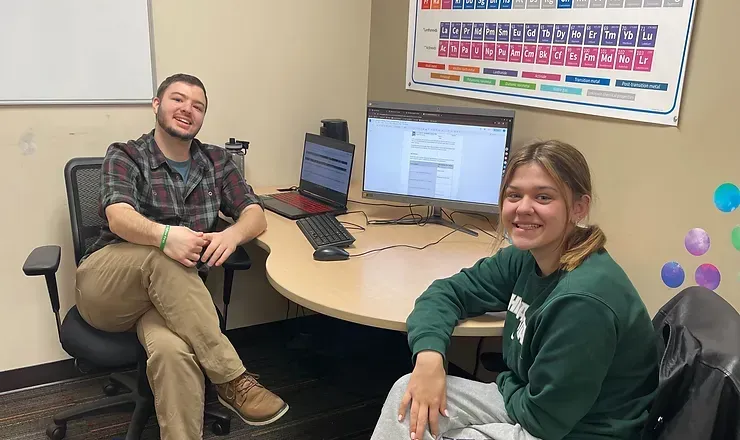
At the private, one-to-one school at which I work, Brightmont Academy, cleaning up those few remaining requirements can be fairly quick work for a determined student. At Brightmont, students work one-to-one with an instructor on only those courses essential to graduation. Each course is “taught,” and all coursework is completed, via computer software, and is directed by the student’s own pace. If a student is motivated and focused, they can move quickly and efficiently through each unit and their required assessments and projects. If students are particularly challenged by a lesson or unit here or there, one can easily slow down or repeat the information to successfully learn the requisite material.
In today’s world, a university education seems astronomical in expense and, in
many cases, questionable in purpose. A high school diploma, however, can still
be attainable for those students who may have suffered setbacks in their
academic careers, but who are intent on achieving that milestone. All it takes is a
little investigation, some planning, and maybe a little thinking outside the box.

Jamie Bachmann is a former high school special education
teacher of over 20 years. He earned his Bachelor’s Degree in
Communication Management from The University of Dayton,
and his Master of Arts in Teaching from National-Louis
University. He is also a lifelong writer, artist and musician.
Jamie, his wife, and their numerous rescued felines live in
Chicago’s North Shore.







“Brightmont gave my daughter
confidence and helped her love learning
again.”
– Parent of 8th grader

92% of Brightmont graduates are
accepted into their first-choice college

(888) 521-0887
To book a tour, talk to a campus director, or get a free consultation, please fill out the form.

©2026 Brightmont Academy®
