“Brightmont gave my daughter
confidence and helped her love learning
again.”
– Parent of 8th grader
400 E. Main St. Barrington, IL 60010
1-888-521-0887
inquiry@brightmontacademy.com
There’s still that back-to-school spirit in the air for kids and parents alike. But “homework” isn’t just for our children. While they are becoming more and more immersed in coursework and assignments, we can also invest some of our time into studying neurodiversity, what it is, how it affects our families, and where we can try some new and better strategies for daily life together.

With all of the resources on the market these days, where do we start? Consider adding these popular, critically-acclaimed reads to your bookshelf to better understand and manage the individual and systemic effects of ADHD, autism, and other diagnoses related to neurodiversity.
It’s clear there’s a stigma attached to autism, ADHD, and other forms of neurodiversity. Society is much more likely to deem them as disabilities stemming from physical and environmental problems than “the result of natural variations in the human genome.” In his book Neurotribes, journalist Steve Silberman focuses on the latter and creates an expertly woven tapestry of history, anecdotes, and data to reveal errant mindsets and to provide direction for change.
Neurodiversity gets especially tricky when it negatively affects people’s daily interactions with the world around them. But social worker Máire Powell addresses this topic of executive functioning with both honesty and encouragement in her book Executive Functioning Superpowers. At the heart of Powell’s perspective and related advice is knowing just how much parents care for the current and future well-being of their children. In turn, she often reminds readers of why the strategies she suggests are well worth the time and effort.
Like Powell’s Executive Functioning Superpowers, Dawson and Guare’s Smart but Scattered is full of insights and suggestions on how to capitalize on strengths and overcome weaknesses as they relate to how different brains work. The book is based on two premises: 1) “Most individuals have an array of executive skill strengths as well as executive skill challenges,” and 2) “Identifying areas of challenge enables us to design and implement interventions to address those areas.” In other words, awareness and close observation inform successful solutions.
Thinking in Pictures: My Life with Autism by Temple Grandin
When the movie Temple Grandin was released in 2010, society gained a better understanding of the internal world of those with autism. The movie was based in part on Grandin’s memoir Thinking in Pictures, which offers insight into her more visual-versus-verbal way of processing the world. In her book, Grandin is forthcoming in sharing her personal perspective and experiences as a person with autism, while also offering rich scientific background given her work as an Animal Science professor.
ADHD is Awesome: A Guide to Mostly Thriving with ADHD by Penn and Kim Holderness
Penn and Kim Holderness are probably best known for their online video and song parodies on everything from the popularity of cauliflower to common everyday problems like losing our cell phones and getting the kids to school. However, in addition to entertaining their thousands of followers, they are now sharing their personal experiences around ADHD—Penn lives with it— and trying to change the script on how the public views and talks about it. ADHD is Awesome is an accessible, light-hearted yet thought-provoking read featuring three sections: 1) “Getting to Know ADHD,” 2) “Changing the Narrative,” and 3) “Thriving with ADHD.”
BONUS: ADDitude recently hosted a free webinar with the Holdernesses, who presented “We Define ADHD! Empowering Ways to Frame Our Awesome Brains.” Watch the replay>>
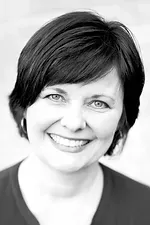
Barbara Farland is an English & Social Studies instructor at Brightmont Academy in Plymouth, Minn. She holds a master’s degree in Business Communication from the University of St. Thomas and, prior to pursuing a second career in education, worked as an award-winning public relations and communications professional in both the corporate and nonprofit sectors. As a “storyteller by nature and teacher at heart,” Barbara continues to contribute to various anthologies, among other writing projects.







“Brightmont gave my daughter
confidence and helped her love learning
again.”
– Parent of 8th grader

92% of Brightmont graduates are
accepted into their first-choice college

(888) 521-0887
To book a tour, talk to a campus director, or get a free consultation, please fill out the form.

©2026 Brightmont Academy®
