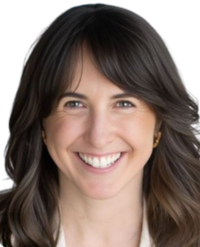
Dr. Elizabeth (Liz) Adams is a board-certified pediatric neuropsychologist and the founder of Minnesota Neuropsychology, where she specializes in evaluating dyslexia, ADHD, giftedness, and other learning differences. She holds a PhD in clinical psychology and earned ABPP-CN board certification — the highest credential in the field — after more than a decade in the neuropsychology of epilepsy. A co-editor of the textbook Neuropsychology of Women and a frequent community speaker and advocate for neurodiverse learners, Dr. Adams is committed to uncovering each individual's unique strengths and helping families understand the brain behind the struggle.
A Neuropsychologist's Dyslexia Guide: Signs & Intervention
Dr. Elizabeth Adams • July 8, 2026
For many of us, reading is such a natural part of everyday life that it’s easy to assume our brains were designed for it. In our webinar, Inside the Reading Brain: A Neuropsychologist's Guide to Dyslexia and Effective Intervention, Dr. Elizabeth Adams challenged that idea, explaining that the human brain did not evolve specifically to read. Instead, reading is something we learn by building and strengthening connections between different areas of the brain through instruction and practice.
Dr. Adams is a board-certified pediatric neuropsychologist and founder of Minnesota Neuropsychology, where she specializes in evaluating dyslexia, ADHD, and other learning differences. Her talk traced what happens inside the reading brain, why dyslexia makes that process less efficient, and how the right intervention can measurably change the brain over time. So what is dyslexia, exactly? This guide answers that question and walks through its causes, its signs at every age, and the interventions that genuinely work.
What is dyslexia?
Dyslexia is a built-in brain wiring difference, usually genetic in origin, that creates inefficiencies in two underlying processes: phonological processing (the brain's handling of speech sounds) and rapid automatic naming (the speed with which it processes letter symbols). The result is a slowing of reading efficiency. The International Dyslexia Association defines it as a specific learning disability marked by difficulty with accurate or fluent word reading and spelling, rooted in the language system rather than in effort or intelligence.
It's just as important to be clear about what dyslexia is not:
- It is not a vision problem—people with dyslexia do not "see letters backward."
- It is not untreatable.
- It is not an indicator of low IQ.
- It is not a marker of overall learning ability; it can co-occur with other challenges, but often does not.
- It is not something to hide or feel ashamed of.
That last point matters. Learning the science behind dyslexia is one of the most effective ways to dissolve any shame that can build up when a child struggles to read.

How does the brain learn to read?
To understand where dyslexia lives, it helps to understand reading itself. Dr. Adams pointed to psychologist Hollis Scarborough's Reading Rope, which pictures skilled reading as many strands woven together. The upper strands handle language comprehension—background knowledge, vocabulary, and reasoning. The lower strands handle word recognition: the "underlying cognitive mechanics" of phonological awareness, decoding, and sight recognition.
In dyslexia, the comprehension strands are usually intact. The inefficiency lies in the lower strands—the mechanics. People with dyslexia often understand language beautifully; what slows them down is the word-level machinery underneath. This is why dyslexia is best understood as a localized weakness in the phonological part of the language system, not a global language deficit. In fact, comprehension, reasoning, and vocabulary are frequently real strengths.
What does dyslexia look like at different ages?
Dyslexia shows up differently as children develop. Some common signs by stage:
- Preschool/kindergarten: trouble with rhyming and sound sequencing; difficulty with letter recognition and letter-sound associations.
- Elementary school: persistent letter reversals; skipping small connector words (the, and, but) while reading more complex words; guessing at words from context or the first letter; choppy oral reading; spelling struggles.
- Middle/high school: misreading written instructions and losing points on material they know; avoiding reading; not finishing tests; persistent spelling difficulty when dyslexia goes untreated.
A related point of confusion is dysgraphia. Spelling trouble can signal either condition, and Dr. Adams describes the two as overlapping circles with spelling in the middle. Dysgraphia, though, also involves the physical and organizational side of writing—letter formation, spacing, and punctuation—and is a separate diagnosis.
Gifted students can also mask their struggles entirely. Drs. Brock and Fernette Eide call this stealth dyslexia: a student compensates with strong vocabulary and reasoning so well that a teacher might call them one of the best readers in the class—especially since most schools stop listening to children read aloud after third grade. These students are also sometimes called “twice-exceptional.”
What's actually happening inside the dyslexic brain?
Reading draws on several regions in the brain's left hemisphere: an area at the back that processes letter symbols, areas behind the left ear that handle letter-sounds and word meaning, and a region toward the front for articulation. The crucial point is that these areas are not next to each other. To work together, they communicate across white matter tracts—what Dr. Adams calls "ropes of fibers."
Here is the take-home message:
The part of the brain that processes the symbols and the part that processes the sounds are not right next to each other. They're connected by a rope of fibers—and in the brains of people with dyslexia, that rope is thinner and sometimes more frayed.
The result is that information passes less efficiently between those regions. Dyslexia, in her words, "is not about knowledge—it's about efficiency of access." Remarkably, this difference appears very early: research from the Gaab Lab at Harvard has found thinner white matter in the key reading tract in babies as young as 18 months who have a family history of dyslexia. That tracks with how strongly dyslexia runs in families—when a parent has it, a child's odds are roughly 50%.
This early, biological picture also explains two everyday phenomena.
Letter reversals happen because, before a
b or
d is connected to a sound, it's just a shape—and the brain naturally mirror-reverses shapes (a crow facing either direction is still instantly a crow). Only once the shape is automatically linked to its sound does the brain process it as a true symbol and stop flipping it. And
guessing at words holds readers back because the brain's "word bank" only accepts deposits through decoding, not memorization. That's the source of a frustration many parents describe—she knew the word yesterday and doesn't today. Rote memorization simply doesn't stick the way sounding words out does.

How is dyslexia diagnosed?
The gold standard is a comprehensive neuropsychological evaluation—clinical testing, not a medical scan. It measures intellectual aptitude alongside the full range of academic skills (decoding, accuracy, fluency, comprehension) and the cognitive mechanics beneath them. One caution Dr. Adams emphasized: a quality assessment must include oral reading fluency measures—reading actual passages while rate and accuracy are tracked—because testing single-word reading alone misses fluency, one of the clearest signals of dyslexia.
Does dyslexia intervention actually work?
This is the most hopeful part of the story. The same neuroplasticity that lets the dyslexic brain adapt also means the reading network can be strengthened. The principle traces to neuropsychologist Donald Hebb—"neurons that fire together, wire together." When a student practices the sound-symbol connection to automaticity, those white matter tracts measurably strengthen; studies show increased myelination after structured, Orton-Gillingham-based intervention. The frayed rope, in other words, can be rewoven.
The framework that makes this work is structured literacy, defined by the International Dyslexia Association as instruction that is:
- Systematic — it follows a deliberate scaffold, teaching the orthographic system in sequence.
- Explicit — it assumes nothing and advances only after demonstrated mastery.
- Direct — ideally one-on-one, with the repeated, successful practice that builds automaticity.
Common approaches include Orton-Gillingham, Barton, Wilson, and Sonday. The encouraging bottom line: with this kind of instruction, an estimated 50–90% of people with dyslexia can become proficient readers.
How can families and schools support a student with dyslexia?
Dr. Adams frames support around two parallel paths. Parents sometimes worry that accommodations are a crutch, but the answer is that they only become one if they're all a student receives. The intervention path meets a student at their true mechanics level—below grade level at first—and builds systematically. The accommodation path gives that same student grade-level content through tools like audiobooks. A few practical takeaways:
- If there's any concern, listen to the child read aloud—don't assume all is well just because they grasp the meaning.
- Insist that any assessment include careful oral reading fluency measures.
- Pursue intervention rooted in structured literacy, paired with appropriate accommodations.
- Be consistent. Families see the biggest gains when practice is steady—summer and after-school included.
This is the model Brightmont Academy is built around. Brightmont's one-to-one instruction—one student, one teacher—lends itself naturally to the mastery-based practice structured literacy requires, and its Reading Intervention Program uses an Orton-Gillingham-based, multisensory approach with flexible, year-round scheduling. Because every program is designed for students with learning differences and delivered one-to-one, it can flex around each child—whether they need targeted reading support alongside their current school or a full-time private school option.
What strengths come with dyslexia?
It would be a mistake to end on the challenges alone. The dyslexic brain's unique wiring often brings real strengths—creativity, problem-solving, design, big-picture thinking, and seeing systems and flow. Dyslexia is well represented in fields like architecture, engineering, and tech, and one Harvard study even found that people with dyslexia were better at visually identifying black holes. Entrepreneurs such as Charles Schwab and Richard Branson have spoken openly about their dyslexia, alongside many writers and lawyers. Dyslexia doesn't preclude a career built on language; there are many ways to work around the challenges while leaning into the strengths.
When parents and educators grasp the why behind a child's experience, something shifts—from worried to empowered. As Dr. Adams's work makes clear, dyslexia is not a limit on a child's potential. It's a different kind of wiring that, taught the right way, can absolutely learn to read.
Keep exploring
If this guide was helpful, these related Brightmont Academy articles go deeper on topics that often accompany dyslexia:
- What Is a Gifted Student? A Guide for Parents and Educators — how high ability and learning differences can coexist, and why so many "twice-exceptional" students go unnoticed.
- How Private Schools for Learning Differences Support Growth — what to look for in a learning environment when a traditional classroom isn't the right fit.
- IEP vs. 504: Which Is Right for Your Child? — a plain-language guide to the two legal paths for securing your child support at school.
Meet the Author
More Blog Posts, News & Webinars

Students with ADHD often struggle to focus in school. Learn strategies for managing ADHD to help your child regain their academic confidence and learn more.

Choosing an online school for a gifted child? Explore the key factors, from mastery-based curriculum to expert instructors, to evaluate before enrolling.

Learn how Brightmont Academy's individualized, mastery-based learning empowers students to progress at their own pace after mastering each concept.
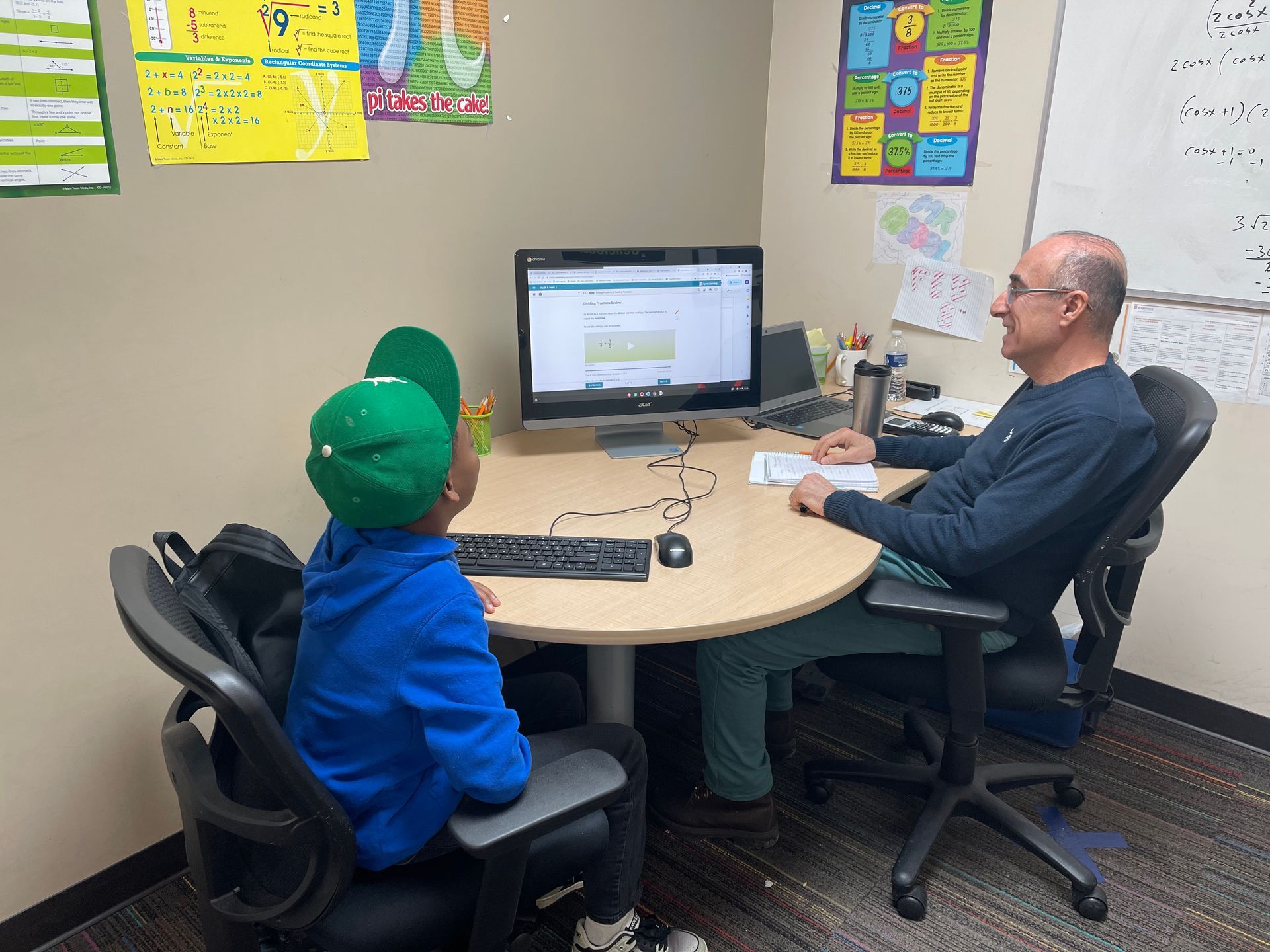
Looking for the best private school in Detroit? Discover the top institutions offering a customized curriculum that matches your child’s unique needs.

Is your child struggling or disengaged in school? Learn what true personalized learning means and how a one-to-one, mastery-based model could change everything.
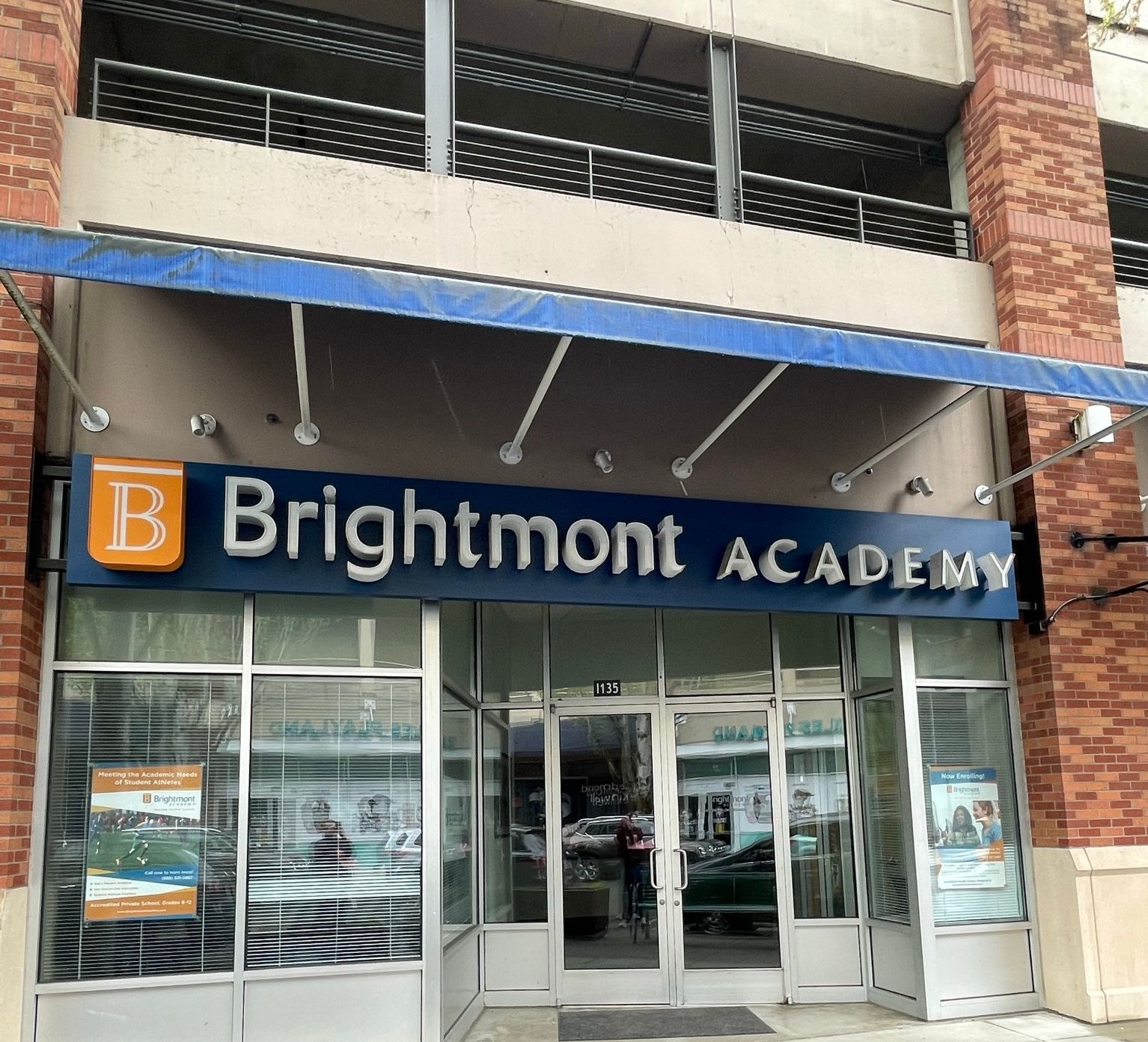
Read more on the ways Brightmont Academy Redmond campus engages students and make them each feel welcomed.

What is a student-teacher ratio, and how does this metric impact your child's learning? Learn the answers and find the ratio that matches your family’s needs.

Gifted and 2E students need a school that accelerates their academic progress and supports their emotional growth. Discover the top choices for gifted children.
Brightmont Academy Speaker Series