Aisha began working as an educator over twenty years ago. After serving as an executive center director, regional director, and associate director of learning centers, she realized that her love for teaching and coaching extends to both the students she has taught and to their entire academic team. This love ignites her passion for Brightmont Academy and the one-to-one learning model available to families seeking solutions for their children.
What Is One-to-One Teaching? Individualized Learning FAQs
Aisha Walker • April 9, 2026
Across the vast landscape of education, the traditional classroom setting has consisted of just one teacher addressing a large group of students. However, more recent studies show that personalized learning is often the best way for students to progress academically, emotionally, and socially.
In this article, we'll answer commonly asked questions about one-to-one teaching and explore the myriad benefits of individualized learning schools and how they can revolutionize the learning experience.
Frequently Asked Questions
How does one-to-one teaching work?
One-to-one teaching gives each student an education designed around their unique learning needs, adjusting the curriculum, schedule, and pedagogy. For example, in a traditional classroom, a student might become bored with the language arts material while struggling to keep up in algebra. In an individualized learning classroom, the instructor could tailor the syllabus and pacing to this student’s abilities, interests, and experiences, ensuring engagement in every subject.
What are the different approaches to personalized learning?
The goal of all one-on-one teaching is to accommodate each student’s needs while pushing them to meet their full academic potential. There are several possible educational models, including:
- Project-based learning: Students learn through hands-on projects, prioritizing real-world skill-building, and creatively demonstrating learning progress.
- Student agency and goal-setting: Many individualized learning programs encourage students to design their own syllabi to increase engagement and motivation.
- Data-driven instruction: Teachers analyze ongoing student performance data to identify growth areas and meet students where they are.
- Mastery-based learning: Brightmont’s mastery-focused educational model strives for academic excellence while avoiding an unhealthy obsession with grades. Pacing is adjusted to students’ needs, ensuring each learner feels both supported and challenged at every step of the process. When students fully grasp a concept before moving on, they stay motivated and experience real, lasting progress.
Who benefits from one-to-one teaching?
Many students benefit from one-to-one teaching, including:
- Students with mental health struggles, like anxiety, who have a hard time moving at a consistent pace or focusing on their work due to overstimulating environments.
- Gifted students who have grown bored with the repeated content or the slow pace of traditional classrooms.
- Students with learning differences who would benefit from more flexible learning styles.
- Student athletes or performers with busy schedules who don’t want to choose between school and continuing their passion.
Are there any schools dedicated to individualized learning?
Yes! Brightmont Academy is an individualized learning school for students in grades 1–12. We have campus locations across the country offering full-time and part-time options for students. Every Brightmont classroom has a one-student-to-one-teacher ratio, ensuring your student receives the personal attention they need to excel academically, emotionally, and socially.
Learn more about how Brightmont’s one-to-one classrooms support academic growth in the video below:
The Benefits of One-to-One Teaching
1. Personal Attention
One of the primary advantages of one-on-one teaching is the ability to tailor the learning around each individual student. Every learner is unique, with distinct strengths, growth areas, and learning styles. In a one-on-one setting, educators can create a customized curriculum that addresses each student's specific needs, fostering a deep understanding of the subject matter.
2. Individualized Pace
In a traditional classroom, the pace of learning is often set by the majority, leaving some students struggling to keep up or others feeling insufficiently challenged. One-on-one learning environments allow for a personalized pace, so that a student masters each concept before moving on. This tailored approach promotes a solid foundation of understanding, laying the groundwork for more advanced learning.
3. Immediate Feedback
Feedback is crucial for student growth, and individualized learning enables immediate, targeted feedback. Teachers can promptly identify misconceptions or areas of struggle and address them in real time. This instant, personal feedback loop accelerates growth and helps students build confidence in their abilities.
4. Enhanced Focus and Attention
In a one-on-one setting, there are no distractions from classmates, allowing students to maintain heightened focus. Teachers can adjust their methods to align with each student’s preferred way of learning and thinking.
5. Building Stronger Teacher-Student Relationships
The close interaction inherent in one-to-one teaching fosters stronger teacher-student collaboration. Educators can better understand their students' personalities, learning styles, and interests. This connection often extends beyond academics, providing a mentorship-like relationship that positively impacts a student's overall development.
6. Confidence Building
When students feel truly seen and supported, their confidence grows. In a one-to-one setting, students are more likely to engage actively in discussions, ask questions, and take risks without fear of judgment. This confidence carries throughout and beyond their academic career.
7. Flexibility and Adaptability
Schools specializing in one-to-one teaching are inherently flexible, allowing educators to adapt their teaching methods on the fly based on each student's progress and needs. This adaptability is particularly beneficial for addressing learning gaps, providing additional support, or exploring advanced topics based on the student's readiness.
8. Tailored Learning Environment
The physical learning environment can be tailored to suit the student's preferences. Whether it's the choice of study materials, the seating arrangement, or the overall ambiance, the one-on-one setting allows for customization, creating a comfortable, focused learning environment.
Transforming Learning Through One-on-One Teaching
In the quest for effective educational methods, individualized learning schools have proven the transformative power that personal attention, tailored pacing, immediate feedback, and the development of strong teacher-student relationships have on student outcomes. As we continue to explore innovative approaches to education, the one-on-one teaching model stands out as a beacon of student-focused learning.
More Blog Posts, News & Webinars
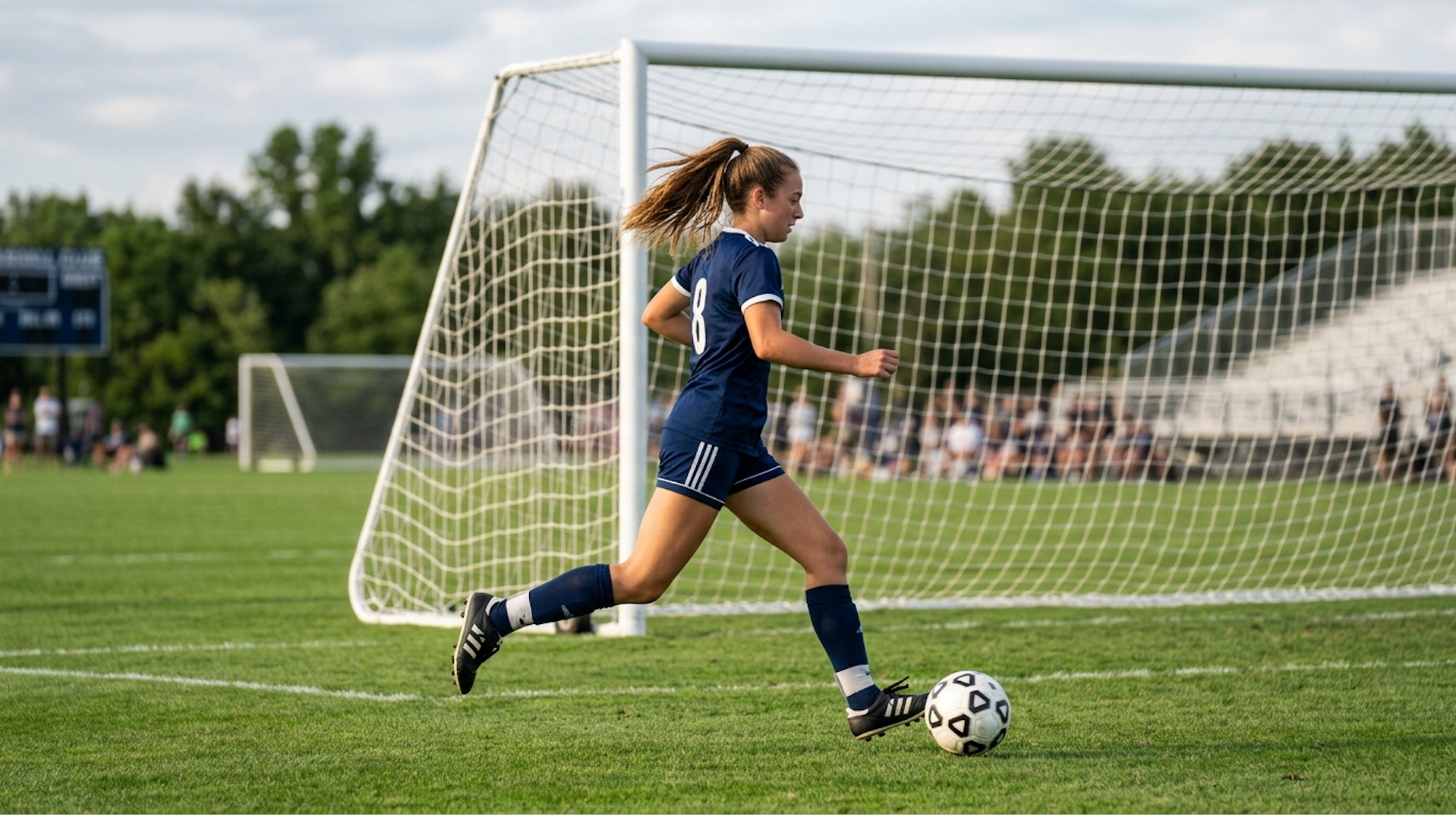
Learn how flexible accredited high school programs for athletes help students balance their academic goals with their passion for their extracurricular sport.
Get a closer look at one-to-one instruction and how personalized learning can be tailored to different students, schedules, and goals.
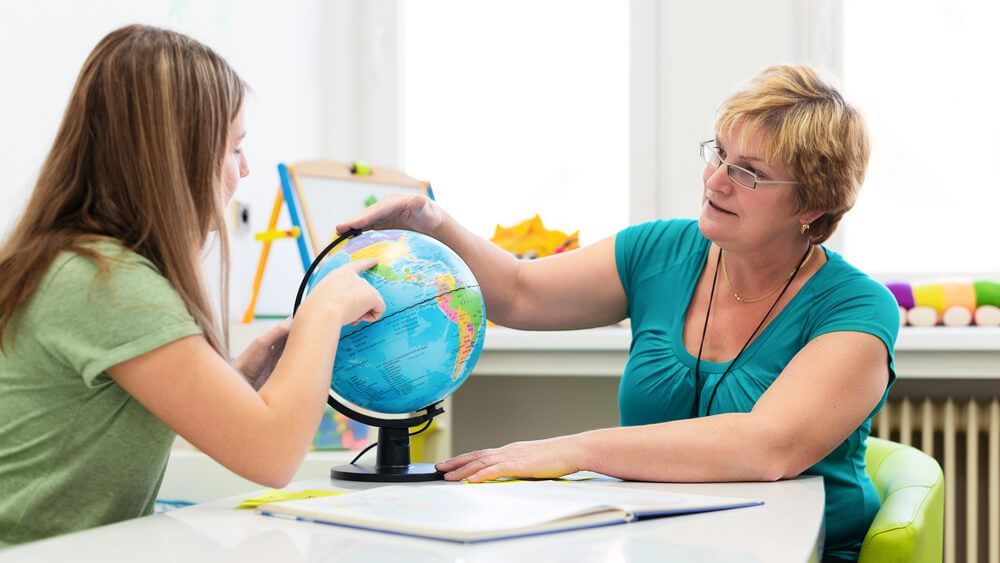
Tutoring for ADHD goes beyond basic review to accommodate unique learning needs. Discover how personalized instruction and executive functioning support help.
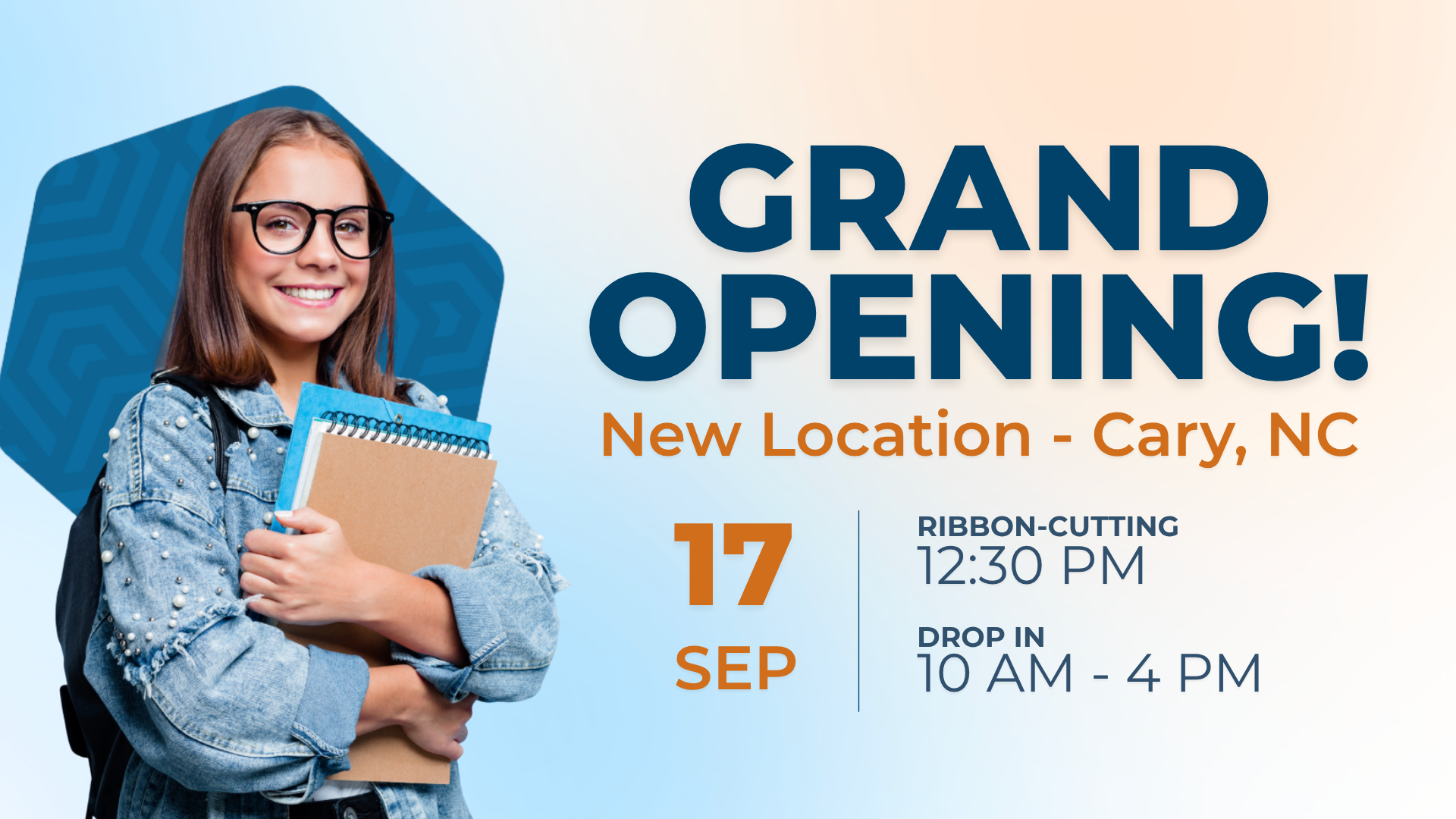
Brightmont Academy's newest campus, its second in North Carolina, is now open and enrolling students in Cary.
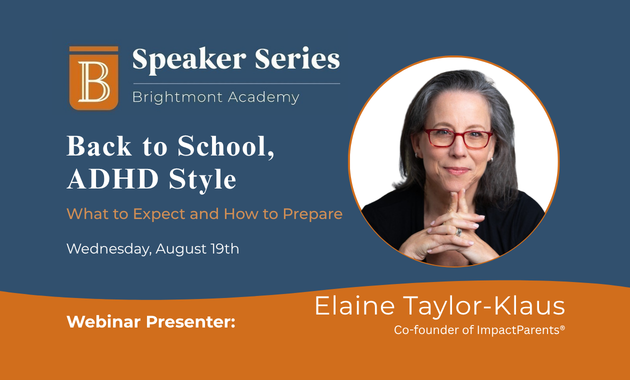
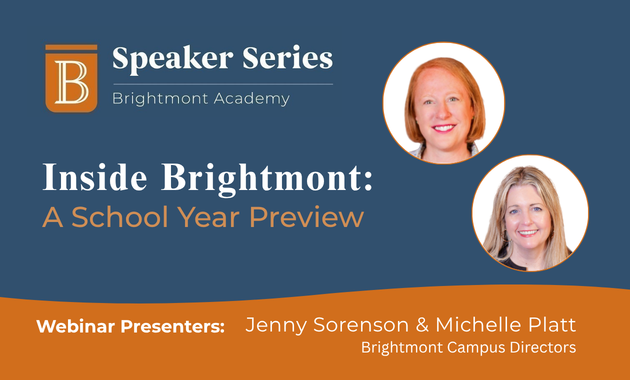
Brightmont Academy Speaker Series

Looking for the right educational environment to support your child’s mental and emotional wellbeing? Discover crucial accommodations for students with anxiety.

Anxiety can have a profound impact on student learning. Discover strategies and resources to support your child's mental and emotional wellbeing in this guide.

In this special education rights guide from an attorney, learn what accommodations the law guarantees, how IEPs and 504 plans work, and advocacy tips.
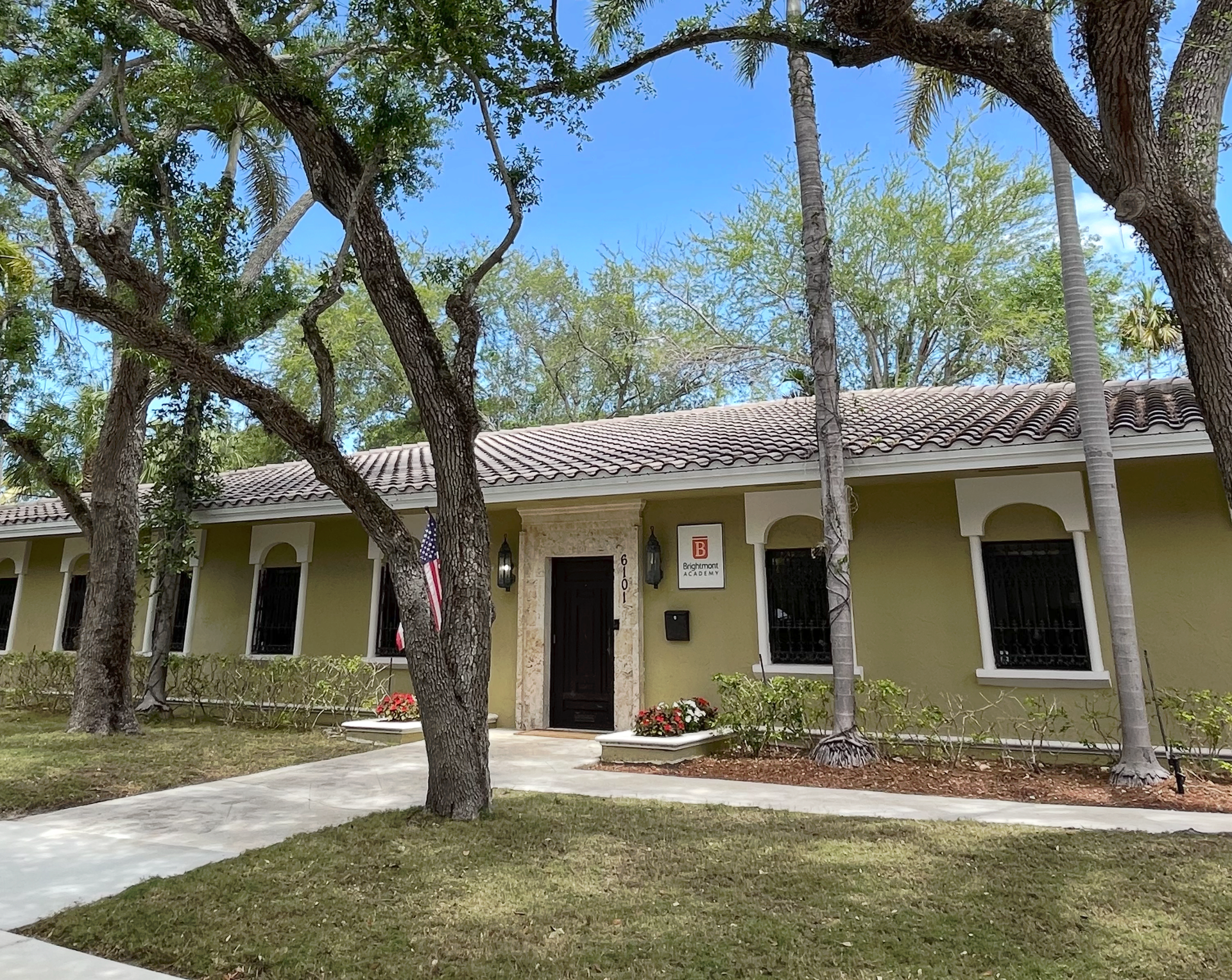
Brightmont Academy is expanding its Miami private school campus, adding classrooms to serve more families seeking personalized, one-to-one instruction.