Three Keys for Successful Teacher/Therapist Collaboration

Barbara Farland • December 11, 2024

Three keys for Successful Teacher/Therapist Collaboration

Many students at Brightmont Academy are diagnosed with learning differences and/or mental health issues that affect their academic success and overall well-being in a traditional school setting. More often than not, this means that such students, along with their families, are navigating not only a school schedule, but also therapy appointments

(e.g., counseling, occupational therapy, doctor visits). 


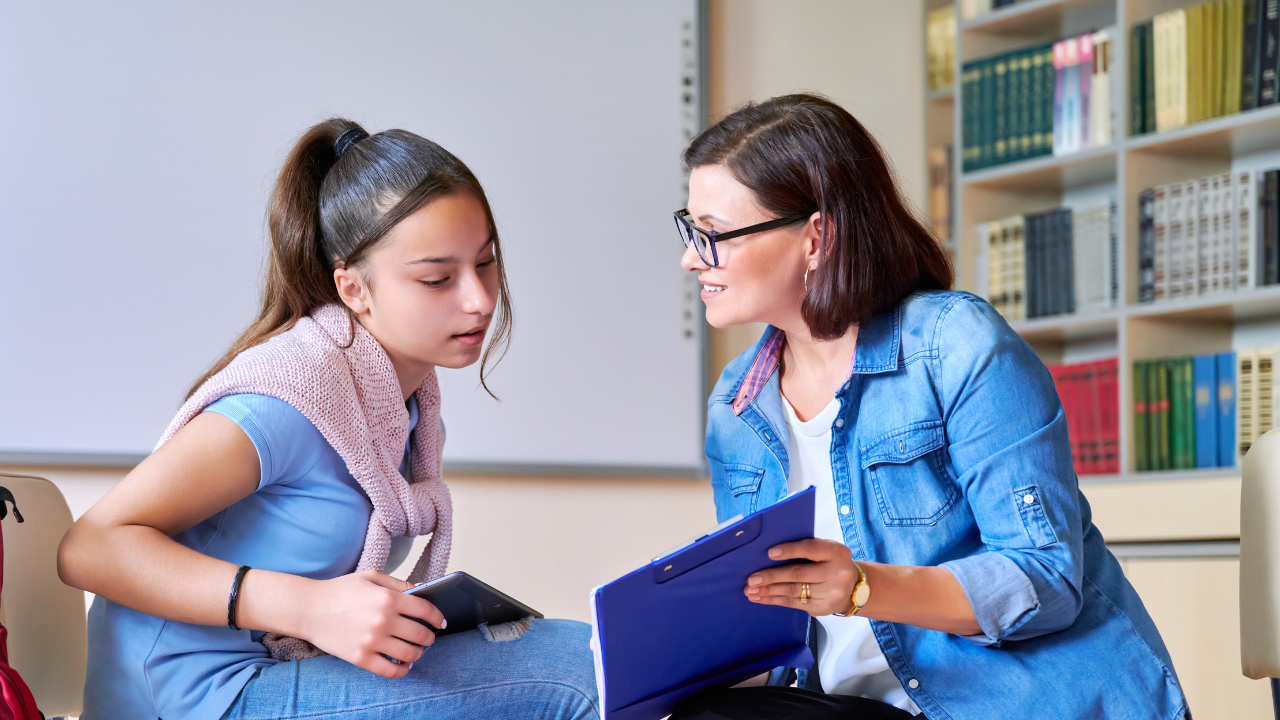
School has its obvious benefits. So does therapy. But what happens when teachers and therapists collaborate on behalf of the students they serve? Many agree that establishing professional partnerships is critical and yields the very best short- and long-term benefits for students. Simply put, it all boils down to how teachers and therapists communicate with each other in three key areas: needs, goals, and techniques. In turn, they can work together in answering three important questions: 1) What does each student need? 2) What should be done? and 3) How should it be done?
Identify student needs

Teachers and therapists each have a unique vantage point in observing student behavior and identifying student needs. 


Teachers are keen observers and take notice of how their students’ strengths and challenges manifest in day-to-day life. Though the priority of teachers is to support academic success, they have become well-versed in more holistic care, coaching, and instruction. Consider the prevalence of social-emotional learning strategies in recent years, for example. 

In contrast, therapists dive deeply into why students operate as they do. In the process, therapists weigh various scientific theories, findings, and interventions that could help students enjoy happier, more ambitious lives at home, school, and wherever they might be. Professional counseling is a typical intervention among students with learning differences, social challenges, and/or anxiety, with some cases also requiring medication.


Though both professions are distinct in their roles and expertise, commitment to discovering and meeting student needs is tantamount for teachers and therapists. However, how much better could they accomplish this mission with the help of each other’s insights? How much better could teachers lead students through curriculum and set up their classrooms for success by knowing more about their student’s mental and emotional make-up and triggers? How much better could therapists examine their clients’ motivations and behaviors with the help of teachers who interact with their clients daily? The answer is clear: It’s better for all involved. 


Develop shared goals

Another key way that teachers and therapists can work together is by developing comprehensive plans for students and working toward shared goals.


For example, if it’s determined that a student needs to learn better organizational skills, their therapist may investigate what is at the heart of that challenge. Their teacher may also determine that organization is particularly difficult given certain media (e.g., paper assignments versus online work), subject matter, environmental factors, etc. Working together, the therapist and teacher may suggest a shared goal to the student and their family. Perhaps maintaining an online assignments list or devising a color-coding system for taking notes becomes a relevant goal. Whether at school or at a counseling appointment, such goals are front and center, monitored and nurtured by both teacher and therapist. 


Use common techniques

Beyond identifying needs and developing shared goals is arriving at common interventions between classrooms and counseling offices—and the students’ homes, too.


Increased anxiety and confusion might strike if students are told to do one thing by their teachers, another by their therapists, and yet another by their parents. Sometimes techniques complement each other, but other times they might seem contradictory. Imagine a teacher always advising a student to combat their anxiety by taking a walk outside the classroom. In contrast, that same student may be told by their therapist to remain calm and still and just breathe when anxiety occurs. Though it’s good to have numerous coping techniques at one’s disposal, there is power in adopting one specific, intentional, and personalized routine across a variety of scenarios and environments.


Common vocabulary also supports the concerted effort. Again, intentionality is key. Always use the word “goals” versus “objectives” or another like word, for instance. Always refer to each other by the same name/role: “teacher” versus “instructor,” “therapist” versus “counselor.” And always be aware of repetitive language and set some standards together on the terms everyone will use. Such tactics will help keep communication more efficient and clear for students and adults alike. 

What true collaboration looks like 
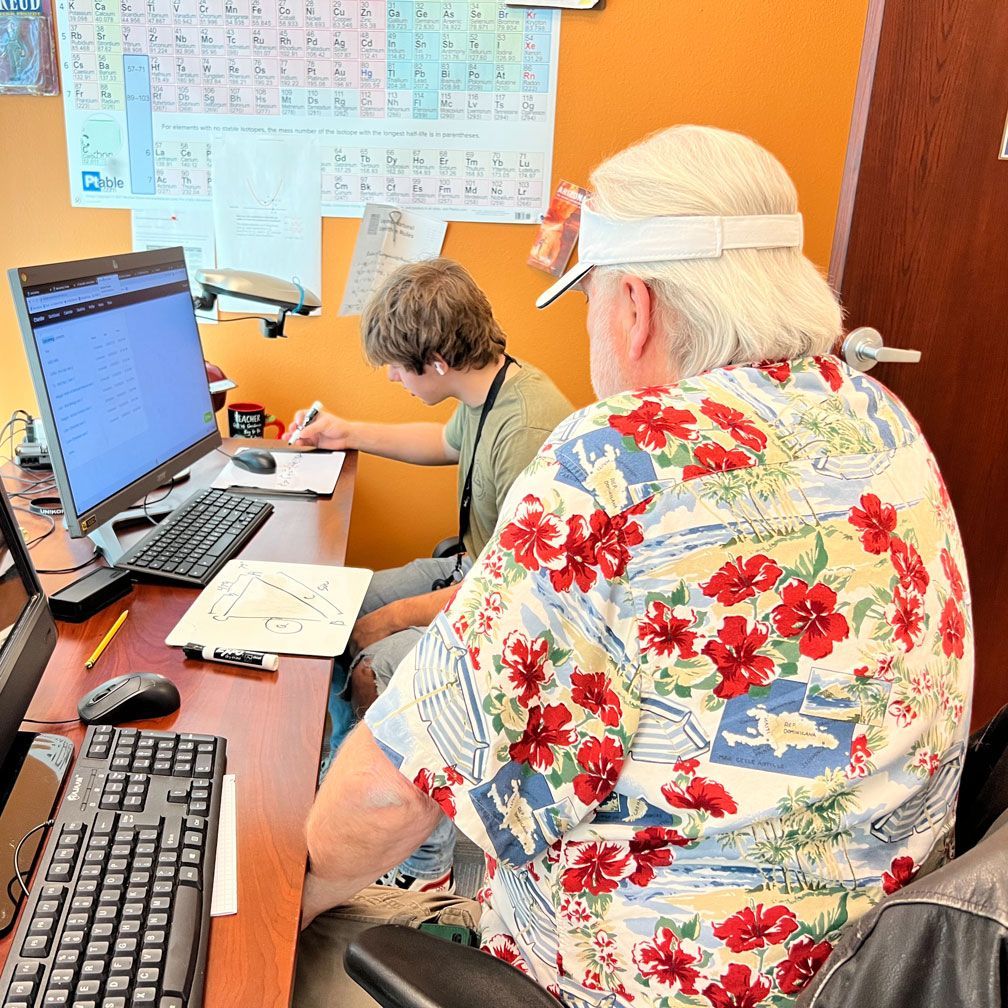
What collaboration looks like in a

practical sense is up to the parties

involved and may be governed

by confidentiality policies and other

requirements of their respective

organizations. The work between

teachers and therapists might entail

occasional meetings or phone calls, a

shared Google doc, and/or other avenues

for sharing and thinking through their

students’ circumstances. In other words,

there will be some decisions to make upfront. 

Though the three keys above deserve rapt attention, foundational to the whole process of collaboration is mutual respect for each other’s profession. Teachers and therapists both bring a lot to the table—one is not more important than the other, more knowledgeable than the other, more prestigious than the other, etc. Mutual respect also helps everyone keep the main thing the main thing: concern for students and their well-being. This is always at the heart of Brightmont’s work, and we value the opportunities to collaborate with others—including therapists—who share in this mission.

Barbara Farland is an English & Social Studies instructor at Brightmont Academy in Plymouth, Minn. She holds a master’s degree in Business Communication from the University of St. Thomas and, prior to pursuing a second career in education, worked as an award-winning public relations and communications professional in both the corporate and nonprofit sectors. As a “storyteller by nature and teacher at heart,” Barbara continues to contribute to various anthologies, among other writing projects. 
More Blog Posts + News


By Rachel Pollock December 10, 2025
The School Embraces Neurodiversity When choosing the right school the curriculum offered at the school must support students' needs. Some parents consider the use of adaptive digital platforms that support the needs of students who struggle with material management. Parents hope for Instruction from experts trained in adaptive curriculum and subjects so that they are prepared to adjust on the fly. Parents need to feel confident their child’s unique learning style will be supported and nurtured. Sensory Friendly Distraction-Reduced Spaces and Quiet Areas Small classrooms with a small teacher-to-student ratio allows for distraction-reduced spaces and quiet areas. Reducing distractions and disruptions from others allows the student in the smaller classroom to focus. In the 2020 research published in Science Direct students shared their experience about why they tended to gravitate towards the library in a traditional school. “The separate, more contained and manageable nature of the space is highlighted, as well as the more relaxed furnishings and homelike decor. The ‘quietness’ of the space is related to libraries typically being quiet places, but also…due to the presence of soft furnishings, carpets and books acting to dampen the sound. [Students} discuss the library as a social space, where they can ‘chat with friends’, in a more conducive environment than an invasive corridor or clattering classroom.” Focus and engagement are two important components to student success. When students feel at ease and successful they feel motivated to come back to school day after day and quench their curiosity in their academic subjects. Muting, filtering and transforming space: Autistic children's sensory ‘tactics’ for navigating mainstream school space following transition to secondary school - ScienceDirect Individual Attention
By Tony Beals December 3, 2025
Perfectly Imperfect
Lady refusing to get out of bed
By Barb Farland November 26, 2025
It’s a Monday morning and, as usual, Nora awakens to the chime of her phone alarm. It’s time to get ready for school, but Nora’s parents have a hard time remembering a drama-free morning when she didn’t dawdle, complain of a stomach ache, become really emotional, etc. In fact, Nora hasn’t ridden the bus in two months and has been marked tardy a whopping 21 times. Pair these incidents with six full-day absences this semester, and Nora’s parents feel more than frustrated. They’re legitimately concerned about Nora’s mental health and overall well-being. And they should be. Nora is among the 2-5 percent of students nationwide who struggle with school refusal—and it’s not to be taken lightly.  What is school refusal? What does it look like? And how can families address the issue of school refusal and overcome its characteristic behaviors and consequences? This is what we know…
By Barb Farland November 19, 2025
Flexible Schooling Options for Competitive Athletes and Performers
teacher and student smiling
November 17, 2025
Private School Specializing in One-to-One Instruction for 1st-12th Grade Students National — As Thanksgiving approaches, Brightmont Academy, a private accredited school offering one-to-one instruction, is taking a moment to reflect on a year filled with growth, gratitude, and student success. With multiple new campus openings in 2025 and plans to open several more soon, Brightmont continues to expand its mission of transforming education through individualized instruction that empowers each student to reach their full potential. Keith Jackson, Marketing Director at Brightmont Academy, shared his appreciation for the families who have made this mission possible. “This Thanksgiving, we’re especially grateful for the families who trust Brightmont Academy to provide a one-to-one education that helps their children thrive,” Jackson said. “Every student’s success story is a reminder of why we do what we do.” Brightmont’s unique model of personalized learning has helped countless students rediscover confidence and joy in the classroom. This season of gratitude serves as a reminder of the small victories that make a big difference in each student’s educational journey. “At Brightmont Academy, gratitude comes from seeing students who once struggled now finding confidence and joy in learning,” Jackson explained. “Thanksgiving reminds us how important it is to celebrate progress, big and small.” The spirit of Thanksgiving also reflects Brightmont’s core values of connection and collaboration. Just as families gather around the table to share gratitude, Brightmont brings together teachers, students, and parents as partners in each child’s education. “Just as Thanksgiving brings families together, Brightmont Academy brings teachers, students, and parents together as a team to create an individualized education plan that truly fits each child,” Jackson said. As families give thanks and look ahead to the new year, Brightmont Academy invites prospective parents to visit a campus and experience firsthand how personalized education can transform a child’s life. With four new locations opening this year, Brightmont continues to offer more families the opportunity to discover a learning environment where students flourish both academically and emotionally. Families interested in learning more are encouraged to schedule a campus tour and see how Brightmont’s one-to-one instruction is changing lives across the country. Brightmont Academy is located in nine states and is currently accepting enrollments. Brightmont Academy is an accredited private school that provides one-to-one instruction. One experienced teacher works with one student throughout every learning session. Customized full-time programs and individual courses are offered for grades 1-12. Students can also receive individualized tutoring for all 1-12 subjects, study skills, and test prep. Brightmont Academy has served thousands of students since 1999 and has 21 campuses in Arizona, Colorado, Florida, Georgia, Illinois, Michigan, Minnesota, North Carolina, and Washington. For more information call 1-888-521-0887 or visit: www.brightmontacademy.com . Watch our video: Brightmont Academy - The One-to-One Flexible school - 1st through 12th
By Rachel Pollock November 12, 2025
Is there support for your student if they are struggling? What are the class sizes? Do the teachers personalize learning and know their students? Does the school schedule work for your family? Is the school accredited? Does the school offer academic rigor for your child? Does the school have a good reputation and location? Are students college and career ready after graduation? 
Reluctant Teen
November 10, 2025
Private School in Mendota Heights Specializing in One-to-One Instruction for 1st-12th Grade Students Mendota Heights, MN — Brightmont Academy, a private accredited school offering one-to-one instruction, is helping families stay informed and connected through its Speaker Series, a free monthly webinar designed to support parents and students. Hosted by Minnesota Campus Directors Michelle Platt of Mendota Heights and Jenny Sorenson of Plymouth, the virtual sessions feature expert speakers discussing topics that matter most to families—ranging from ADHD and adolescent anxiety to sleep issues and school transitions. The Speaker Series began as a way to make professional insight more accessible to Brightmont families. “A big part of my job is networking, and I’m constantly meeting trusted professionals through events, referrals, and outreach,” explained Platt. “The Speaker Series gives families direct access to these experts and helps parents feel connected while learning more about Brightmont Academy and the many resources available to them.” Each hour-long session allows parents to engage in real time with speakers and ask questions through a live chat. Topics have included ADHD, adolescent anxiety, evaluations, sleep, and school avoidance—issues that often impact students’ academic and emotional well-being. “Each speaker shares actionable tips for parents while also giving families a chance to learn more about Brightmont’s unique strengths, such as open enrollment, flexible scheduling, part-time and full-time options, skill building, and executive function programs,” said Platt. The response to the Speaker Series has been overwhelmingly positive. Families can RSVP for upcoming sessions on Brightmont’s website, and recordings are available afterward on Brightmont’s YouTube channel and social media platforms. “For me, the series has strengthened relationships with families and professionals, given me new insights as a director and parent, and expanded the network of resources I can confidently recommend,” Platt said. “Most importantly, it ensures Brightmont families feel supported not just by our school, but by a wider community of experts.” See our webinar recordings and RSVP to upcoming webinars. Brightmont Academy is located at 720 Main Street, Suite 101, in Mendota Heights and is currently accepting enrollments. Families and professionals are invited to attend an Open House event on Thursday, November 20th, 2025, between 10:00 AM and 4:00 PM. Brightmont Academy is an accredited private school that provides one-to-one instruction. One experienced teacher works with one student throughout every learning session. Customized full-time programs and individual courses are offered for grades 1-12. Students can also receive individualized tutoring for all 1-12 subjects, study skills, and test prep. Brightmont Academy has served thousands of students since 1999 and has 21 campuses in Arizona, Colorado, Florida, Georgia, Illinois, Michigan, Minnesota, North Carolina, and Washington. For more information call 1-888-521-0887 or visit: www.brightmontacademy.com . Watch our video: Brightmont Academy - The One-to-One Flexible school - 1st through 12th
By Tony Beals November 5, 2025
The Boy, The Horse, and The Lesson We Forget in Teaching
Alesia Stevenson
November 3, 2025
Private School in Raleigh Specializing in One-to-One Instruction for 1st-12th Grade Students Raleigh, NC — Brightmont Academy, a private accredited school offering one-to-one instruction, is pleased to announce the appointment of Alesia Stevenson as the new Campus Director of its Raleigh campus. Stevenson brings a rich background in education, business, leadership, and community engagement, along with a passion for helping students discover their strengths and succeed through personalized learning. Stevenson has spent her career fostering environments where both students and teams can thrive. She has worked extensively in education and organizational leadership, focusing on expanding access to resources and tailoring support to meet individual needs. As both an educator and a parent, Stevenson has experienced first-hand the life-changing impact of individualized instruction. “My background spans education and program development, often in environments where meeting students and families ‘where they are’ is essential,” said Stevenson. “That experience translates directly into Brightmont’s model, which focuses on tailoring instruction to each student’s unique strengths, challenges, and goals.” Stevenson first learned about Brightmont while researching alternative education models centered on the student learning experience. Brightmont’s one-to-one instruction stood out as both innovative and aligned with her vision of student success. “I was drawn to Brightmont because the role allows me to bring together my experience in education, leadership, and community engagement to create meaningful impact,” Stevenson said. “The opportunity to lead a campus where every student receives personalized support felt like a natural extension of my passion for helping young people succeed.” At Brightmont, Stevenson is eager to establish the Raleigh campus as a trusted resource for families seeking alternatives to the traditional classroom. She envisions a school community where students build confidence and resilience alongside academic progress. “My vision is to see our Raleigh campus grow into a trusted educational home for students and families seeking a more personalized path,” Stevenson said. “I believe Brightmont’s individualized approach will resonate in Raleigh, a dynamic city where families value strong, innovative educational options.” Brightmont Academy is located at 6070 Six Forks Rd in Raleigh and is currently accepting enrollments. Brightmont Academy is an accredited private school that provides one-to-one instruction. One experienced teacher works with one student throughout every learning session. Customized full-time programs and individual courses are offered for grades 1-12. Students can also receive individualized tutoring for all 1-12 subjects, study skills, and test prep. Brightmont Academy has served thousands of students since 1999 and has 21 campuses in Arizona, Colorado, Florida, Georgia, Illinois, Michigan, Minnesota, North Carolina, and Washington. For more information call 1-888-521-0887 or visit: www.brightmontacademy.com . Watch our video: Brightmont Academy - The One-to-One Flexible school - 1st through 12th
More Posts