The Future of Education and What It Might Look Like

Jamie Bachmann • February 5, 2025

The Future of Education and What It Might Look Like

In the past, the American Educational System was much easier to understand and navigate. Your choices were public schools or private/parochial schools, and those private schools could be either in your general vicinity, or outside of your area to the degree at which your students moved in and stayed there. This was the case for prep schools and military academies. In situations in which students had major infractions against their schools’ policies and had been removed from the traditional educational environment, “alternative” schools were available.


Today, depending on a family’s financial capabilities and the laws of the state in which they live, parents might be able to have their students bussed to successful area public schools, pay for area parochial schools for every conceivable religion, or move away to prep or military academies, just like in the past. Alternative schools still exist for those students who have been removed from the traditional environment for one reason or another. However, now, students might also score their way into a private academic school or “magnet school” that specializes in a particular academic subject, or they may pay to send their children to a charter school that is a privately owned company. Still another new option would be to send a student to a private online school. Brightmont Academy (https://www.brightmontacademy.com/) is one such example. With their one-to-one model, they are a standout.
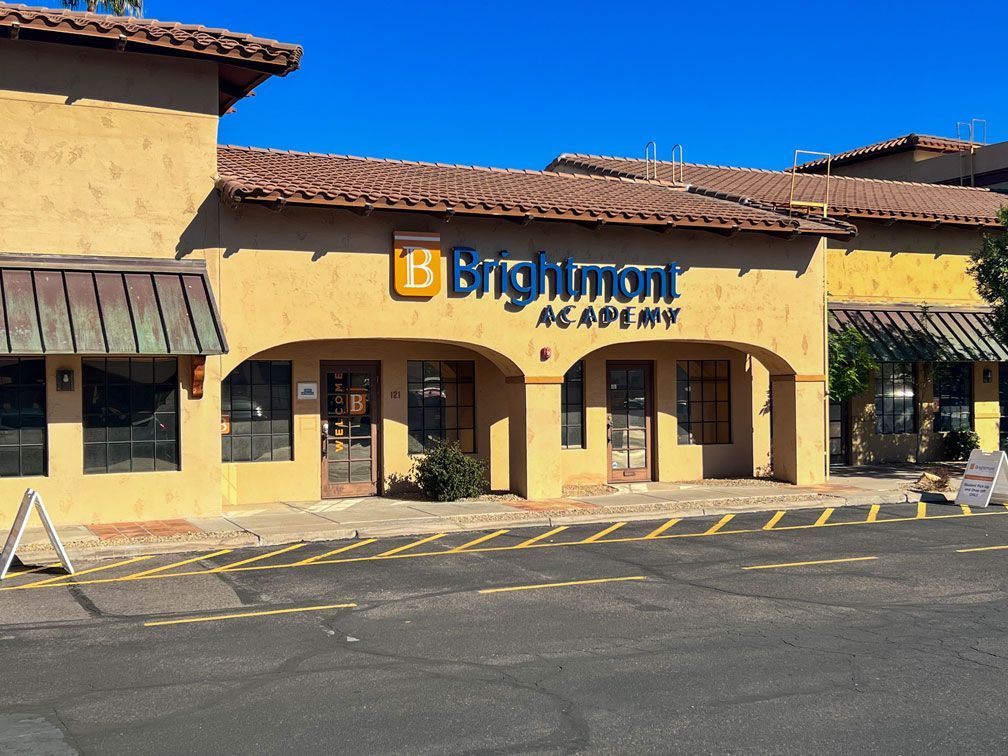
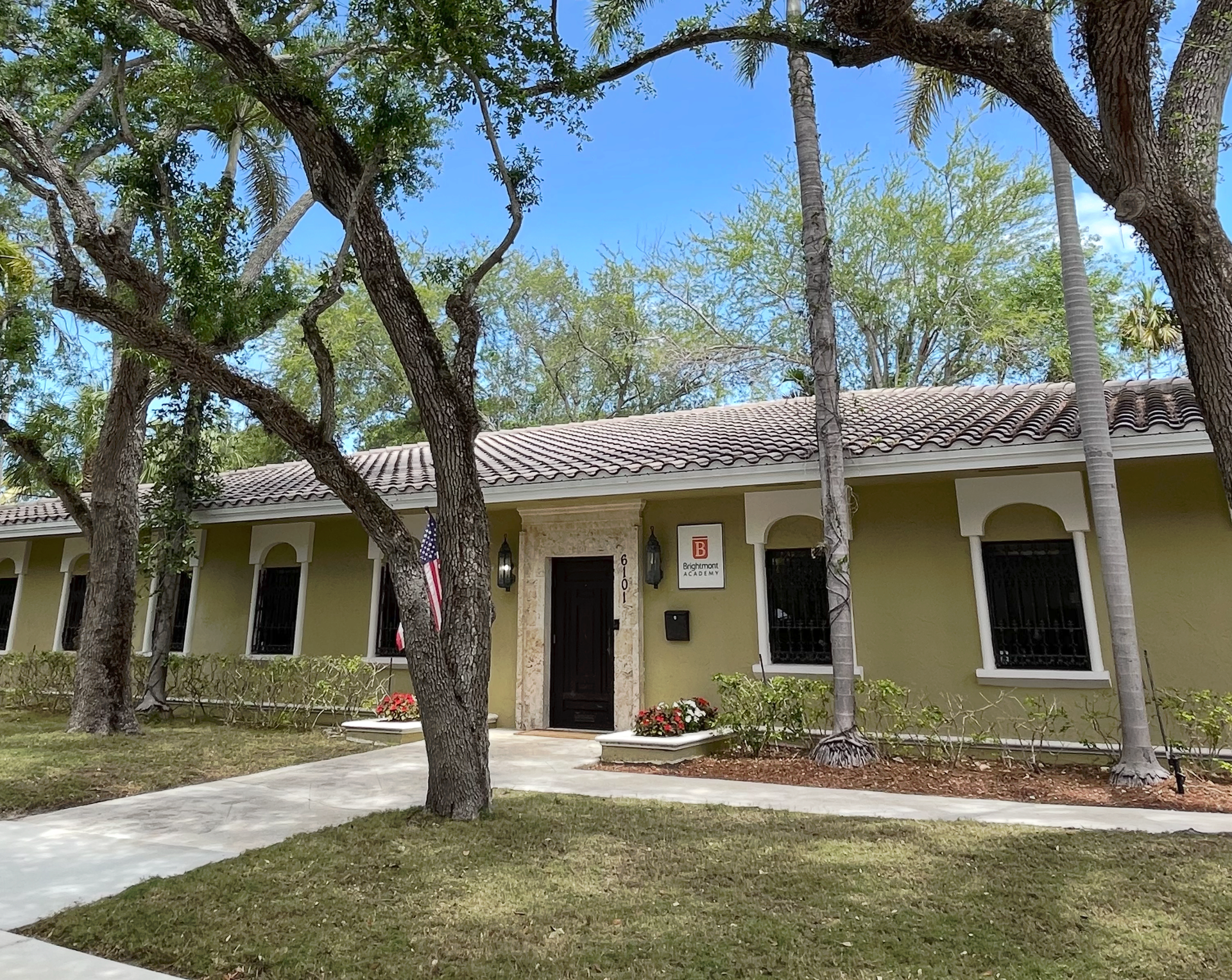
Building entrance with Brightmont Academy logo

Sadly, some of these newer educational options have had some… issues. According to a Washington Post article from August 6, 2020,


“...charter school failure rates between 1999 and 2017 found that more than one-quarter of the schools closed after operating for five years, and about half closed after 15 years, displacing a total of more than 867,000 students.”

(https://www.washingtonpost.com/education/2020/08/06/new-report-finds-high-closure-rates-charter-schools-over-time/)


In the recent past, along with numerous hands-on industrial arts courses, “night school” programs have been completely cut from district budgets throughout the country. These students are high school upper-classmen who may be semi-professional or olympic level athletes in training, professional performers, or students challenged with any variety of learning and/or emotional diagnoses. They could also have an important day job that brings them necessary income, which outweighs their desire to succumb to the tight structures and time constraints of the typical school day.


In this Post-COVID world of today, we now know that some students benefited from the lack of school extras like assemblies, pep rallies, and activities that do not pertain to them, as well as from the smaller environment provided by the online school experience. Additionally, parental concerns about educational biases have led many to pull their children from public schools and create their own home-school environments.
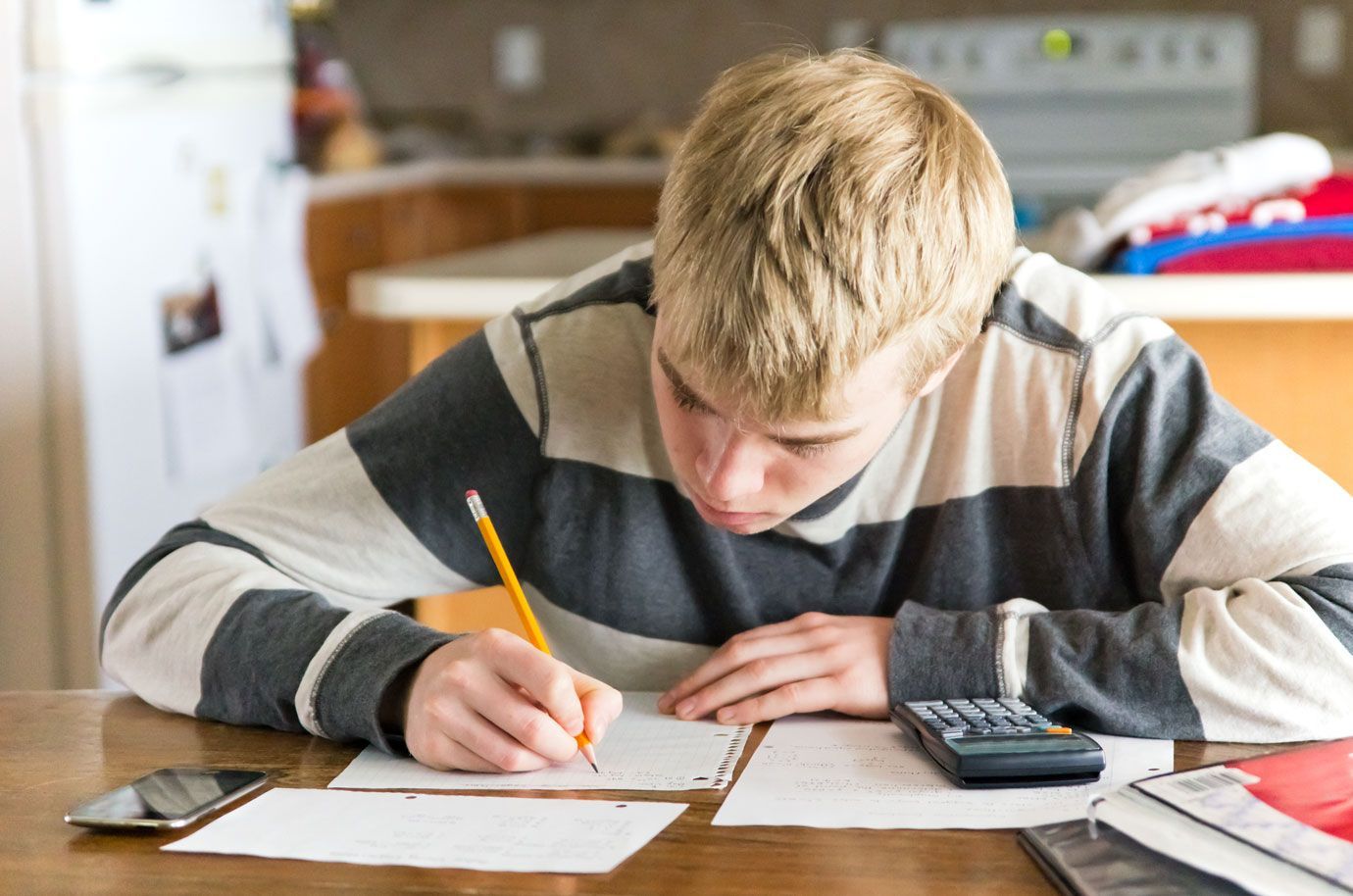
When pro-traditional schooling parents express concerns for non-traditionally schooled children’s socialization, they fail to remember the number of private and park district sports clubs and leagues, as well as trainers, and gyms available to them. There also exist myriad art and academic interest clubs and classes available to community members.


With all of these changes and options available, coupled with the programs, courses, and clubs that have been cut from school budgets, the educator in myself tends to want to look through my own crystal ball to hypothesize as to what the future holds for education. And I’m not talking about just five or ten years in the future, but in a distant enough future in which the entire education system would have changed. For this, I turn to the online, one-to-one model of education.


In my vision, I could potentially see smaller educational communities sprouting up in neighborhoods in much the same way that churches have done. They could deliver a neutral, unbiased, general curriculum under the tutelage of certified, trained teachers that would allow students to move at their own pace and in their own choice of times. These schools could operate on much closer to a 24-hour availability and provide everything from 1st grade through Senior year courses to the courses that are currently covered by community colleges, and they could even train people for things like citizenship, childcare, and essential life skills and job training. Elderly-specific education could also be a possibility.


For school-age students, this concept could allow for more free time and a more flexible schedule. Gone might be some of the early morning fights to wake up growing young people to force them to get to school before they are marked tardy. In an article published by the Center for Disease Control and Prevention (CDC) titled simply “Schools Start Too Early,” it opens by stating
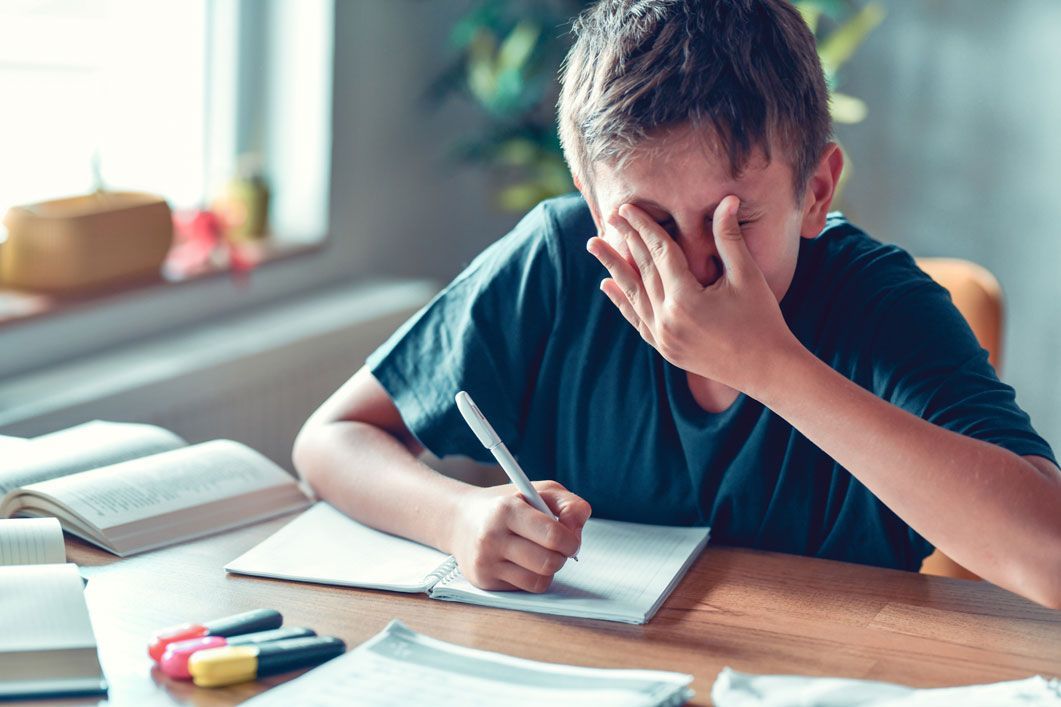
“Not getting enough sleep is common among high school students and is associated with several health risks including being overweight, drinking alcohol, smoking tobacco, and using drugs, as well as poor academic performance.”

(http://medbox.iiab.me/modules/en-cdc/www.cdc.gov/features/school-start-times/index.html)


For adult students, the flexibility could allow those with jobs the ability to advance themselves either in their careers, or into other careers, at the pace and at the times that make most sense for them and their schedules. Additionally, retirees and adults on disability leave could pursue their educational interests in their own neighborhoods.


And these ideas are not so far-fetched. As I said, I believe the online one-to-one format for education, like that exemplified by Brightmont Academy, is already sort of handling these roles. With a little vision and expansion of their curricula, my crystal ball vision may be a lot closer than we may think. 
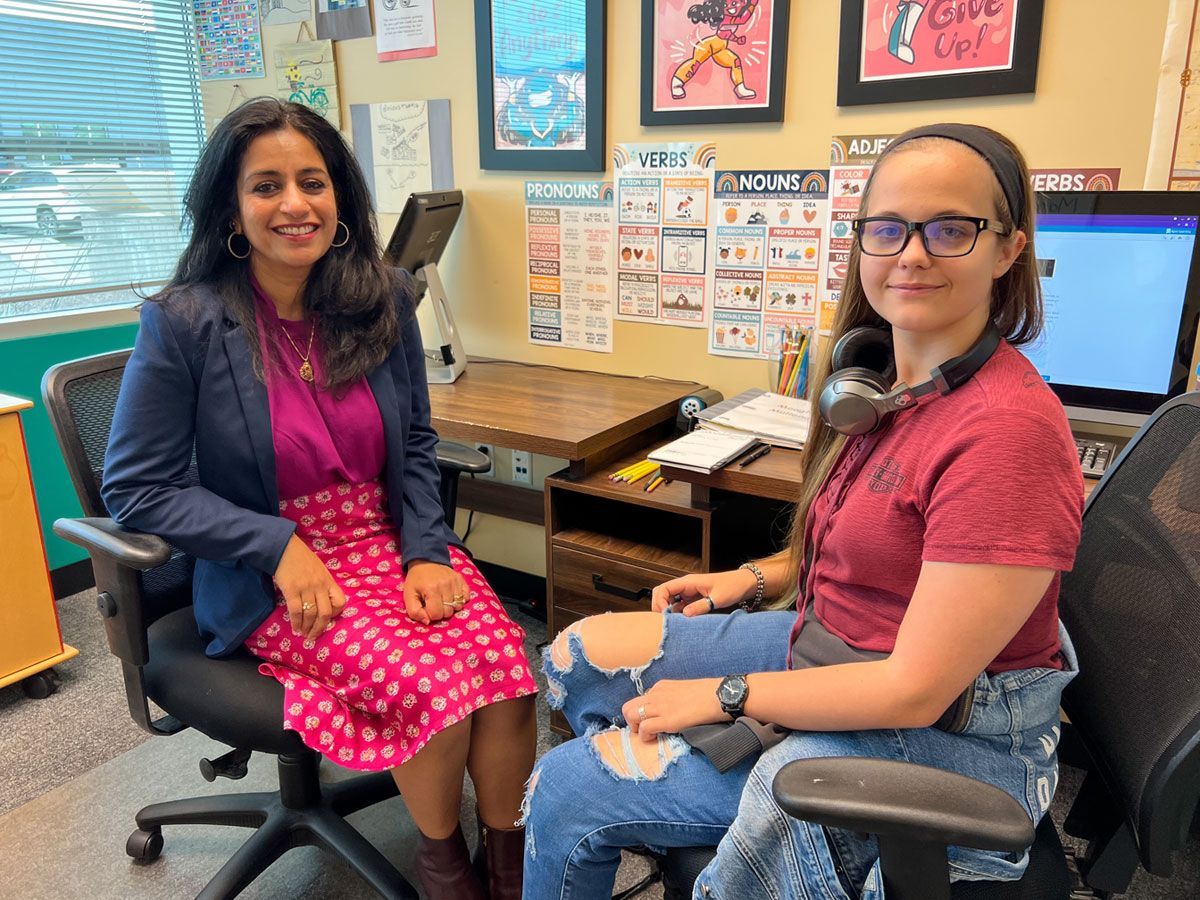
Jamie Bachmann is a former high school special
education teacher of over 20 years. He earned his
Bachelor’s Degree in Communication Management
from The University of Dayton, and his Master of Arts
in Teaching from National-Louis University. He is also
a lifelong writer, artist and musician. Jamie, his wife,
and their numerous rescued felines live in Chicago’s
North Shore.

More Blog Posts + News


student and teacher
March 16, 2026
Explore how to avoid the summer slide with Brightmont’s summer programs, designed to help students strengthen foundational skills, recover credits, or get ahead for the upcoming school year.
Student with teacher
March 11, 2026
Learn how sleep affects student success and how Brightmont Academy can help with flexible schedules.
Teacher and student
March 5, 2026
Summer learning loss threatens many students’ academic progress. Learn how one-to-one summer learning programs help students sustain momentum year-round.
By Rachel Pollock March 4, 2026
The Top Questions Families in Birmingham ask about Brightmont Academy
March 2, 2026
Brightmont Academy is part of a growing national conversation about how personalized education can better support student success.
Brightmont Academy Expands Chandler Campus to Meet Growing Student Demand
February 27, 2026
Brightmont Academy announces expansion for Chandler campus to continue supporting students in the area.
Brightmont  Academy opens new location in Tempe, AZ
February 26, 2026
Brightmont Academy, specializing in one-to-one instruction for 1st-12th grade students, announces its grand opening in Tempe, AZ.
#NoLimits
February 17, 2026
Illinois Private School Highlights One-to-One Instruction for Grades 1-12 St. Charles & Naperville, IL — Brightmont Academy, an accredited private school offering fully individualized, one-to-one instruction for students in grades 1–12, announces that Meredith Hale, Campus Director of the St. Charles campus, and Lindsay Morales, Campus Director of the Naperville campus, were recently featured guests on the #NoLimits podcast. The podcast is hosted by educator, advocate, and author Shelley Kenow and is rooted in the belief that no one can fully predict a person’s potential or future—and that opportunities should never be limited by labels or assumptions. Hale and Morales connected with Kenow at the Dynamics of Dyslexia conference in Illinois, where they discovered a shared passion for supporting neurodiverse learners and the families who advocate for them. “Meredith and I met Shelley at the conference and quickly connected around our mutual commitment to helping students access education that truly meets their needs,” said Morales. Kenow’s mission to spotlight individuals and organizations that help others reach their fullest potential closely aligns with Brightmont Academy’s educational philosophy. Brightmont partners with families to create individualized learning environments that remove barriers and empower students to thrive academically, socially, and emotionally. “We were honored to be guests on Shelley’s podcast,” Morales said. “Her work centers on helping students and families navigate—and ultimately break through—the limits society often places on them.” For both campus leaders, participating in the podcast reflects their shared commitment to advocacy, connection, and reimagining what education can look like for students who need a more personalized approach. “Being part of Shelley’s community allows us to share how Brightmont supports students in meaningful, individualized ways, and to contribute to a broader conversation about reimagining education for learners who need something different,” Morales added. The #NoLimits podcast is on Apple Podcasts, Spotify, Facebook, and YouTube. Brightmont Academy is located at 620 E Main St. in St. Charles and at 1528 Aurora Ave. in Naperville and is currently accepting enrollments. Families and professionals are invited to attend an Open House event on Thursday, February 19, 2026, between 9:00 AM to 3:00 PM. Brightmont Academy is an accredited private school that provides one-to-one instruction. One experienced teacher works with one student throughout every learning session. Customized full-time programs and individual courses are offered for grades 1-12. Students can also receive individualized tutoring for all 1-12 subjects, study skills, and test prep. Brightmont Academy has served thousands of students since 1999 and has 24 campuses in Arizona, Colorado, Florida, Georgia, Illinois, Michigan, Minnesota, North Carolina, and Washington. For more information call 1-888-521-0887 or visit: www.brightmontacademy.com . Watch our video: Brightmont Academy - The One-to-One Flexible school - 1st through 12th
By Tony Beals February 11, 2026
When we talk about learning differences, vision is often treated as one of the simplest variables to address. The solutions we reach for are familiar in recommending glasses, larger print, or a seat closer to the board. These supports can be helpful, but they are often built on an assumption that vision is primarily about clarity. In my work with neurodivergent and vision-challenged students at Brightmont Academy , I’ve learned that vision is rarely that simple. I’ve worked with learners who have Cortical Visual Impairment (CVI), neurological vision challenges, and progressive vision loss. One student I worked with began losing her sight in 10th grade and is now legally blind. What stood out most was not only how her vision changed, but how quickly expectations around her learning shifted alongside it. The challenge was never her ability. It was her access.  For many learners, vision is not just about what the eyes detect, but how the brain processes, organizes, and sustains visual information. When that distinction is misunderstood, even well-intentioned accommodations can easily miss the mark.
More Posts