“Brightmont gave my daughter
confidence and helped her love learning
again.”
– Parent of 8th grader
400 E. Main St. Barrington, IL 60010
1-888-521-0887
inquiry@brightmontacademy.com
Another school year is upon us and, as a veteran teacher with over 20 parent-teacher introduction nights under my belt, I recognize that one of the first questions parents tend to ask is, “How many students are in this class with my student?”

Just how important is class size to students’ educational success at a time in which academic budgets are tightening and class sizes seem to be maxed out? As it does in most educational concerns, the data appears to point to an answer of “that depends.”
According to a July 11, 2024, article by Graham Drake from a recent post on the website for the National Council on Teacher Quality , “Classes are getting smaller, but student achievement is not improving. More districts are setting class size limits, but exceeding those limits often lacks consequences and adhering to limits may not improve student achievement.”
There’s no sense in involving ourselves with the policy aspect of this conundrum, as we have no influence. The role of the typical parent is reactive to the school situation, rather than proactive unless one is on a school board. But, it seems a no-brainer: The fewer the students in a class, the more a teacher is able to focus on the learning of each student, therefore the education must be better. Not so fast, says a March, 8, 2024 article from Science Daily entitled. “Small class sizes not better for pupils' grades or resilience, says study.”
In the article, Professor Tao Jiang of Taizhou University is quoted as saying,
"Quality teachers who effectively used teaching methods and managed classroom discipline increased the odds that individuals became resilient students…
On the other hand, emphasizing the reduction of class sizes in schools may not benefit resilience. Smaller classes either had no relevance to resilience or were disadvantageous for resilience.”
So, what can be the takeaway from all of this overall? When class size and individual teacher excellence cannot be controlled, due to budgetary or staffing constraints, the key to student success and resilience relies on consistent, effective teaching delivery methods and classroom management.
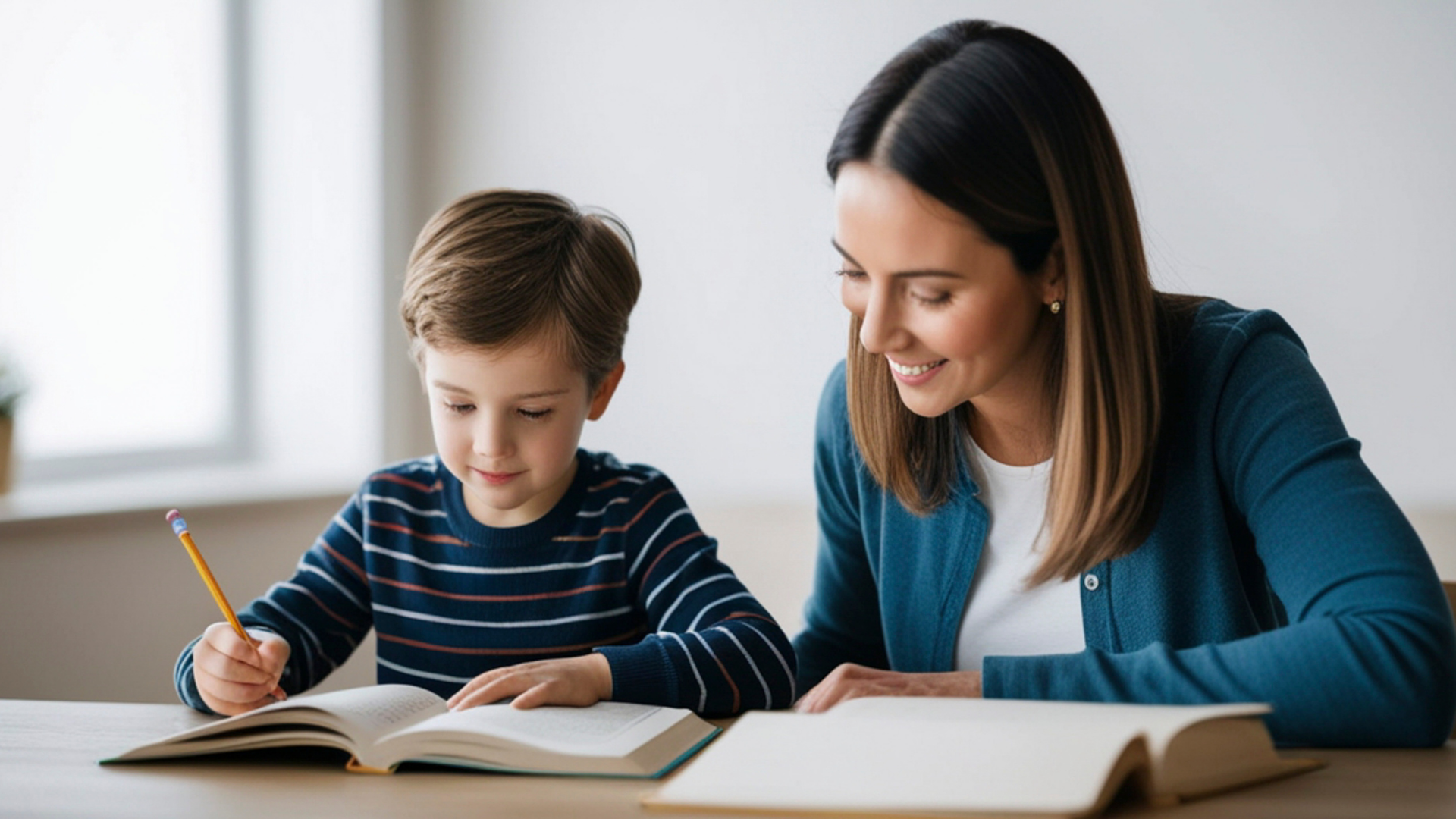
One newer solution to this quandary can be found at individualized online schools, such as the one for which I work, Brightmont Academy. At Brightmont, students select courses from a list of proprietary, online classes. While courses are facilitated by individual, qualified instructors who sit one-on-one with the students, the actual curricula are delivered within the courses themselves, individually, online via text, audio, video, and animation.
This system removes the class size question entirely, and virtually eliminates the need for classroom management or for reviews of “best practice” methods in teaching. The courses are designed in best practices methods, and the purpose of the teacher then becomes to facilitate progress and motivation in the completion of the class materials in a predetermined, timely manner.

Brightmont Academy not only emphasizes resilience in the classroom by gently pushing students to stay in step with the pre-established “Pacing Guide,” and allowing for 2 to 3 re-takes of cumulative assessments, but it also supports student choice by allowing students to select lessons and units out of order, so long as they end up completing them by the course’s end.
In the typical educational milieu parents cannot be assured of ideal class sizes, or of optimized teaching methods and course design. However new educational opportunities, such as those provided by Brightmont Academy, may just be effectively eliminating the educational middle-man, and perfecting the educational process.

Jamie Bachmann is a former high school special education teacher of over 20 years. He earned his Bachelor’s Degree in Communication Management from The University of Dayton, and his Master of Arts in Teaching from National-Louis University. He is also a lifelong writer, artist and musician. Jamie, his wife, and their numerous rescued felines live in Chicago’s North Shore.




“Brightmont gave my daughter
confidence and helped her love learning
again.”
– Parent of 8th grader

92% of Brightmont graduates are
accepted into their first-choice college

(888) 521-0887

To book a tour, talk to a campus director, or get a free consultation, please fill out the form.

©2026 Brightmont Academy®
