Barbara Farland is an English & Social Studies instructor at Brightmont Academy in Plymouth, Minn. She holds a master’s degree in Business Communication from the University of St. Thomas and, prior to pursuing a second career in education, worked as an award-winning public relations and communications professional in both the corporate and nonprofit sectors. As a “storyteller by nature and teacher at heart,” Barbara continues to contribute to various anthologies, among other writing projects.
Relationships & ADHD: A Matter of Mutual Grace
Barb Farland • January 28, 2026

I write this post not long after talking with a frustrated friend. Last night, she received what has become a typical phone call from her husband. Such conversations often begin with his saying: “I forgot…” “Can you please bring me…?” “Oh, I didn’t know that was happening today…” Last night, he needed a ride to a restaurant where he left his jacket and keys. My friend literally put dinner on the backburner, got in her car, and did her due diligence as a gracious spouse.
My friend’s husband has never been assessed for any kind of neurodiversity, but many signs point to his having ADHD, the prominently inattentive version. Cleveland Clinic lists these symptoms for it: lack of focus, prone to distractions, difficulty with details, and difficulty with finishing projects. Check, check, check, and check! Whether her husband has ADHD or not, you can still imagine the effect his tendencies have on their day-to-day life together.

And that’s just it… People with ADHD don’t live in a vacuum. They have families, they enjoy friendships, they might get married and have children of their own someday, etc. However, I think the key to fulfilling, lasting, and supportive relationships isn’t about a fixation on our diagnoses, disorders, compulsions, etc. It’s not about labeling someone with ADHD as “difficult” or “frustrating” or “needy,” as if they’re always a “problem.” Instead, it’s healthy for everyone to maintain a posture of mutual grace. After all, relationships—whether involving someone with ADHD or not—are a two-way street.
Admitting Negative Perceptions
The first step in restoring and nurturing relationships is honesty. What are our misunderstandings? How are we contributing to conflict or strain? How are we perceiving the thoughts and actions of others?
In the context of personal relationships, those with ADHD might be perceived as uncaring. Their difficulties in being able to track a conversation or to comprehend facts and feelings can really frustrate and hurt their friends and family members.
Those with ADHD might also be pegged as irresponsible given all of the tasks left unfinished, objects misplaced or lost, etc. Oftentimes, their family members and friends feel compelled to do more than their share and pick up the pieces, so to speak. In the end, it’s not hard to imagine how resentment could rear its ugly head, and cause a lot of strain and conflict from day to day.

But, as mentioned above, it’s a two-way street. People with ADHD may perceive those around them with just as much annoyance and hard feelings. This is especially the case if ADHD is seen as a “problem,” and the person with it is labeled as such. Of course, this is not fair, not to mention kind. Couple this with feeling nagged and constantly criticized, and those with ADHD are bound to perceive their loved ones with some animosity.
Managing Relationships Well
Relational struggles are real—but there’s always hope. Melinda Smith, a psychologist and executive director of Helpguide.org, offers some practical relationship tips for those with ADHD, as well as their families and friends.
First, Smith advises those with ADHD to:
- Recognize that your diagnosis and all that comes with it have an affect on relationships. Denying its impact only creates a more difficult climate to grow and nurture relationships.
- Seek professional help in addressing the symptoms that may be contributing to relational conflict and stress. Take advantage of available resources versus going it alone and relying on your own resolve.
- Establish rules for dealing with conflict, including taking breaks to cool off and collect yourselves. Respectful conversations produce much better results than heated arguments.
- Refuse to live enabled, and show your ability to care for others just as they care for you. In other words, be thoughtful.
At the same time, those who know and love people with ADHD need to meet them halfway. Relationships work best when friends and family:
- Subscribe to the mindset that ADHD is not a deficit, just a difference. Hold your own thoughts and actions in check accordingly.
- Show genuine gratitude and offer generous encouragement. The Golden Rule goes a long way with all kinds of people.
- Resist attaching negative and errant reasoning to their inattentiveness (i.e., if they don’t listen, they don’t care). Assume they have good intentions even when it may be hard for them to follow through.
All relationships come with their challenges. If I’m honest, my temper, impatience, pride, etc., have played out poorly in my own relationships—but I also have the ability to make wise choices that honor the humanity of those around me. Whether ADHD is a factor or not, we can trust that relationships are worth the work.
Resources:
https://www.helpguide.org/mental-health/adhd/adult-adhd-and-relationships
https://my.clevelandclinic.org/health/diseases/4784-attention-deficithyperactivity-disorder-adhd

More Blog Posts, News & Webinars

What are reading intervention programs? Discover the right support for your student, from traditional tutoring to personalized one-to-one instruction.
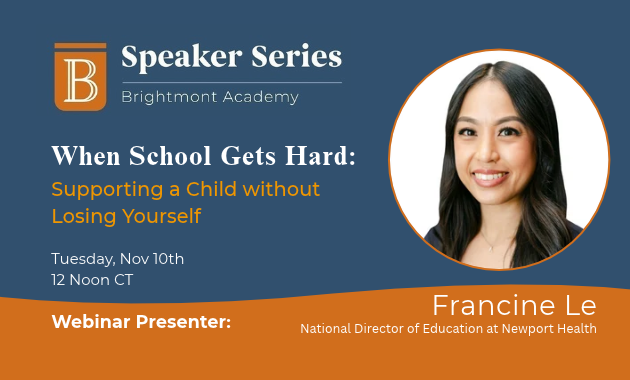
Learn how to support a struggling student with strategies to reduce stress, set healthy boundaries, and partner with your child’s school.

Learn how an elementary reading intervention program helps young students build foundational literacy skills. Discover the top strategies in this guide.
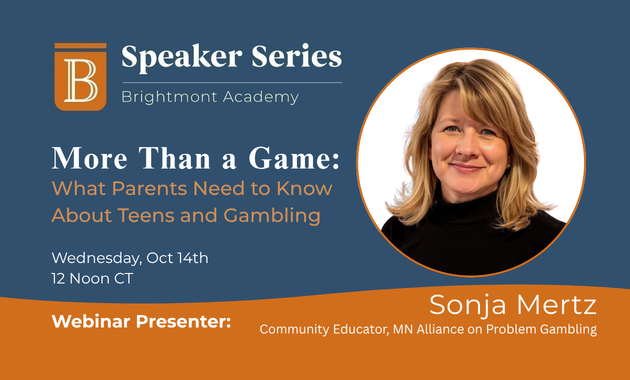
Hear from Sonja Mertz to better understand gambling and gaming trends, and how they can affect youth.

Navigating high school credit recovery and earning extra credits can be challenging. Learn how personalized learning helps students stay on track and succeed.

Looking for effective teaching strategies for dyslexia? Discover how one-to-one instruction, multisensory learning, and Orton-Gillingham methods can help.

Discover the best ADHD teaching strategies educators can use to help students maintain focus, control hyperactive tendencies, and strengthen impulse control.

Learn how flexible accredited high school programs for athletes help students balance their academic goals with their passion for their extracurricular sport.
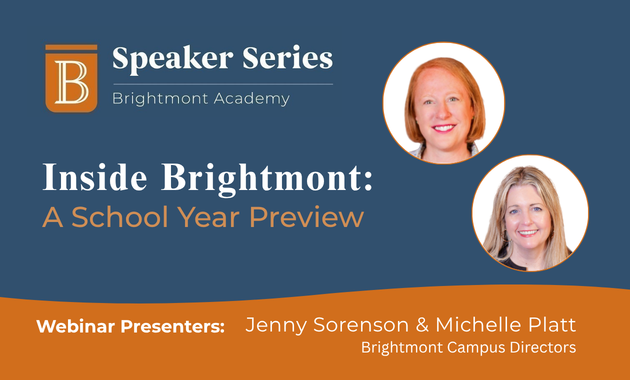
Get a closer look at one-to-one instruction and how personalized learning can be tailored to different students, schedules, and goals.