“Brightmont gave my daughter
confidence and helped her love learning
again.”
– Parent of 8th grader
400 E. Main St. Barrington, IL 60010
1-888-521-0887
inquiry@brightmontacademy.com
If your child has dyslexia, dysgraphia, ADHD, or another condition that impacts their learning, you already know that finding the right school for learning differences that accommodates your child’s unique profile can be a struggle.
You need a learning environment that both
acknowledges students’ learning needs and provides the academic rigor to push them to reach their full potential. In this guide, we’ll highlight the attributes that make a school the right choice for your student with learning differences.
When looking for the right school for learning differences, you must consider how the curriculum supports students' needs. For example, you might ask whether the school offers adaptive digital platforms that reduce the burden of material management.
You should also inquire whether teachers have received training in adaptive curriculum so that they are prepared to adjust on the fly. This flexibility will ensure your child’s unique learning style will be supported and nurtured.
A low teacher-to-student ratio reduces distractions, allowing classrooms to become quiet spaces for students. With fewer disruptions from others, students with attention deficits can focus more effectively.
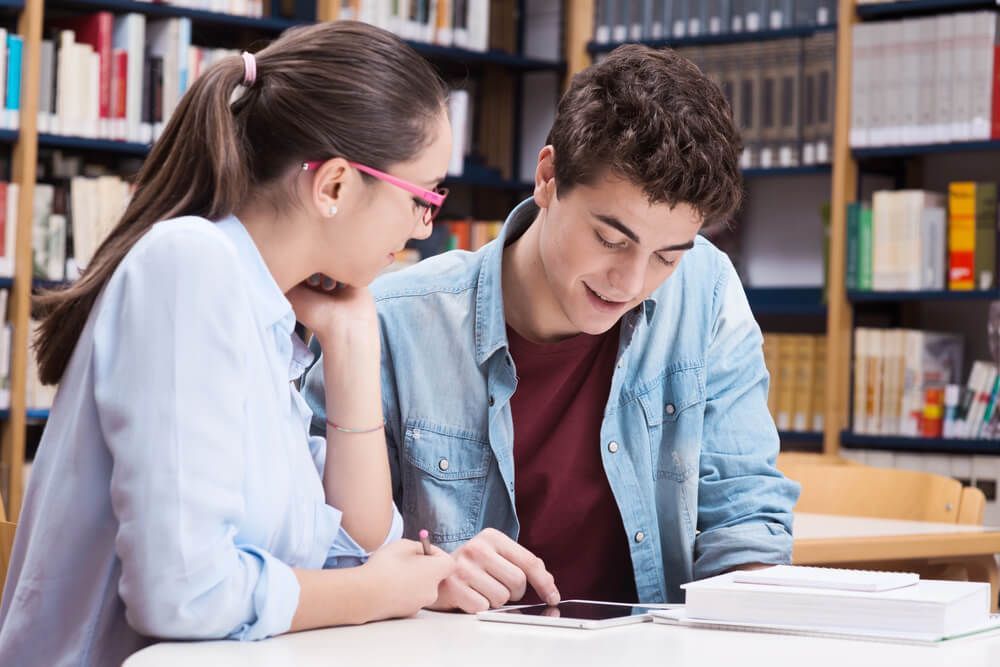
Research shows that, even in traditional schools, neurodivergent students prefer sensory-friendly spaces like the library: “The separate, more contained and manageable nature of the space is highlighted, as well as the more relaxed furnishings and homelike decor. The ‘quietness’ of the space is related to libraries typically being quiet places, but also…due to the presence of soft furnishings, carpets and books acting to dampen the sound. [Students] discuss the library as a social space, where they can ‘chat with friends’, in a more conducive environment than an invasive corridor or clattering classroom.”
In
alternative schools for learning differences, like one-to-one environments, every classroom can be like the library: calm, focused, and comfortable. When students feel at ease, they feel motivated to come back to school day after day.
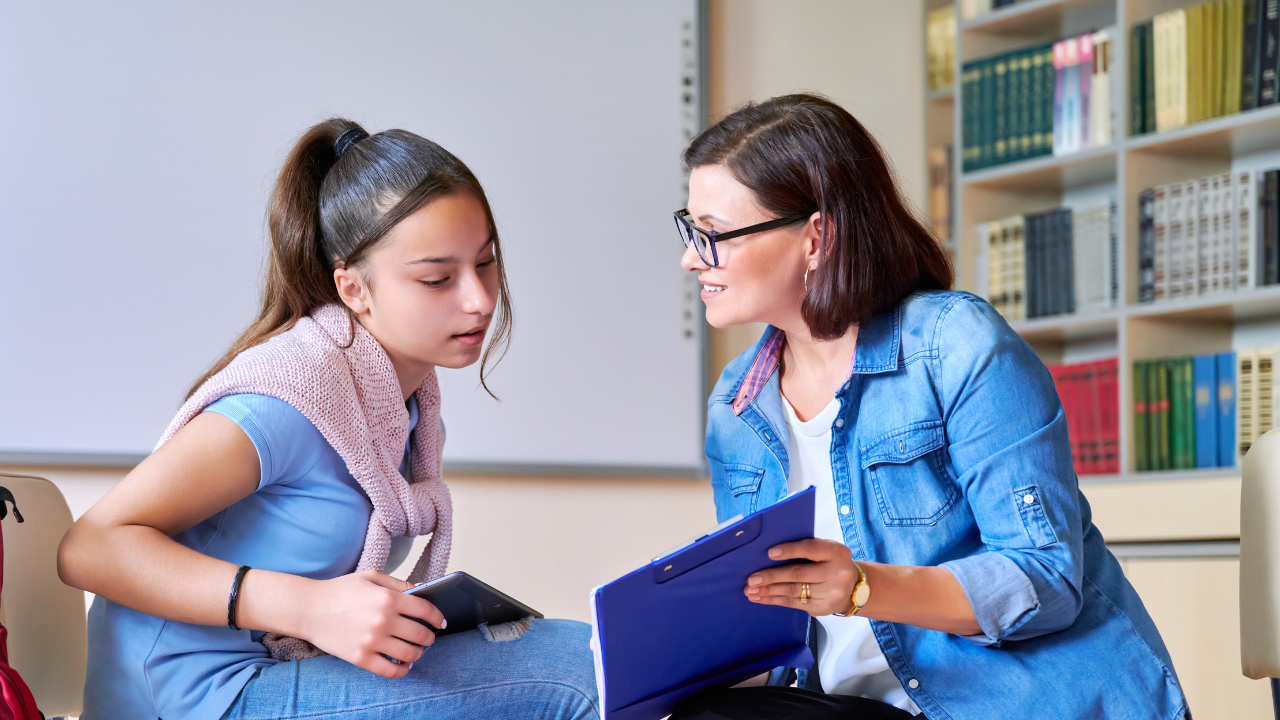
Personalized learning schools are ideal for students with learning differences as they provide the one-on-one attention that students need to thrive. These environments allow for consistent, individualized feedback and a highly tailored curriculum.
Students feel respected when they are heard in a warm and supportive environment. According to
recent research, “self-directed learning may allow the individual to focus their search efforts on information they do not yet know, prompt them to uncover information that would not be noticed under more passive learning conditions, or enable them to adjust the pacing of acquiring new information to match their own attentional or motivational state.” Offering students the opportunity to ask questions and share their particular interests in a personalized environment fosters a love for learning.
Students with learning differences should receive personal attention not only during class but also in the creation of the syllabus. To choose the right school for learning differences, ask how the school takes individual students’ learning styles into account while creating the course curriculum.
To prevent
disengagement, schools for learning differences should offer multiple options for completing assignments, such as:
Many students with learning differences struggle with executive functioning, which can lead to missed assignments or late submissions that negatively impact their grades. For twice-exceptional students, these issues can be especially frustrating.
However, growth is possible with the right
executive functioning support. The right school for learning differences will model expectations and provide encouragement consistently, gradually building students’ skills over time.
To find the best learning environment for your child, you need to ensure the school has proven its ability to help students with learning differences succeed academically, socially, and emotionally.
For example, 72% of students at
Brightmont Academy say their confidence has increased since switching to our one-to-one model, and 90% say they are more successful in school overall. At Brightmont, every classroom has only one teacher and one student, meaning class moves at your child’s precise pace and the curriculum is tailored to their needs.
Sending your child to a school for learning differences like Brightmont Academy lets you enjoy several benefits, including:
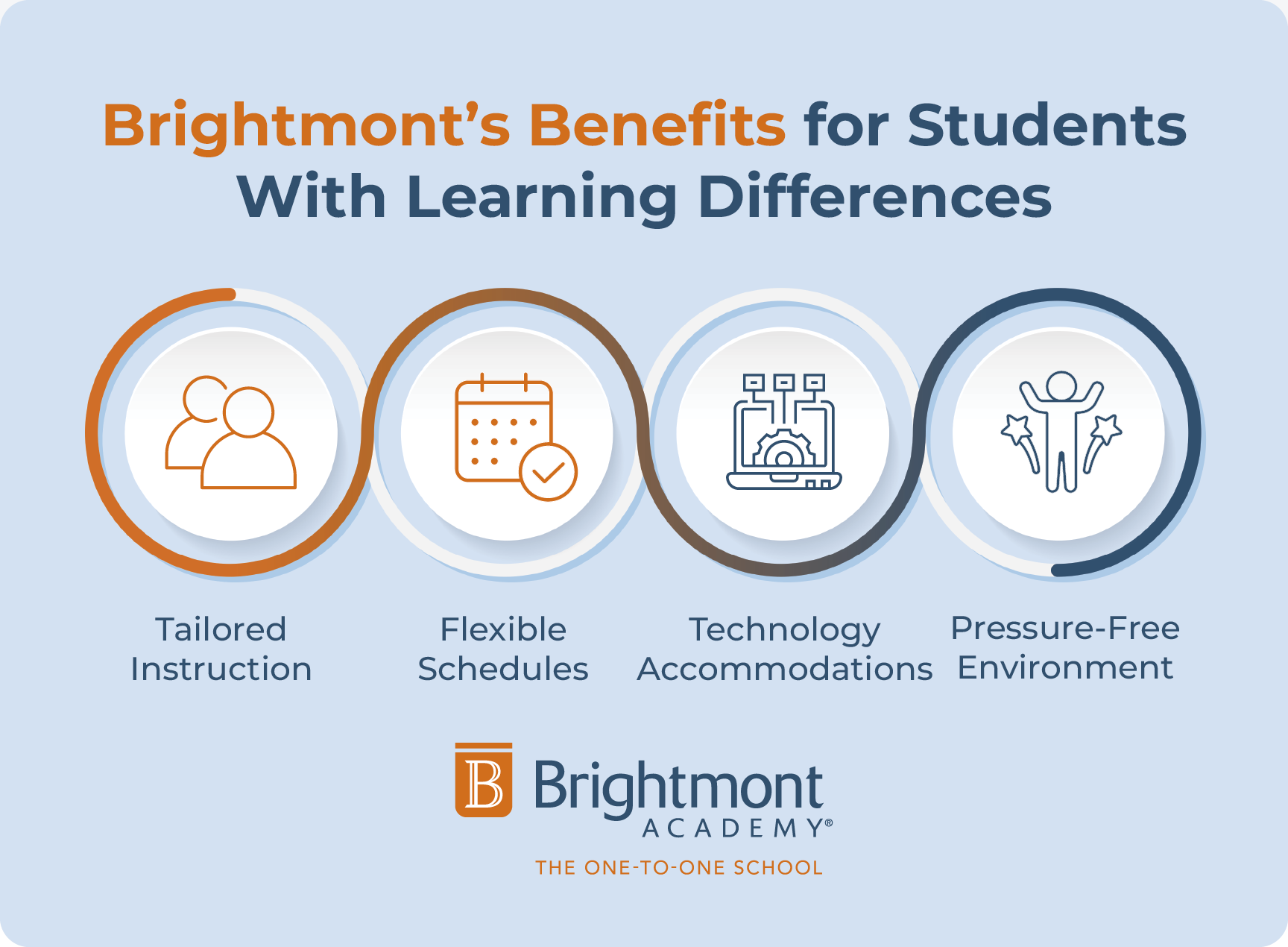
Our
campuses across the country have helped students like yours rediscover their love for learning and achieve more academically.
While it’s generally best to start looking for a private school 12–18 months before your planned enrollment date, some schools (like Brightmont!) offer rolling admissions so that you can make the switch to a better educational environment as soon as possible. Investing in the best school for learning differences will set your child up for success personally and academically.

Rachel Pollock is an English and Social Studies Instructor at Brightmont Academy, freelance writer, and Chapter Advisor for Future Business Leaders of America. She holds a master’s degree in Psychology from American Military University and graduated with honors for research in social-emotional learning (SEL) in K–12 schools. With over six years classroom experience working with gifted and twice-exceptional (2E) students, Rachel brings professional insight and personal insight as a parent of gifted teens. She has elevated student voice through recognition in the Scholastic Art & Writing Awards reflecting her commitment to creativity, academic rigor, and authentic expression. She is dedicated to supporting learners, families, and educators in a rapidly changing world.
Disclaimer: I am not a licensed clinical therapist and do not provide mental health counseling or therapy services. The information shared here is intended for educational and informational purposes only and should not be interpreted as psychological diagnosis, treatment, or medical advice. For personal mental health support, please consult a licensed mental health professional in your area.


“Brightmont gave my daughter
confidence and helped her love learning
again.”
– Parent of 8th grader

92% of Brightmont graduates are
accepted into their first-choice college

(888) 521-0887
To book a tour, talk to a campus director, or get a free consultation, please fill out the form.

©2026 Brightmont Academy®
