“Brightmont gave my daughter
confidence and helped her love learning
again.”
– Parent of 8th grader
400 E. Main St. Barrington, IL 60010
1-888-521-0887
inquiry@brightmontacademy.com
In an August 2024 interview with People magazine, Minnesota governor and vice presidential candidate Tim Walz shared how his son, Gus, has a “secret power.” That is how the Walz family has come to describe Gus’s diagnosis with multiple learning challenges, including ADHD.
The Walzes are not alone in seeing neurodiversity’s benefits. Many families, along with teaching and mental health professionals, are now commonly referring to these benefits as “superpowers.” In fact, neurodiversity often proves itself not only advantageous to those directly affected but also necessary to the workings of the world.

So, what are the positive qualities attributed to those with ADHD or other neurodivergent diagnoses? And what special impact do such individuals make on society? There is indeed ample evidence showing we need people who think and behave differently than most!
The contrast is clear in how neurodivergent people are wired and how they work. This is precisely why our society has responded in recent years with so many new products, programs, and organizations to serve this part of the population. From fidgets to sensory-friendly events to unique educational offerings, we’ve recognized this segment of our population has certain needs.

It is definitely important that we address such needs but, more than that, it’s crucial we do not frame neurodiversity in general as a setback. Instead, there are some common traits—some superpowers—that give neurodivergent people an edge:
Witnessing someone’s superpowers in action can be really fascinating. But our society can go a step further by not only marveling at their abilities, but also welcoming their special contributions to life as we know it. How can the superpowers of neurodiversity be applied in meaningful, world-changing ways? On top of that, are there careers that appeal to the neurodiverse population?

The Center for Strategic and International Studies reveals one area of commerce in particular that needs people with superpowers: emerging technologies, including artificial intelligence (AI). An article published in 2024 reads:
"…cybersecurity and tech innovation are about problem-solving and building solutions. To do both effectively, diversity of thinking should be engaged by including individuals in the workforce who look at problems from various perspectives based on their backgrounds and unique aptitudes…
Experience developing reliable AI models for critical national security missions shows how neurodiversity can lead to less biased data and that neurodiverse individuals excel at bias identification and elimination. Engaging neurodiverse individuals in AI development is imperative to create workforces that support and prioritize diversity of thinking."
But AI and other technological careers aren’t the only fitting options for the neurodiverse community. ADDitude, a leading online resource on ADHD and other learning differences, shares that the healthcare, education, and government/public service industries not only benefit from hiring neurodiverse people, but also offer opportunities that appeal to job seekers. Careers in these areas are often characterized by a lot of variety, movement, independence, and creative problem-solving—exactly what jibes well with neurodiverse individuals.
Organizations such as HP, Kroger, Wells Fargo, and CVS Health have embraced the importance of assembling workforces that include diverse thinkers. In that spirit, these organizations and many others have joined together in the Neurodiversity @ Work Employer Roundtable, a partnership that not only touts superpowers, but also provides a job search service for neurodiverse individuals. It’s a win-win as employers seek to hire the talent they need and as candidates find jobs that speak to their unique giftings.
In other words, neurodiversity is gradually swinging from a term associated with special needs to one of necessity and opportunity. Neurodivergent people might not be able to run "faster than a speeding bullet” or “leap tall buildings in a single bound”—obviously, no one can—but all of society benefits from their being part of and contributing to our world.
Source:
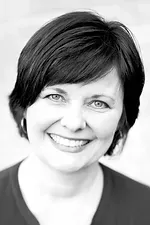
Barbara Farland is an English & Social Studies instructor at Brightmont Academy in Plymouth, Minn. She holds a master’s degree in Business Communication from the University of St. Thomas and, prior to pursuing a second career in education, worked as an award-winning public relations and communications professional in both the corporate and nonprofit sectors. As a “storyteller by nature and teacher at heart,” Barbara continues to contribute to various anthologies, among other writing projects.





“Brightmont gave my daughter
confidence and helped her love learning
again.”
– Parent of 8th grader

92% of Brightmont graduates are
accepted into their first-choice college

(888) 521-0887
To book a tour, talk to a campus director, or get a free consultation, please fill out the form.

©2026 Brightmont Academy®
