Tony Beals is the VP of Admissions and Enrollment Solutions at Brightmont Academy. Tony has extensive experience as both a parent and an educator working with students from an array of backgrounds including those with anxiety, depression, ASD, ADHD, and ODD. He has been in the education industry for over 25 years and has been involved as a teacher, consultant, manager, and leader.
The Perfect Storm: How Neurodiversity Reshapes Family Life
Tony Beals • January 21, 2026
When a child is diagnosed as 𝗻𝗲𝘂𝗿𝗼𝗱𝗶𝘃𝗲𝗿𝗴𝗲𝗻𝘁—autistic, ADHD, sensory processing disorder, dyslexic (or more likely a combination of those)—it doesn’t just impact that child. It 𝗿𝗲𝗰𝗮𝗹𝗶𝗯𝗿𝗮𝘁𝗲𝘀 𝘁𝗵𝗲 𝗲𝗻𝘁𝗶𝗿𝗲 𝗳𝗮𝗺𝗶𝗹𝘆 𝘀𝘆𝘀𝘁𝗲𝗺.
In my work with families, I hear the same words repeated in different forms: 𝗘𝘅𝗵𝗮𝘂𝘀𝘁𝗲𝗱. 𝗢𝘃𝗲𝗿𝘄𝗵𝗲𝗹𝗺𝗲𝗱. 𝗗𝗶𝘀𝗰𝗼𝗻𝗻𝗲𝗰𝘁𝗲𝗱. 𝗔𝗹𝗼𝗻𝗲. 𝗖𝗼𝗻𝗳𝘂𝘀𝗲𝗱. 𝗙𝗿𝘂𝘀𝘁𝗿𝗮𝘁𝗲𝗱. And under all of it—𝗹𝗼𝘃𝗲. Fierce, protective love. But that love is also 𝘁𝗶𝗿𝗲𝗱 𝗮𝗻𝗱 𝘀𝘁𝗿𝗲𝘁𝗰𝗵𝗲𝗱 𝘁𝗵𝗶𝗻.
Neurodiversity can be 𝗯𝗲𝗮𝘂𝘁𝗶𝗳𝘂𝗹. It can bring out 𝗱𝗲𝗽𝘁𝗵, 𝗲𝗺𝗽𝗮𝘁𝗵𝘆, 𝗮𝗻𝗱 𝗰𝗿𝗲𝗮𝘁𝗶𝘃𝗶𝘁𝘆. But for many families, it also brings 𝗱𝗲𝗲𝗽 𝘀𝘁𝗿𝗲𝘀𝘀, 𝗰𝗼𝗻𝗳𝗹𝗶𝗰𝘁𝗶𝗻𝗴 𝗽𝗮𝗿𝗲𝗻𝘁𝗶𝗻𝗴 𝗽𝗵𝗶𝗹𝗼𝘀𝗼𝗽𝗵𝗶𝗲𝘀, 𝗶𝘀𝗼𝗹𝗮𝘁𝗶𝗼𝗻, 𝗮𝗻𝗱 𝗲𝗺𝗼𝘁𝗶𝗼𝗻𝗮𝗹 𝗯𝘂𝗿𝗻𝗼𝘂𝘁.

Let’s talk about the truth many families live—but rarely get to say out loud.
𝗔 𝗠𝗼𝗺𝗲𝗻𝘁 𝗜’𝗹𝗹 𝗡𝗲𝘃𝗲𝗿 𝗙𝗼𝗿𝗴𝗲𝘁
I remember talking with a mother—kind, articulate, deeply committed to her children. Her son had recently been diagnosed with ADHD, anxiety disorder, and sensory processing disorder. She was doing 𝗲𝘃𝗲𝗿𝘆𝘁𝗵𝗶𝗻𝗴 𝗿𝗶𝗴𝗵𝘁. Reading books. Advocating at school. Researching therapies. Trying her best.
But her voice cracked when she said: "We used to laugh more. Now, everything feels like a battle. I miss us."
That moment stuck with me. Because I’ve heard versions of it again and again. This article is for 𝗵𝗲𝗿. And for 𝗲𝘃𝗲𝗿𝘆 𝗳𝗮𝗺𝗶𝗹𝘆 who knows exactly what she means.
𝗔 𝗙𝗮𝗺𝗶𝗹𝘆 𝗗𝗶𝘃𝗶𝗱𝗲𝗱: 𝗖𝗼𝗻𝗳𝗹𝗶𝗰𝘁𝗶𝗻𝗴 𝗣𝗮𝗿𝗲𝗻𝘁𝗶𝗻𝗴 𝗔𝗽𝗽𝗿𝗼𝗮𝗰𝗵𝗲𝘀
When one child has more visible needs, parents often respond in very different ways.
One parent may try to help by pushing for structure and responsibility, believing it will prepare their child for the real world. Another parent might focus on adapting, accepting, and protecting their child from a world that doesn’t always understand them—“𝗪𝗮𝗹𝗸𝗶𝗻𝗴 𝗼𝗻 𝗘𝗴𝗴𝘀𝗵𝗲𝗹𝗹𝘀.”
Neither approach is wrong. But they do often conflict.
One parent may feel like the other is too harsh. The other may feel like the child is being “enabled.” And both may feel 𝗮𝗹𝗼𝗻𝗲 𝗶𝗻 𝘁𝗵𝗲𝗶𝗿 𝗲𝗳𝗳𝗼𝗿𝘁𝘀.
Over time, this dynamic can strain communication, trust, and emotional connection. They stop feeling like a team. They stop speaking in a unified voice. They both want their perspectives validated—and neither receives it.

𝗦𝗶𝗯𝗹𝗶𝗻𝗴𝘀 𝗮𝗻𝗱 𝘁𝗵𝗲 𝗤𝘂𝗲𝘀𝘁𝗶𝗼𝗻 𝗼𝗳 𝗙𝗮𝗶𝗿𝗻𝗲𝘀𝘀
Siblings notice. They see who gets more attention, more flexibility, more exceptions to the rules.
Even when they love their neurodivergent sibling, they may feel unseen, held to a different standard, or burdened with adult-like responsibilities.
Some quietly withdraw. Others act out. Some try to become “the good kid” and carry invisible guilt for not needing as much help.
Parents often juggle their children’s needs the best they can—but emotionally depleted, they may not fully see the long-term impact until tension starts to show. Then the guilt adds another layer of complexity.
𝗔𝗳𝘁𝗲𝗿 𝗦𝗰𝗵𝗼𝗼𝗹: 𝗪𝗵𝗲𝗻 𝘁𝗵𝗲 𝗥𝗲𝗮𝗹 𝗦𝘁𝗿𝗲𝘀𝘀 𝗕𝗲𝗴𝗶𝗻𝘀
For many neurodivergent children, the school day is exhausting. By the time they get home, they’re out of internal resources—batteries low.
That’s often when meltdowns, shutdowns, or explosive behavior really begin.
A study in Family Process found that family conflict significantly increases after school hours in homes with children who are autistic and/or have ADHD.
Evenings are often the most difficult part of the day:
- Parents are tired from work.
- Children are overstimulated and dysregulated.
- Siblings are seeking attention or retreating from the chaos.

It becomes a daily cycle—a time when everyone most needs connection, but no one has the energy to offer it.
𝗧𝗵𝗲 𝗘𝗺𝗼𝘁𝗶𝗼𝗻𝗮𝗹 𝗖𝗼𝘀𝘁 𝗜𝘀 𝗥𝗲𝗮𝗹—𝗔𝗻𝗱 𝗠𝗲𝗮𝘀𝘂𝗿𝗮𝗯𝗹𝗲
Behind closed doors, many parents are holding in a quiet kind of grief: For the ease they imagined. For the peace they’ve lost. For the disconnection that’s settled into their relationships.
And the data backs it up:
- Nearly 50% of mothers of autistic children report suicidal thoughts during their child’s early years.
- Parents of neurodivergent children experience significantly higher rates of burnout, anxiety, social isolation, and depression.
- Divorce rates among parents of autistic children are markedly higher, especially as children grow older.
(Sources: Hartley et al., 2010; University of Nottingham, 2018; Bitsika & Sharpley, 2004)
𝗧𝗵𝗶𝘀 𝗶𝘀 𝗻𝗼𝘁 𝗮 𝗽𝗮𝗿𝗲𝗻𝘁𝗶𝗻𝗴 𝗳𝗮𝗶𝗹𝘂𝗿𝗲. This is the result of trying to parent in a system that offers too little support for families living with complex, daily realities.
𝗪𝗵𝗮𝘁 𝗛𝗲𝗹𝗽𝘀 𝗙𝗮𝗺𝗶𝗹𝗶𝗲𝘀 𝗥𝗲𝗰𝗼𝗻𝗻𝗲𝗰𝘁
There’s no magic fix—but small shifts can begin to repair what chronic stress has fractured:
- 𝗢𝗽𝗲𝗻 𝗰𝗼𝗺𝗺𝘂𝗻𝗶𝗰𝗮𝘁𝗶𝗼𝗻 between parents, even when disagreement exists.
- 𝗜𝗻𝘁𝗲𝗻𝘁𝗶𝗼𝗻𝗮𝗹 𝘀𝗽𝗮𝗰𝗲 𝗳𝗼𝗿 𝘀𝗶𝗯𝗹𝗶𝗻𝗴𝘀, where their needs and emotions are acknowledged.
- 𝗦𝗲𝗹𝗳-𝗿𝗲𝗽𝗹𝗲𝗻𝗶𝘀𝗵𝗺𝗲𝗻𝘁 for parents—not as a luxury, but as an emotional necessity.
- 𝗖𝗼𝗺𝗺𝘂𝗻𝗶𝘁𝘆, even if it’s just one person who listens and says, “I see you.”
Families need 𝗰𝗼𝗺𝗽𝗮𝘀𝘀𝗶𝗼𝗻, 𝗻𝗼𝘁 𝗰𝗿𝗶𝘁𝗶𝗰𝗶𝘀𝗺. Permission to say, “This is hard,” without shame. And above all, they need to know they’re 𝗻𝗼𝘁 𝗮𝗹𝗼𝗻𝗲.
𝗪𝗵𝘆 𝗜𝗻𝗱𝗶𝘃𝗶𝗱𝘂𝗮𝗹𝗶𝘇𝗲𝗱 𝗘𝗱𝘂𝗰𝗮𝘁𝗶𝗼𝗻 𝗠𝗮𝘁𝘁𝗲𝗿𝘀
This is where personalized, responsive education becomes a turning point—not just for the child, but for the entire family.
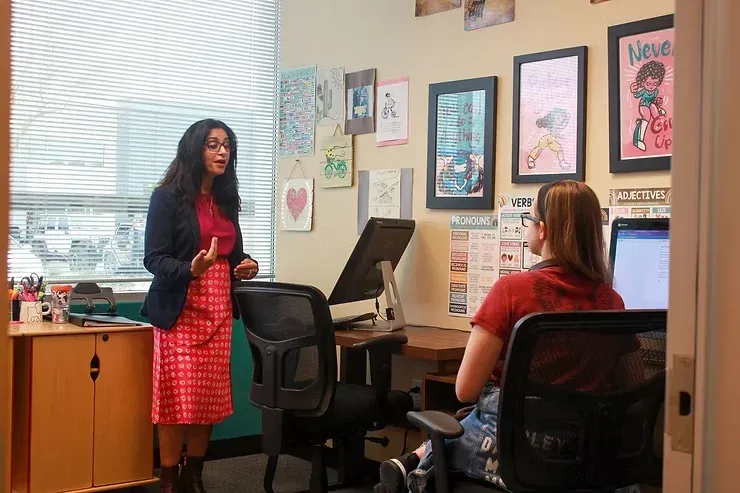
When a neurodivergent child’s needs are met with flexibility, creativity, and understanding at school, the ripple effect is real:
- Meltdowns decrease.
- Emotional regulation improves.
- Families spend less time in crisis—and more time reconnecting.
I’ve had parents message me with words I never forget:
“Thank you for giving us our child back.” “We finally feel like a family again.” “When he comes home, he is happy and relaxed and I don’t know if I have ever described him after a day at school.”
This is the impact of truly seeing a child for who they are—and building a system that meets them there.
Thanks for reading 𝗧𝗮𝗯𝗹𝗲 𝗧𝗮𝗹𝗸𝘀 𝘄𝗶𝘁𝗵 𝗧𝗼𝗻𝘆 . This article reflects my original writing and lived experience. Feel free to share the link or repost, but please don’t republish or copy the content without permission. © 2025 Tony Beals. All rights reserved.
Written by Tony Beals, VP at Brightmont Academy and author of the “Table Topics with Tony” newsletter and the upcoming book, The Education Paradox.© 2025 Tony Beals

More Blog Posts, News & Webinars
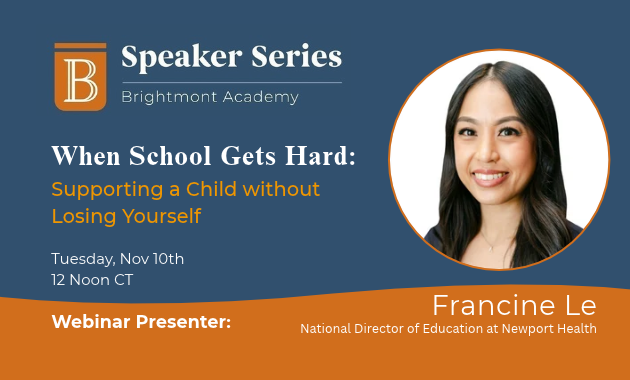
Learn how to support a struggling student with strategies to reduce stress, set healthy boundaries, and partner with your child’s school.

Learn how an elementary reading intervention program helps young students build foundational literacy skills. Discover the top strategies in this guide.
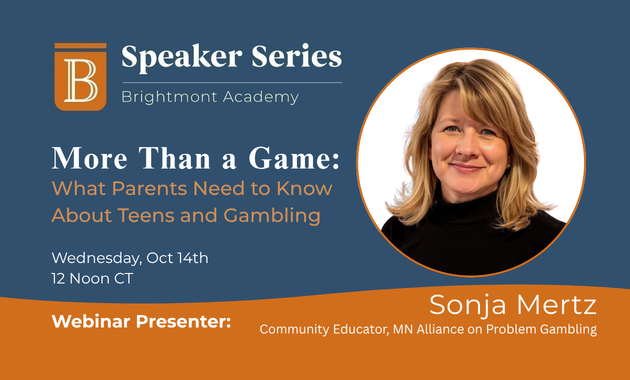
Hear from Sonja Mertz to better understand gambling and gaming trends, and how they can affect youth.

Navigating high school credit recovery and earning extra credits can be challenging. Learn how personalized learning helps students stay on track and succeed.

Looking for effective teaching strategies for dyslexia? Discover how one-to-one instruction, multisensory learning, and Orton-Gillingham methods can help.

Discover the best ADHD teaching strategies educators can use to help students maintain focus, control hyperactive tendencies, and strengthen impulse control.

Learn how flexible accredited high school programs for athletes help students balance their academic goals with their passion for their extracurricular sport.
Get a closer look at one-to-one instruction and how personalized learning can be tailored to different students, schedules, and goals.

Tutoring for ADHD goes beyond basic review to accommodate unique learning needs. Discover how personalized instruction and executive functioning support help.